Why Your Legs Cramp at Night — And How to Stop It From Happening
Waking up suddenly with a sharp, tightening pain in your calf is not just uncomfortable — it can be intense enough to make you jump out of bed. Nighttime leg cramps, also known as nocturnal leg cramps, are extremely common. They often affect the calf muscles but can also involve the feet or thighs.
While occasional cramps are usually harmless, frequent episodes may signal underlying issues. Let’s break down what causes them — and more importantly — how to prevent them.
What Happens During a Night Leg Cramp?


A leg cramp occurs when a muscle suddenly contracts involuntarily and cannot relax. This contraction can last from a few seconds to several minutes.
You may experience:
-
Sudden sharp pain
-
Visible muscle tightening
-
Hard knot in the calf
-
Residual soreness the next day
Night cramps typically happen during rest, especially while sleeping.
Common Causes of Nighttime Leg Cramps
Understanding the cause is key to prevention.
1. Dehydration
Not drinking enough fluids can disrupt the balance of electrolytes in your body, including sodium, potassium, calcium, and magnesium — all essential for proper muscle function.
Even mild dehydration can make muscles more prone to spasms.
2. Electrolyte Imbalance
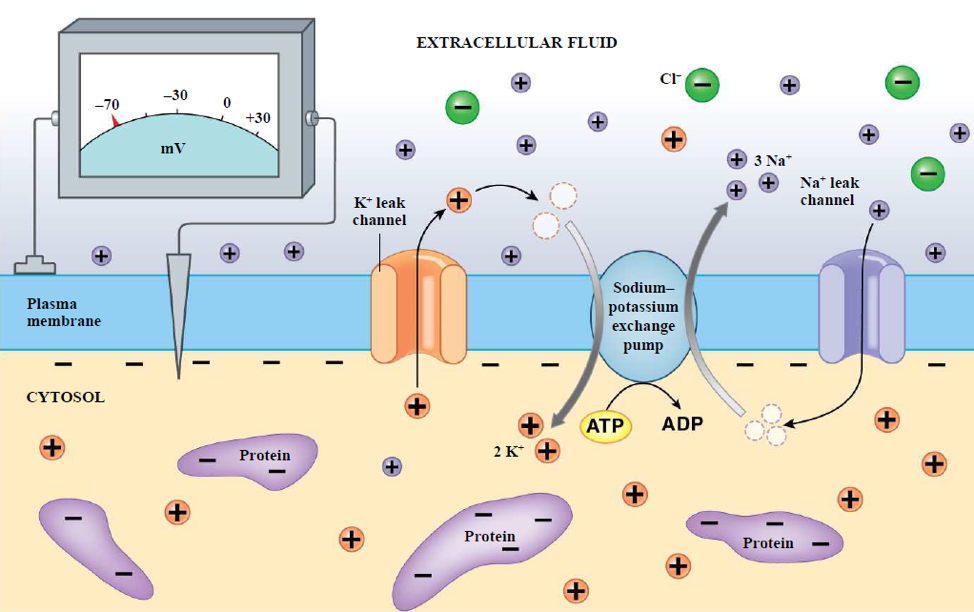


Muscle contraction depends on mineral balance. Low levels of:
-
Magnesium
-
Potassium
-
Calcium
can increase cramping risk.
Certain medications (like diuretics) may contribute to this imbalance.
3. Prolonged Sitting or Standing
Sitting for long hours or standing all day can fatigue leg muscles. Reduced circulation may also contribute to nighttime cramping.
This is especially common in:
-
Office workers
-
Retail workers
-
Long-distance travelers
4. Poor Circulation


Conditions that reduce blood flow to the legs — such as peripheral artery disease — may increase cramp frequency.
If cramps are accompanied by leg pain during walking, consult a healthcare professional.
5. Nerve Compression
Nerve problems in the lower back (such as spinal stenosis) can cause leg cramps, particularly during certain positions.
Symptoms may worsen with walking and improve with bending forward.
6. Pregnancy


Night cramps are common in the second and third trimesters due to:
-
Increased weight
-
Circulatory changes
-
Mineral shifts
They usually resolve after delivery.
7. Aging
Adults over 50 experience more frequent leg cramps. Muscle mass naturally decreases with age, making muscles more vulnerable to spasms.
How to Stop a Leg Cramp Immediately
When a cramp strikes:
-
Stretch the muscle gently
-
Flex your foot upward toward your shin
-
-
Massage the area
-
Stand and walk carefully
-
Apply warm compress to relax the muscle
-
Use ice if soreness persists
Avoid sudden forceful stretching, which can worsen discomfort.
How to Prevent Nighttime Leg Cramps
Prevention focuses on muscle health and circulation.
1. Stay Hydrated
Drink water consistently throughout the day — not just before bed.
2. Stretch Before Sleeping


Gentle calf stretches before bed can significantly reduce cramp frequency.
Simple stretch:
-
Stand facing a wall
-
Place one leg behind you
-
Keep heel flat and lean forward
-
Hold for 20–30 seconds
Repeat on both sides.
3. Improve Circulation
-
Avoid crossing legs for long periods
-
Elevate legs slightly when resting
-
Wear supportive footwear
-
Engage in regular light exercise
4. Maintain Balanced Nutrition
Ensure adequate intake of:
-
Magnesium (nuts, seeds, leafy greens)
-
Potassium (bananas, sweet potatoes)
-
Calcium (dairy, fortified foods)
Consult a doctor before taking supplements.
5. Adjust Sleeping Position
Avoid pointing your toes downward during sleep. Keeping blankets loose at the foot of the bed may help prevent forced plantar flexion (toe pointing), which can trigger cramps.
When Should You See a Doctor?
Seek medical advice if:
-
Cramps occur frequently (several times per week)
-
Pain is severe or persistent
-
There is swelling, redness, or warmth
-
You experience muscle weakness
-
Cramps interfere with sleep regularly
In rare cases, recurrent cramps may signal underlying medical conditions.
Final Thoughts
Night leg cramps are common — but they don’t have to control your sleep. In most cases, simple adjustments like hydration, stretching, and improving circulation can dramatically reduce episodes.
If cramps are occasional, they’re usually harmless. But if they become frequent or severe, don’t ignore the pattern.
Your muscles are responding to something — and understanding the cause is the first step to peaceful, uninterrupted sleep.
Take care of your legs — they carry you every day.