The idea that humans can sense death approaching has appeared across cultures, religions, and historical narratives for centuries. Stories of individuals predicting their own death, expressing sudden clarity before passing, or reporting unusual perceptions near the end of life have fueled both fascination and skepticism.
But what does science actually say? Can humans truly become aware that death is near — or are these experiences better explained by biology, psychology, and physiology?
The answer is complex. While there is no verified evidence of a supernatural “death sense,” scientific research suggests that the body and brain undergo measurable changes in the final stages of life. These changes may produce sensations or awareness that can feel predictive.
The Biology of Dying: What Happens in the Body
As the body approaches death — particularly in cases of terminal illness — physiological systems begin to decline in predictable ways.
Common late-stage biological changes include:
-
Reduced blood pressure
-
Decreased oxygen levels
-
Slower organ function
-
Altered brain metabolism
-
Hormonal fluctuations
These changes affect cognition, perception, and emotional state.
In medical settings, healthcare professionals often observe recognizable signs that suggest death is approaching within days or weeks. These signs include:
-
Decreased appetite and thirst
-
Increased sleep
-
Withdrawal from social interaction
-
Changes in breathing patterns
-
Reduced responsiveness
While patients may not consciously interpret these signs as “approaching death,” their body is undergoing processes that the brain may partially register.

The Brain Under Stress: Altered Consciousness
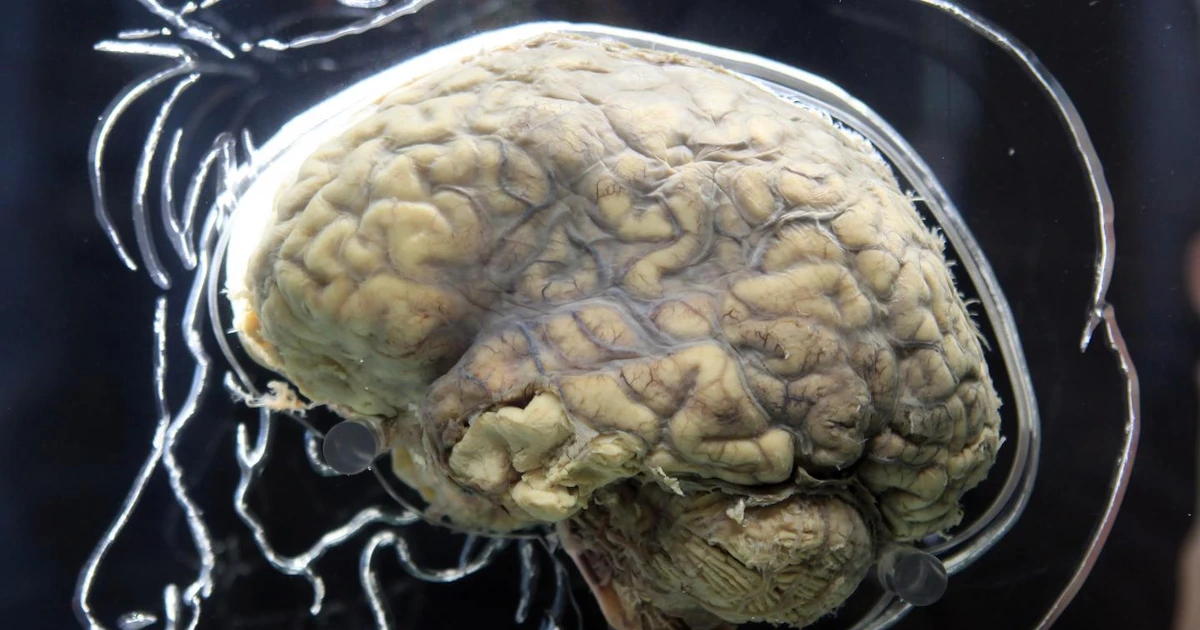
The brain is highly sensitive to oxygen and glucose levels. When circulation weakens, neural activity changes.
Research has shown that near death:
-
Brainwave patterns can shift dramatically
-
Confusion or delirium may occur
-
Vivid dreams or hallucinations may appear
-
Emotional processing may intensify
In some cases, people report:
-
A sense of peace
-
Heightened clarity
-
Feeling that “time is short”
-
Strong desire to settle unfinished matters
These experiences may reflect neurochemical changes rather than premonition.
For example, increased endorphin release may reduce pain and produce calmness. Changes in serotonin and dopamine pathways may alter perception and emotional tone.
Psychological Awareness of Mortality
Humans possess a unique cognitive capacity: awareness of mortality. Unlike most animals, people understand the concept of death abstractly.
In individuals with terminal diagnoses, awareness of approaching death often stems from:
-
Medical information
-
Progressive symptom severity
-
Loss of physical independence
-
Internal reflection
Psychological models suggest that individuals may move through stages such as denial, anger, bargaining, depression, and acceptance.
In the acceptance phase, people may express statements like:
-
“I feel my time is near.”
-
“I don’t think I have much longer.”
These statements are often rooted in rational assessment rather than intuitive foresight.
Sudden Death: Can It Be Sensed?
The question becomes more controversial when discussing unexpected death, such as sudden cardiac events.
Some individuals report feeling:
-
Sudden doom
-
Chest discomfort
-
Intense anxiety
-
A sense of impending catastrophe
In cardiology, the term “sense of impending doom” is recognized in certain emergencies, including:
-
Heart attacks
-
Severe allergic reactions
-
Pulmonary embolism
This sensation likely results from rapid autonomic nervous system activation. When the body experiences severe stress or circulatory instability, adrenaline surges can create intense fear.
This does not imply supernatural foresight. It reflects acute physiological distress.
Near-Death Experiences (NDEs)
Near-death experiences have been widely documented. Some individuals report:
-
Out-of-body sensations
-
Bright lights
-
Tunnel vision
-
Feeling detached from the body
Neurological research suggests possible explanations:
-
Oxygen deprivation
-
Temporal lobe activation
-
Endorphin release
-
Neurotransmitter surges
While NDEs are deeply meaningful to those who experience them, scientific evidence attributes these phenomena to brain activity under extreme stress rather than awareness of death itself.
Terminal Lucidity: A Fascinating Phenomenon
In rare cases, individuals with advanced dementia or severe neurological decline suddenly regain clarity shortly before death. This is known as terminal lucidity.
Scientific understanding remains limited. Hypotheses include:
-
Temporary metabolic changes
-
Neurochemical shifts
-
Brief restoration of neural network coordination
Although remarkable, terminal lucidity does not necessarily indicate conscious awareness of imminent death. It reflects complex neurological dynamics.
The Role of Intuition
Some people report strong intuitive feelings that death is near, even without obvious medical indicators.
Psychologically, humans are skilled at detecting subtle bodily changes. Minor symptoms — fatigue, shortness of breath, weakness — may unconsciously signal danger. The brain may integrate these cues into a generalized sense of vulnerability.
This is not psychic ability. It is pattern recognition operating below conscious awareness.
Cultural and Spiritual Interpretations
Across cultures, approaching death is often framed in spiritual terms. Many traditions describe individuals becoming reflective, peaceful, or emotionally detached near death.
From a psychological perspective, this may represent:
-
Acceptance
-
Emotional processing
-
Reduced attachment to daily concerns
-
Shift in cognitive priorities
Spiritual frameworks provide meaning to these experiences, but they do not serve as scientific proof of predictive awareness.
What Science Concludes
Current scientific evidence does not support the idea that humans possess a built-in mechanism to predict death in a supernatural sense.
However, science does acknowledge:
-
The body undergoes measurable changes near death
-
The brain’s chemistry shifts
-
Perception and consciousness may alter
-
Acute medical emergencies can create intense awareness
What may feel like premonition often reflects biological signaling combined with psychological interpretation.
A Balanced Perspective
It is important to approach this topic with both respect and realism.
End-of-life experiences can feel profound and meaningful. Families often notice behavioral shifts before a loved one passes. These observations deserve compassion.
At the same time, attributing such experiences to a mysterious sixth sense overlooks the remarkable complexity of human biology.
The body communicates distress. The brain interprets it. Awareness may arise from that interplay.

Final Thoughts
Do humans have awareness of approaching death?
Science suggests that while there is no confirmed supernatural “death sense,” the body and brain undergo changes that may create sensations of vulnerability, clarity, or impending crisis.
In terminal illness, awareness often comes from rational understanding and internal bodily cues. In sudden emergencies, intense physiological stress can produce a powerful sense of danger.
What feels like intuition may be biology speaking quietly — or urgently.
In the end, the human organism is highly perceptive. It detects subtle changes long before conscious reasoning catches up.
Whether interpreted scientifically or spiritually, the experience of approaching death remains one of the most profound aspects of human existence.
And science continues to explore it with careful curiosity.