Chest pain requires particular care. Although reflux can cause chest discomfort, heart-related problems can produce similar symptoms. New, severe or unexplained chest pain—especially when accompanied by shortness of breath, sweating, faintness or pain spreading to the arm, jaw or back—should be treated as an emergency.
A person should never assume that chest pain is harmless simply because they have previously experienced acid reflux.
Medical professionals can assess symptoms, review risk factors and decide whether tests or treatment are needed. Depending on the situation, treatment may include lifestyle changes, medication that reduces stomach acid or further investigation.
The most important distinction is that occasional heartburn may be temporary, while repeated symptoms deserve a more complete explanation.
Chapter 6: Can Sleeping on Your Right Side Affect Breathing?
Digestion is not the only subject connected with sleep position. Breathing patterns can also change depending on how the body is positioned, particularly in people who snore or have obstructive sleep apnea.
Obstructive sleep apnea is a condition in which the upper airway repeatedly becomes partly or completely blocked during sleep. These interruptions can reduce airflow and cause brief awakenings, sometimes without the person realizing that they have woken up.
A common sign is loud, persistent snoring. Other possible symptoms include gasping during sleep, witnessed pauses in breathing, morning headaches, dry mouth and excessive daytime sleepiness.
For some people with obstructive sleep apnea, sleeping on the back can make the problem worse. Gravity may allow the tongue and soft tissues in the throat to move backward, narrowing the airway. Side sleeping may reduce this effect and help keep the airway more open.
However, the distinction between right-side and left-side sleeping is not as straightforward as it is for acid reflux. Both side positions may be preferable to lying flat on the back for some people with position-dependent sleep apnea.
There is no strong general rule that sleeping on the right side damages breathing or that everyone must switch to the left side to protect the lungs.
The most useful position depends on the person's airway anatomy, symptoms and medical condition. Some people snore less when sleeping on either side. Others may continue to experience breathing interruptions regardless of their position.
A person who regularly snores loudly, wakes up gasping or feels unusually sleepy during the day should consider medical evaluation. Sleep apnea is not simply a noisy sleeping habit. When untreated, it can affect daytime functioning and may be associated with high blood pressure and cardiovascular problems.
A clinician may recommend a sleep study to determine whether breathing interruptions are occurring and how severe they are. Treatment can include positive airway pressure devices, oral appliances, positional therapy or other approaches depending on the individual.
Changing from the right side to the left side may help some people feel more comfortable, but it should not be treated as a substitute for diagnosing and managing sleep apnea.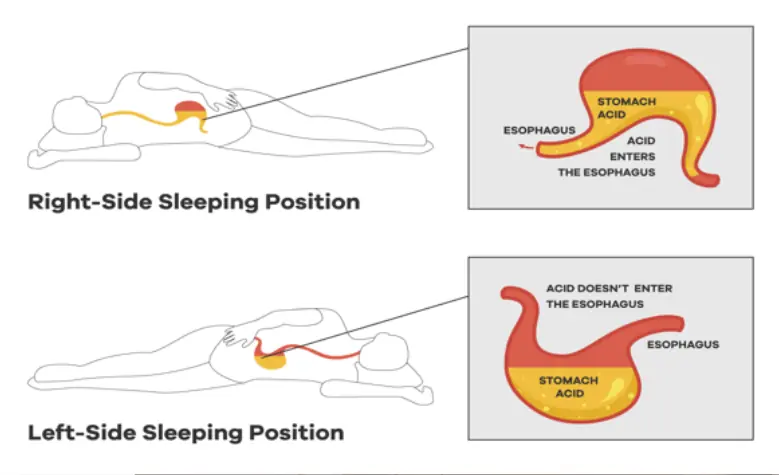
Chapter 7: Does One Side Improve Blood Circulation More Than the Other?
The article supplied with the headline also raises the subject of circulation. This is particularly relevant during pregnancy, when the growing uterus changes the demands placed on the body's circulatory system.
Blood circulation is essential because it delivers oxygen and nutrients to tissues and carries waste products away. During sleep, the heart continues working and the body maintains blood flow to the brain, organs and muscles.
For most healthy adults, sleeping on the right side rather than the left does not create a general circulation problem. The body has a complex network of blood vessels that continues functioning in different sleeping positions.
However, certain medical circumstances can make body position more important.
During later pregnancy, for example, lying flat on the back may place pressure on major blood vessels as the uterus becomes larger. This can affect blood returning to the heart and may cause discomfort or dizziness in some pregnant people.
Side sleeping is therefore commonly recommended as pregnancy progresses. Both the left and right sides can be appropriate positions, and the emphasis is generally on avoiding prolonged flat-on-the-back sleeping later in pregnancy rather than insisting that a person remain on the left side all night.
The NHS advises pregnant people that the safest position to go to sleep after 28 weeks is on either side. If they wake up on their back, they can simply turn onto their side again.
This is an important clarification because some older advice has made left-side sleeping sound like the only safe option. The left side may be comfortable and can have certain circulatory advantages, but sleeping on the right side is not automatically dangerous during pregnancy.
A pregnant person who finds the left side uncomfortable can change to the right side. Pillows under the abdomen or between the knees may help reduce pressure on the hips and lower back.
People with specific cardiovascular conditions may also receive individual advice about sleeping position. Some patients with heart failure, for example, may find one side more comfortable than the other because of the way symptoms feel when lying down.
This is another reason not to turn a general wellness headline into a strict rule. A position that helps one person may be uncomfortable for another.
If someone has been given specific instructions by a cardiologist, obstetrician or another healthcare professional, those instructions should take priority over generic online advice.
Chapter 8: Why Left-Side Sleeping Is Often Discussed During Pregnancy
Pregnancy changes the body in ways that can make sleep more difficult. As the uterus grows, some positions become uncomfortable, and common symptoms such as heartburn, back discomfort, frequent urination and difficulty finding a comfortable posture may become more noticeable.
Left-side sleeping is often discussed because it can be comfortable and may support circulation. It may also reduce pressure on certain structures as the pregnancy progresses.
The growing uterus can press on major blood vessels when a pregnant person lies flat on the back for extended periods. Side sleeping helps reduce this concern.
However, it is important to distinguish between the recommendation to sleep on the side and the idea that the left side is always required.
Current pregnancy guidance commonly advises side sleeping after 28 weeks, with either the left or right side considered acceptable. The NHS specifically advises that pregnant people who wake up on their backs should not panic; they should simply turn onto their side and return to sleep.
The left side may still be a useful choice for someone who experiences reflux or finds it more comfortable. But there is no reason to create unnecessary anxiety if a person naturally changes sides during the night.