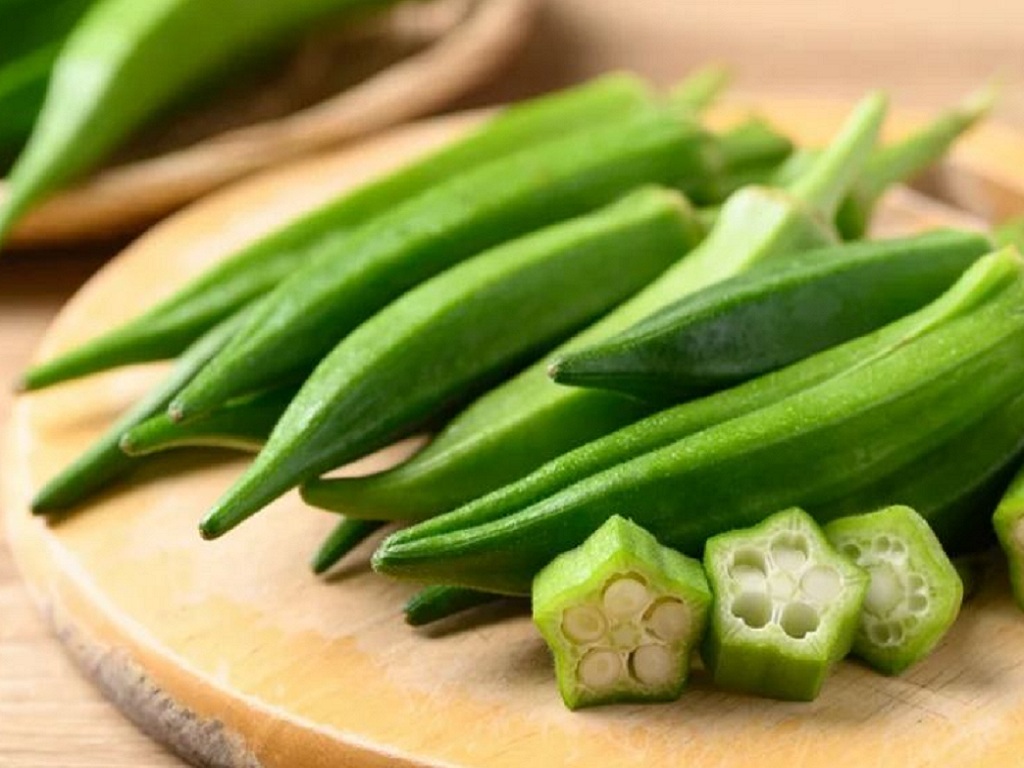
Okra is often praised as a nutritious vegetable. Rich in fiber, vitamins, and antioxidants, it appears frequently in healthy diets across many cultures. Its slimy texture, while disliked by some, is actually a sign of soluble fiber that can support digestion and blood sugar control.
However, “healthy” does not always mean “safe for everyone.” For certain groups of people, okra may worsen existing conditions or trigger unwanted side effects. Understanding who should limit or avoid okra is important for making informed dietary choices.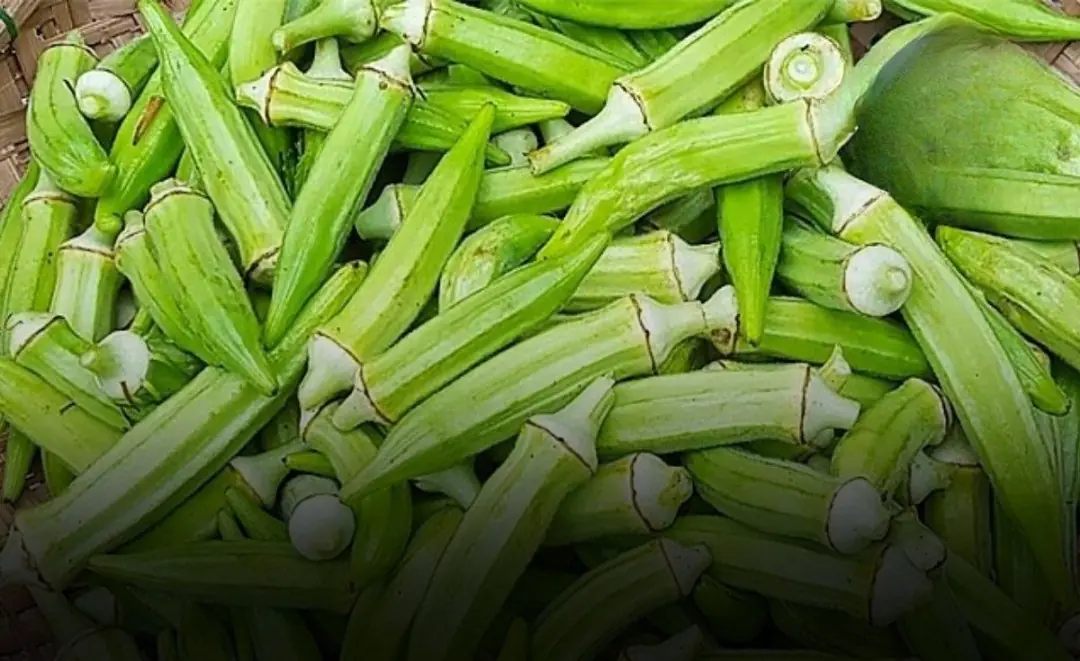
Why Okra Is Generally Considered Healthy
Before discussing restrictions, it is important to understand why okra is widely recommended.
Okra contains:
-
Soluble fiber, which helps regulate blood sugar and cholesterol
-
Vitamin C and antioxidants, supporting immune health
-
Folate, important for cell growth
-
Plant compounds that may help reduce inflammation
For most healthy individuals, okra can be a valuable part of a balanced diet. But for some, these same properties can become problematic.
1. People With Kidney Stones
Okra may not be suitable for people who are prone to kidney stones, especially calcium oxalate stones.
Okra contains oxalates, natural compounds found in many vegetables. In people who are sensitive, oxalates can bind with calcium in the body and form crystals, increasing the risk of kidney stone formation.
Why this matters:
-
High oxalate intake can worsen existing kidney stone conditions
-
People with a history of stones are often advised to limit oxalate-rich foods
-
Cooking okra does not completely remove oxalates
For individuals with kidney stone concerns, moderation or avoidance of okra may help reduce recurrence risk.
2. People With Digestive Disorders
While okra’s fiber content is beneficial for many, it can be problematic for people with sensitive digestive systems.
Okra contains fructans, a type of carbohydrate that can be difficult to digest for certain individuals. People with conditions such as:
-
Irritable bowel syndrome (IBS)
-
Chronic bloating or gas
-
Sensitive gut motility
may experience:
-
Abdominal discomfort
-
Excess gas
-
Diarrhea or cramping
Additionally, okra’s mucilage—the gel-like substance released when cooked—can slow digestion excessively in some people, leading to discomfort rather than relief.
3. People Taking Blood-Thinning Medications
Okra is rich in vitamin K, a nutrient that plays a key role in blood clotting.
While vitamin K is essential for health, it can interfere with blood-thinning medications such as warfarin. Sudden increases or decreases in vitamin K intake may reduce the effectiveness of these drugs.
Potential risks include:
-
Reduced medication effectiveness
-
Increased risk of blood clots
-
Difficulty maintaining stable blood levels
For individuals on anticoagulant therapy, dietary consistency is critical, and large amounts of okra may disrupt treatment plans.
Moderation Is Key, Not Fear
It is important to emphasize that okra is not inherently dangerous. The issue lies in individual health conditions, not the vegetable itself. Many people can enjoy okra regularly without any negative effects.
For those in higher-risk groups:
-
Smaller portions may be tolerated
-
Occasional consumption may be safer than frequent intake
-
Medical or nutritional guidance is recommended
Listening to the body’s response is essential.
Healthier Alternatives for Sensitive Individuals
For people who need to limit okra, alternative vegetables can provide similar benefits without the same risks:
-
Zucchini for fiber and hydration
-
Green beans for vitamins and minerals
-
Spinach or kale (in controlled portions, depending on condition)
A varied diet helps reduce overexposure to any single compound.
Final Thought
Okra is often viewed as a “super-healthy” vegetable, but health is not one-size-fits-all. Kidney health, digestive tolerance, and medication use all influence whether okra is a good choice.
Being informed does not mean eliminating foods unnecessarily—it means choosing what supports the body best. Understanding personal limits can turn a healthy diet into a truly safe and effective one.
If you want this rewritten in a viral health headline style, Facebook post, or short medical explainer, just say the format.