5 Types of Drinks That Harm the Liver Faster Than Alcohol — Yet Many People Still Drink Them Every Day
When people think about liver damage, alcohol is usually the first thing that comes to mind. While excessive alcohol consumption is undeniably harmful, many everyday beverages can quietly damage the liver just as fast—or even faster—without the same level of awareness or warning.
The liver is responsible for detoxifying chemicals, processing nutrients, and regulating metabolism. When it is repeatedly exposed to high sugar loads, artificial additives, or chemical stimulants, fat accumulation, inflammation, and long-term damage can occur, even in people who rarely drink alcohol.
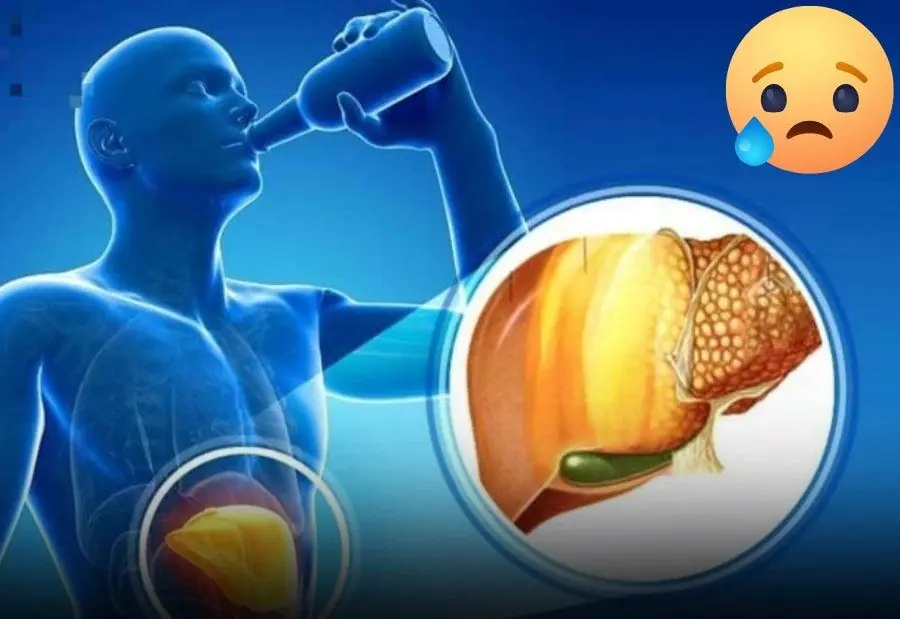
Why the Liver Is So Vulnerable to Drinks
Liquid calories are absorbed quickly. Unlike solid food, drinks deliver sugar and chemicals directly into the bloodstream, forcing the liver to process large amounts in a short time.
Over time, this can lead to:
-
Fatty liver disease
-
Insulin resistance
-
Chronic inflammation
-
Fibrosis and liver scarring
Many people unknowingly consume these harmful drinks daily.
1. Sugary Soft Drinks and Soda
Sugary sodas are one of the fastest contributors to non-alcoholic fatty liver disease (NAFLD).
These drinks contain:
-
High-fructose corn syrup or refined sugar
-
Artificial colorings and preservatives
-
Zero nutritional value
Why they damage the liver:
Fructose is metabolized almost entirely by the liver. Excess fructose is quickly converted into fat, which accumulates in liver cells. This process mirrors alcohol-induced liver fat buildup, even in non-drinkers.
Regular soda consumption has been strongly linked to fatty liver, obesity, and metabolic syndrome.
2. Sweetened Fruit Juices
Fruit juice is often perceived as healthy, but many commercial juices contain as much sugar as soda, with little fiber to slow absorption.
Even 100% fruit juice can be problematic when consumed in large amounts.
Liver-related risks include:
-
Rapid blood sugar spikes
-
Increased fat synthesis in the liver
-
Insulin resistance over time
Without the fiber found in whole fruit, the liver is overloaded with sugar, increasing the risk of long-term damage.
3. Energy Drinks
Energy drinks place extreme stress on the liver, especially when consumed frequently.
They often contain:
-
High doses of caffeine
-
Excess sugar
-
Synthetic stimulants and additives
Why they are dangerous:
The liver must detoxify both caffeine and chemical stimulants while also managing sugar overload. Case studies have linked heavy energy drink consumption to acute liver injury, even in young adults with no prior liver disease.
Mixing energy drinks with alcohol further multiplies the risk.
4. Sweetened Milk Tea and Coffee Drinks
Popular milk teas, flavored lattes, and bottled coffee drinks may taste harmless, but they are often sugar bombs in disguise.
A single serving may contain:
-
Multiple tablespoons of sugar
-
Sweetened condensed milk or syrups
-
Artificial creamers high in trans fats
Liver impact:
Excess sugar and unhealthy fats promote fat storage in the liver. Over time, frequent consumption contributes to fatty liver disease, inflammation, and impaired liver function.
These drinks are particularly harmful because they are consumed casually and repeatedly.
5. Sports and “Health” Drinks
Many sports drinks and vitamin waters are marketed as healthy, but they often contain hidden sugars and artificial additives.
Unless used for intense physical activity, these drinks:
-
Provide unnecessary sugar
-
Increase liver workload
-
Promote fat accumulation
The liver does not distinguish between “healthy” sugar and regular sugar—it processes all excess sugar the same way.
Why These Drinks Can Be Worse Than Alcohol
Alcohol is widely recognized as harmful, so many people limit it. Sugary and processed drinks, however, are consumed daily without caution, leading to constant liver stress.
Unlike alcohol, these beverages:
-
Are often consumed in large volumes
-
Are marketed as safe or healthy
-
Contain multiple liver-stressing ingredients
The damage occurs quietly and progressively.
How to Protect Liver Health
To reduce liver strain:
-
Choose water, herbal tea, or unsweetened beverages
-
Eat whole fruits instead of drinking juice
-
Limit sugar intake from all sources
-
Read ingredient labels carefully
Small changes, practiced consistently, make a significant difference.

Final Thought
Liver damage does not always come from alcohol. Many everyday drinks harm the liver silently, one sip at a time. Awareness is the first step toward prevention.
Protecting the liver means looking beyond alcohol and rethinking what is poured into the glass each day.
If you want this rewritten in a viral headline tone, Facebook health post, or short-form article, just say the format.