Pumpkin Seeds: The Underrated Superfood You Shouldn’t Throw Away
When carving a pumpkin or preparing fresh pumpkin dishes, many people scoop out the seeds and throw them away without a second thought. However, pumpkin seeds—also known as pepitas—are actually a nutrient-dense food packed with vitamins, minerals, healthy fats, and antioxidants.
Despite their small size, pumpkin seeds offer a wide range of health benefits that make them a true underrated superfood.
Below is a closer look at why you might want to think twice before tossing them in the trash.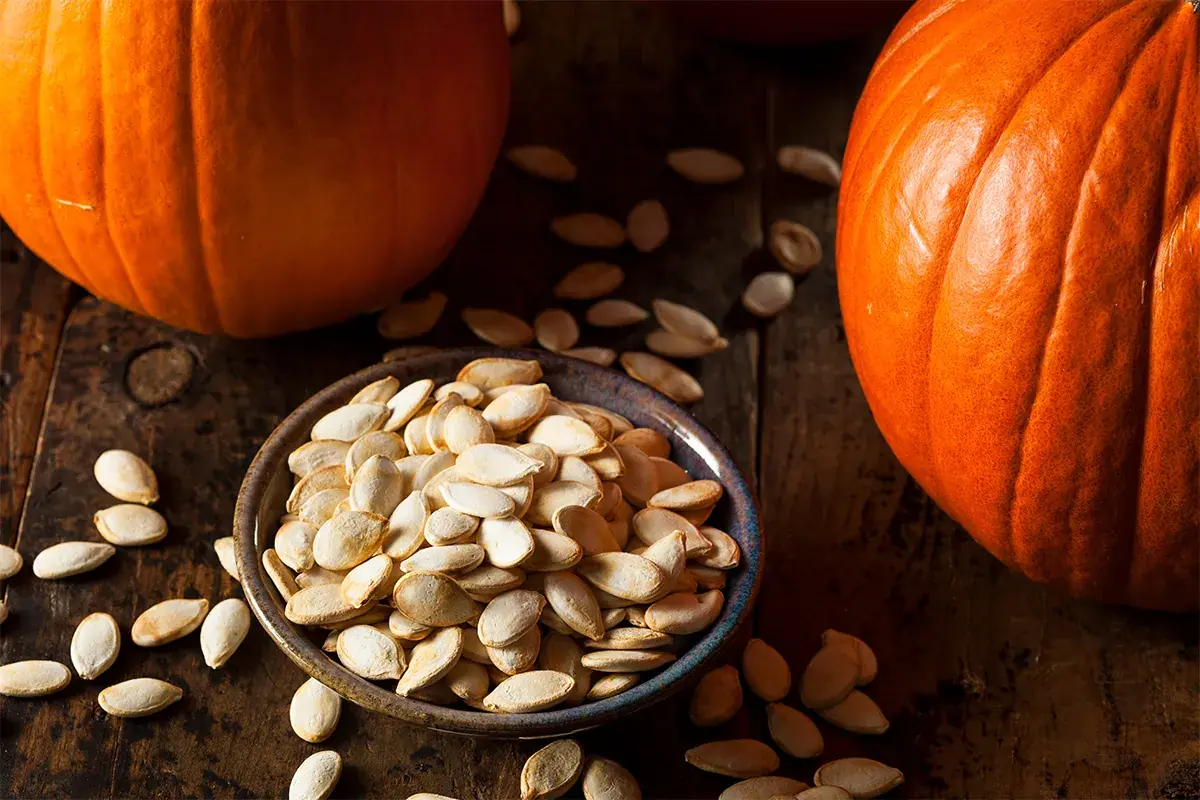
1. Rich in Essential Nutrients
Pumpkin seeds are incredibly nutritious. According to the U.S. Department of Agriculture (USDA), a small serving of pumpkin seeds provides:
-
Magnesium
-
Iron
-
Zinc
-
Healthy fats
-
Plant-based protein
-
Fiber
Magnesium, in particular, plays an important role in muscle function, nerve signaling, blood pressure regulation, and bone health.
Source:
U.S. Department of Agriculture (USDA) FoodData Central
2. A Powerful Source of Antioxidants
Pumpkin seeds contain antioxidants such as vitamin E and carotenoids, which help protect cells from damage caused by free radicals.
Antioxidants are important because oxidative stress has been linked to several chronic conditions, including heart disease and inflammation.
Source:
National Institutes of Health (NIH)
3. May Support Heart Health
The nutrients found in pumpkin seeds—including magnesium, healthy fats, and antioxidants—may help support cardiovascular health.
Research suggests that magnesium helps regulate blood pressure and supports normal heart rhythm. Diets rich in seeds and nuts are also associated with a reduced risk of heart disease.
Source:
Harvard T.H. Chan School of Public Health
4. May Help Improve Sleep
Pumpkin seeds contain tryptophan, an amino acid that the body converts into serotonin and melatonin, both of which help regulate sleep.
They are also rich in magnesium, a mineral that has been associated with better sleep quality.
Source:
Cleveland Clinic
5. Good for Immune Health
Pumpkin seeds are an excellent source of zinc, a mineral essential for immune function.
Zinc helps the body fight infections, supports wound healing, and plays a role in cell growth and repair.
Source:
National Institutes of Health (NIH) Office of Dietary Supplements
6. A Plant-Based Protein Source
For those following plant-based or balanced diets, pumpkin seeds provide a valuable source of protein.
They contain several essential amino acids that the body needs for muscle maintenance, tissue repair, and overall health.
Source:
U.S. Department of Agriculture (USDA)
7. May Support Prostate and Bladder Health
Some studies suggest that pumpkin seed compounds may support prostate health and urinary function, particularly in older men.
Pumpkin seed oil has been studied for its potential role in helping with symptoms of benign prostatic hyperplasia (BPH).
Source:
Journal of Traditional and Complementary Medicine
How to Eat Pumpkin Seeds
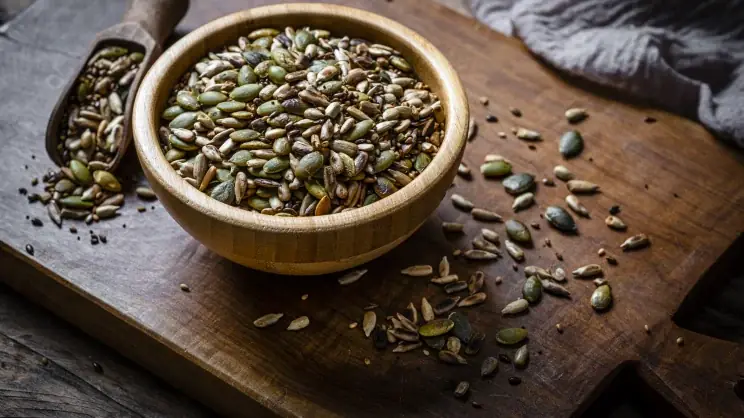
Instead of throwing pumpkin seeds away, you can easily prepare them at home:
-
Rinse the seeds to remove pumpkin pulp.
-
Pat them dry.
-
Toss with a little olive oil and salt.
-
Roast them in the oven at about 300–325°F (150–160°C) for 20–30 minutes.
Roasted pumpkin seeds can be added to:
-
Salads
-
Yogurt
-
Smoothie bowls
-
Oatmeal
-
Trail mixes
The Bottom Line
Pumpkin seeds may be small, but they are packed with nutrients that support heart health, immune function, sleep, and overall well-being. Instead of discarding them, consider roasting or incorporating them into your meals.
Sometimes, the foods we overlook the most can turn out to be some of the most nutritious additions to our diet.
Sources
-
U.S. Department of Agriculture (USDA) FoodData Central
-
National Institutes of Health (NIH) Office of Dietary Supplements
-
Harvard T.H. Chan School of Public Health
-
Cleveland Clinic
-
Journal of Traditional and Complementary Medicine