“Hidden Worms in Vegetables”: Separating Shock Headlines from Real Food Safety
The image delivers a frightening claim: “5 types of vegetables contain ‘a nest of hidden worms’; eating them raw is equivalent to swallowing all the parasites in your stomach.” Paired with a close-up of what looks like worms, the message is designed to trigger instant fear. But as with many viral food warnings, the truth is more nuanced. Understanding what is real, what is exaggerated, and what actually keeps people safe is essential.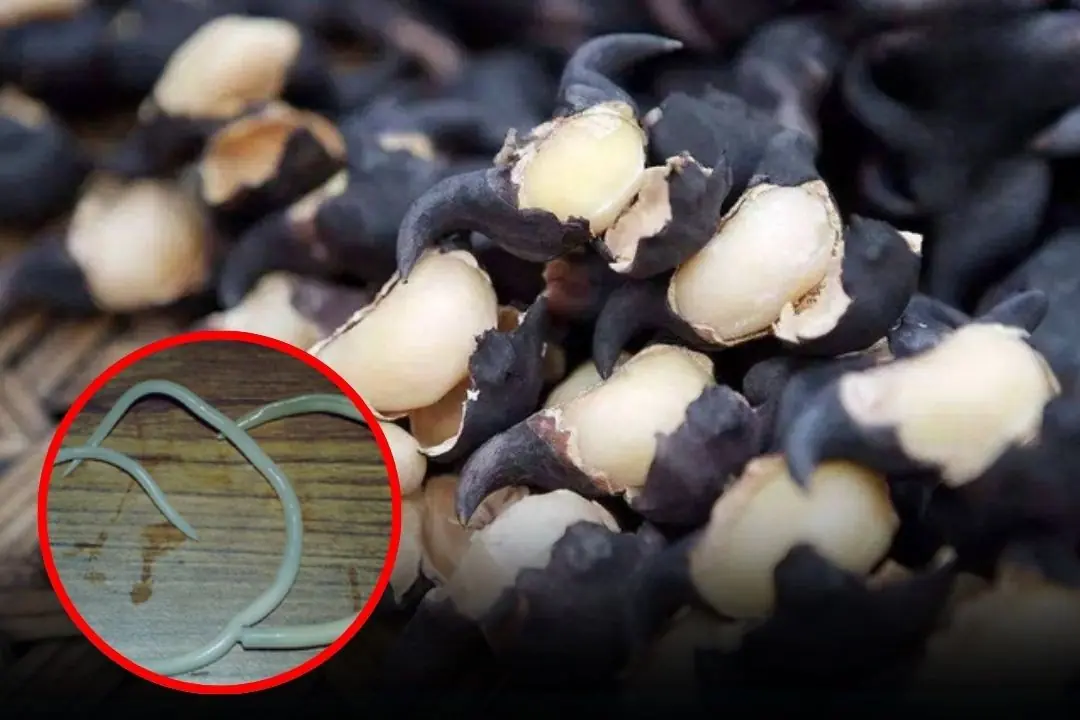
Why Images Like This Go Viral So Fast
Food-related fear spreads quickly because eating is personal and daily. When a headline suggests invisible parasites hiding inside vegetables, the reaction is instinctive: disgust, panic, and avoidance.
However, shock imagery does not equal scientific accuracy. Most such posts combine real biological facts with misleading language to create maximum emotional impact.
Do Vegetables Really Contain “Hidden Worms”?
The short answer: vegetables can sometimes carry insects, larvae, or microscopic parasites, but not in the dramatic way these headlines imply.
Vegetables grow in soil and natural environments. It is normal for:
-
Tiny insects or larvae to be present on leaves
-
Eggs of insects to exist on the surface
-
Soil organisms to cling to roots
This does not mean vegetables are “full of worms” or that eating them raw automatically leads to parasitic infection.
What the Image Is Likely Showing
The circular inset showing long, pale, thread-like organisms is often misused in viral posts. These images are frequently:
-
Taken out of context
-
Unrelated to the vegetables shown
-
Images of unrelated parasites or lab specimens
They are rarely actual parasites found inside commonly eaten vegetables. The visual is meant to provoke fear, not educate.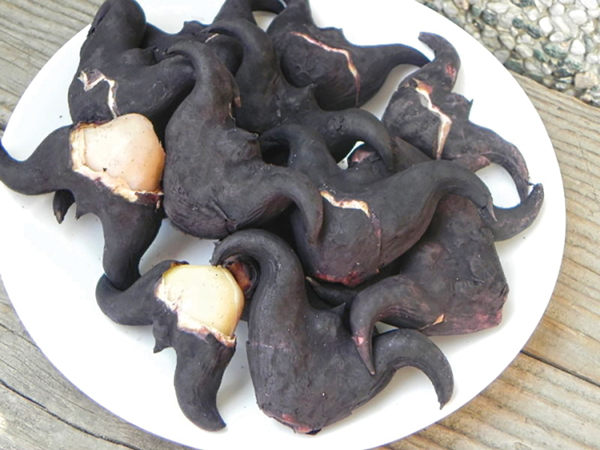
The Real Risk: Improper Handling, Not the Vegetable Itself
The true danger comes from poor hygiene and food handling, not from vegetables being inherently unsafe.
Parasite transmission from vegetables can occur if:
-
Produce is grown in contaminated soil
-
Irrigation water is polluted
-
Vegetables are not washed properly
-
Raw vegetables are eaten in areas with poor sanitation
Even then, the risk is low in most regulated food systems and can be dramatically reduced with simple steps.
Which Vegetables Get Targeted in These Claims
Leafy greens and raw-eaten vegetables are often named in viral warnings because:
-
They have folds and crevices
-
They are often eaten raw
-
Dirt and small insects are more visible
Examples include lettuce, cabbage, herbs, and sprouts. Visibility does not equal danger—it simply means they need proper cleaning.
What Science Actually Says About Parasites and Vegetables
Medical research shows that most parasitic infections are not caused by properly washed vegetables. The most common sources of parasites globally are:
-
Contaminated water
-
Undercooked meat or fish
-
Poor hand hygiene
Vegetables are only a concern when sanitation standards are low or washing is neglected.
Why “Eating Raw = Swallowing Parasites” Is Misleading
This statement is false and alarmist.
Eating raw vegetables:
-
Does not automatically introduce parasites
-
Does not guarantee infection
-
Is widely practiced safely worldwide
Raw vegetables are a cornerstone of healthy diets and are associated with lower risks of heart disease, diabetes, and certain cancers when handled correctly.
How to Eat Vegetables Safely (Without Fear)
Food safety does not require panic—just consistency.
Wash thoroughly
Rinse vegetables under clean running water. For leafy greens, separate leaves and wash individually.
Soak when appropriate
Soaking in clean water with salt or vinegar can help remove surface contaminants, though water alone is often sufficient.
Peel or cook when needed
Root vegetables and high-risk produce can be peeled or lightly cooked if preferred.
Clean hands and utensils
Cross-contamination from dirty hands or cutting boards is a bigger risk than the vegetable itself.
Why Fear-Based Messages Are Harmful
Exaggerated warnings can lead people to:
-
Avoid vegetables altogether
-
Lose trust in healthy foods
-
Replace nutritious foods with processed alternatives
This does more harm than good. Nutrition science consistently shows that the benefits of eating vegetables far outweigh the manageable risks.
The Key Difference Between Awareness and Panic
Awareness says: Wash your food properly.
Panic says: Vegetables are dangerous.
Only one of these protects health.
Conclusion: Don’t Let Shock Headlines Control Your Plate
Vegetables are not “nests of hidden worms.” They are natural foods that come from natural environments. Like all foods, they require basic hygiene—but not fear.
The image’s message relies on exaggeration and emotional shock, not balanced information. The real takeaway is simple and practical:
Clean food, informed choices, and calm judgment keep people safe—not viral panic.
Eating vegetables responsibly is not a risk. Avoiding them because of fear is.