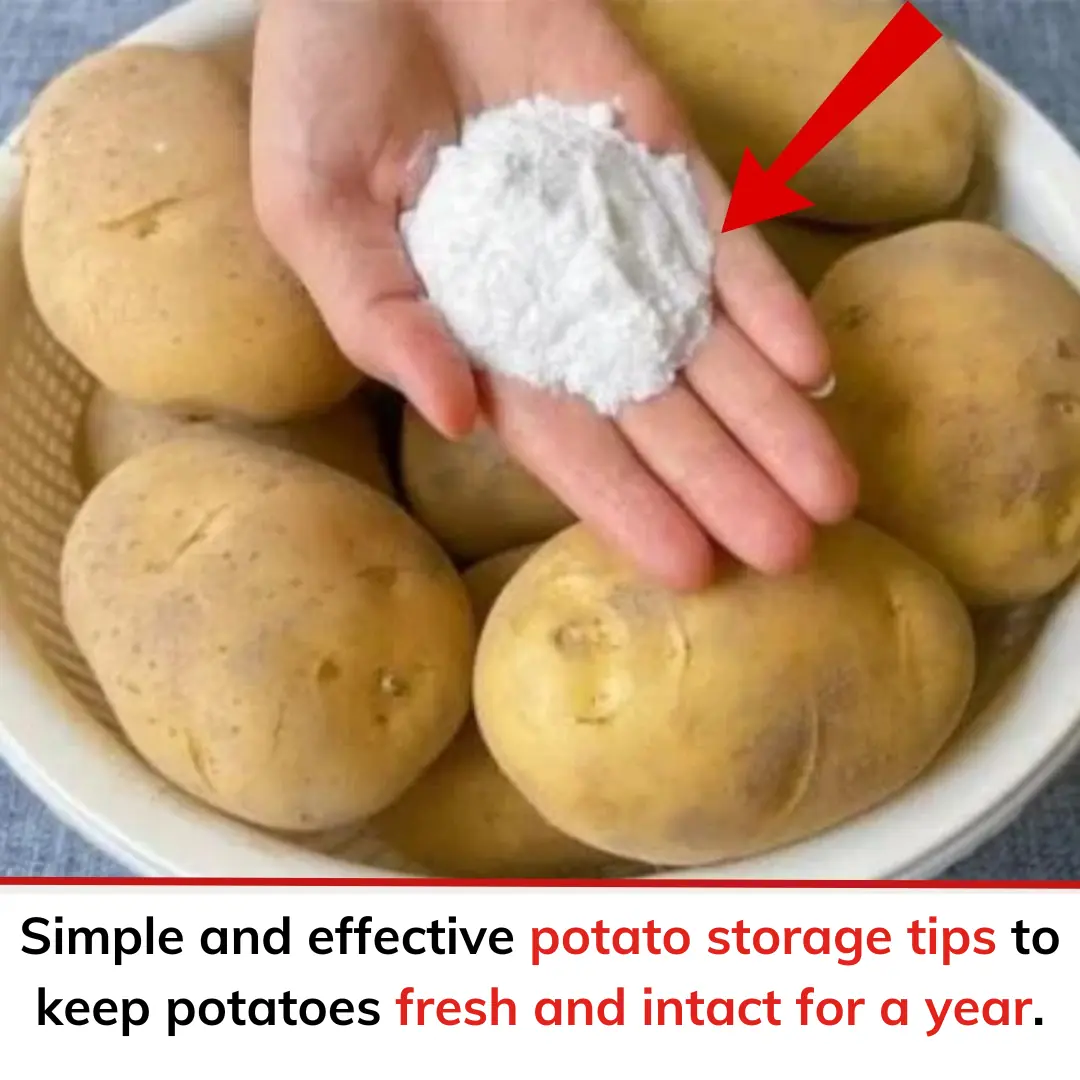
How to Store Potatoes for Up to a Year – Simple and Effective Tips
Potatoes are one of the most widely consumed vegetables worldwide due to their versatility and long shelf life. However, improper storage can lead to sprouting, rotting, or dehydration, reducing their quality and nutritional value. In this guide, we will explore the best methods to store potatoes effectively, keeping them fresh and intact for up to a year.
1. Why Do Potatoes Go Bad Quickly?
Potatoes are rich in starch and contain a high moisture content, making them susceptible to spoilage. Here are some common reasons why potatoes deteriorate:
- Exposure to Light: Light triggers chlorophyll production, causing potatoes to turn green and develop a bitter taste.
- High Humidity: Excess moisture promotes mold and bacterial growth, leading to rotting.
- Wrong Temperature: Storing potatoes at improper temperatures (too warm or too cold) speeds up sprouting or converts starch into sugar, affecting flavor and texture.
- Contact with Ethylene-Producing Foods: Certain fruits, such as apples and bananas, release ethylene gas, which accelerates potato sprouting.
2. The Best Way to Store Potatoes
To keep potatoes fresh for an extended period, follow these practical and proven storage techniques:
A. Keep Potatoes in a Cool, Dark, and Dry Place
The ideal storage temperature for potatoes is between 45°F and 50°F (7°C to 10°C). If stored in a warm environment, they will sprout faster, while refrigeration causes starches to turn into sugar, making them taste overly sweet.
- Store potatoes in a well-ventilated basket, wooden crate, or burlap sack.
- Keep them away from direct sunlight to prevent greening and toxin formation.
- Avoid airtight plastic bags, as they trap moisture and lead to rotting.
B. Use Salt to Prevent Sprouting
A simple and effective trick is to use salt as a natural preservative. Salt absorbs excess moisture, preventing sprouting and mold growth.
How to do it:
- Place a layer of potatoes in a storage container.
- Sprinkle a small amount of rock salt or table salt over them.
- Add another layer of potatoes and repeat the process.
- Cover the container with a breathable cloth or perforated lid to allow air circulation.
This method is particularly useful in humid climates where potatoes are more prone to sprouting.
C. Store Potatoes with Sand or Sawdust
For long-term storage, burying potatoes in sand or sawdust is a traditional method that protects them from moisture and temperature fluctuations.
Steps to follow:
- Fill a wooden box or crate with a layer of dry sand or sawdust.
- Arrange the potatoes in a single layer.
- Cover them with another layer of sand or sawdust.
- Repeat the process until the container is full.
This method creates a controlled environment, reducing exposure to air and moisture while keeping potatoes fresh for several months.
D. Avoid Storing Potatoes Near Onions
Onions and potatoes should never be stored together because onions release gases that accelerate potato spoilage. Keep them in separate storage areas to extend their shelf life.
3. How to Tell If Potatoes Have Gone Bad
Even with proper storage, you should regularly check your potatoes for signs of spoilage. Here’s what to look for:
- Sprouting: Small sprouts can be removed, but if the potato has multiple large sprouts, it's best to discard it.
- Softness and Wrinkles: Potatoes that feel soft and shriveled have lost too much moisture and are no longer fresh.
- Mold or Black Spots: Any signs of mold or rotting indicate that the potato is no longer safe to eat.
- Green Skin: If the potato has turned green, it contains solanine, a toxic compound that can cause nausea and digestive issues.
4. Bonus Tip: Freeze Potatoes for Extra Longevity
If you have a surplus of potatoes, consider freezing them to extend their shelf life. However, raw potatoes do not freeze well due to their high water content, so it's best to blanch them first.
How to freeze potatoes:
- Peel and cut the potatoes into small pieces.
- Boil them for 3-5 minutes (blanching).
- Drain and let them cool completely.
- Store in airtight freezer bags and freeze.
Frozen potatoes can be used for mashed potatoes, soups, or stir-fries, lasting up to 10-12 months in the freezer.
Conclusion
By following these simple and effective storage methods, you can keep your potatoes fresh and edible for an extended period. Whether you choose to store them with salt, sand, or sawdust, the key is to control temperature, humidity, and light exposure.
Next time you buy a bulk supply of potatoes, use these tips to prevent waste and enjoy fresh potatoes all year round! 🚀🥔