Stomach cancer (also called gastric cancer) is known as a “silent disease” because many people don’t notice clear symptoms until it has already progressed. That’s why doctors often diagnose it late, when treatment becomes more difficult. But in many cases, the body gives subtle warnings—especially after meals—that something may not be right. Recognizing these signs early and getting the right test, such as an endoscopy, could make a life-saving difference.
Important note: The symptoms below do not automatically mean cancer. Many are caused by common conditions like gastritis, ulcers, or reflux. However, if symptoms are persistent or worsening, medical evaluation is essential.
Why Stomach Cancer Is Often Detected Late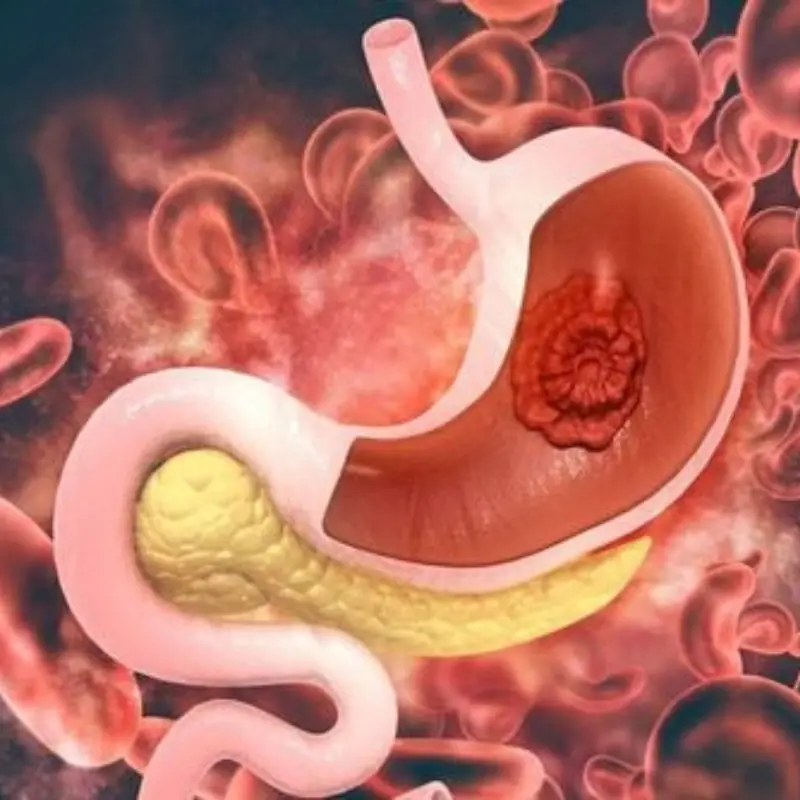
One major problem with stomach cancer is that early-stage tumors may not cause obvious pain. People may mistake discomfort for “normal indigestion” or blame stress and eating habits. Meanwhile, the cancer can grow quietly in the stomach lining.
Doctors emphasize that early detection matters because stomach cancer is much more treatable when found early. This is why endoscopy—a procedure that allows doctors to examine the stomach with a small camera—can be crucial for diagnosis.
5 Post-Meal Symptoms That May Signal Danger
1. Feeling Full Too Quickly (Early Satiety)
If you start eating and feel full after just a few bites, it may be a sign your stomach isn’t working properly. Early satiety can happen when a tumor affects how the stomach expands or empties. If this keeps happening repeatedly, it’s not something to ignore.
2. Persistent Indigestion or Burning Pain
Occasional indigestion happens to most people. But if you constantly feel burning, discomfort, or pressure after meals—especially if it lasts for weeks—it could signal inflammation, ulcers, or more serious changes in the stomach lining.
3. Nausea, Vomiting, or Loss of Appetite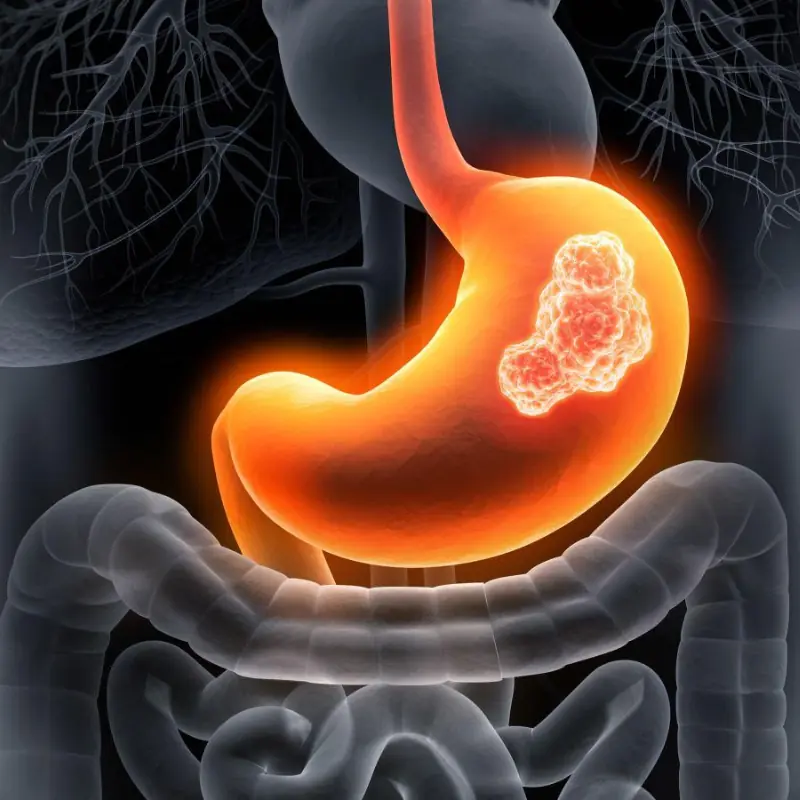
Feeling sick to your stomach after eating, vomiting often, or losing interest in food may indicate that the digestive system is struggling. In some cases, the stomach can become irritated or partially blocked, making digestion difficult.
A red flag is vomiting after meals repeatedly, especially if it becomes frequent.
4. Bloating That Doesn’t Improve
Bloating after a heavy meal is normal. But bloating that appears even after small meals—or bloating that becomes daily—can suggest that food is not moving normally through your stomach.
Some people describe this as a constant sensation of “swelling” or pressure in the upper abdomen.
5. Unexplained Weight Loss or Fatigue
Weight loss without trying, especially when paired with weakness or tiredness, deserves serious attention. In cancer and other chronic illnesses, the body may lose nutrients, appetite decreases, and energy drops over time.
If you’re eating less because meals consistently cause discomfort, weight loss may follow—but it still requires evaluation.
When to Consider an Endoscopy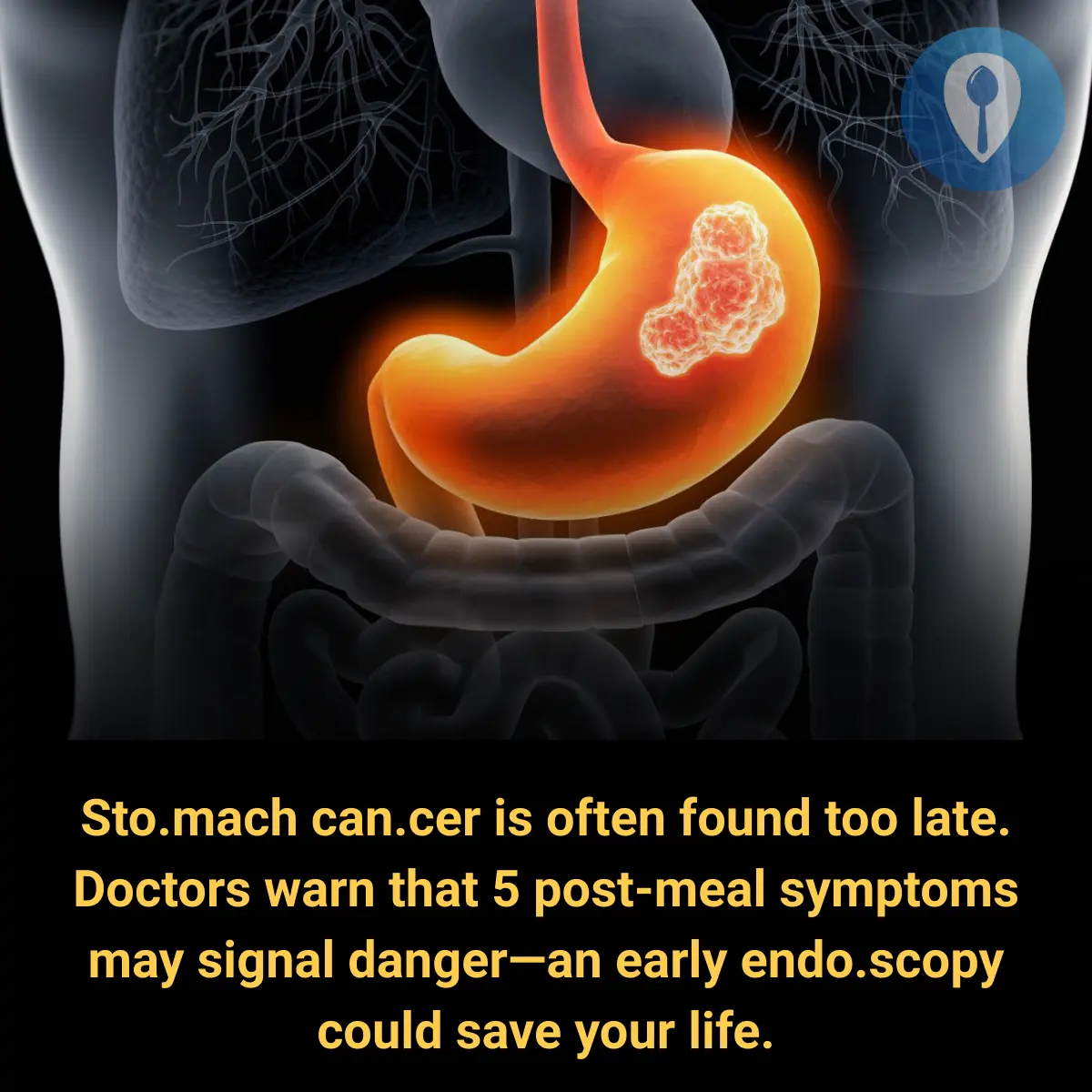
Doctors often recommend an endoscopy if symptoms:
-
last more than 2–3 weeks
-
get worse over time
-
occur almost every time you eat
-
come with weight loss, vomiting, or anemia
An endoscopy can detect ulcers, inflammation, polyps, and early cancer changes—often before they become dangerous.
Who Is at Higher Risk?
You may need earlier screening if you have:
-
a family history of stomach cancer
-
chronic H. pylori infection
-
long-term gastritis or stomach ulcers
-
smoking or heavy alcohol use
-
diets high in salty, smoked, or processed foods
-
age over 50
Risk doesn’t guarantee disease, but it increases the importance of early checks.
What You Can Do Starting Today
Even before testing, small steps can support stomach health:
-
reduce salty and processed foods
-
eat more vegetables and fiber
-
avoid smoking and limit alcohol
-
treat reflux and ulcers early
-
don’t ignore recurring digestive discomfort
Most importantly: don’t self-diagnose. If symptoms persist, see a doctor.