“Fish Eyes” Aren’t Calluses—They’re Often Caused by a Virus
Many people notice small, rough spots on their feet or hands and assume they’re just calluses from pressure or friction. In some places, these spots are even nicknamed “fish eyes.” But in many cases, they’re not calluses at all—they’re actually warts caused by a virus.
Understanding the difference matters, because the cause, treatment, and prevention are not the same.
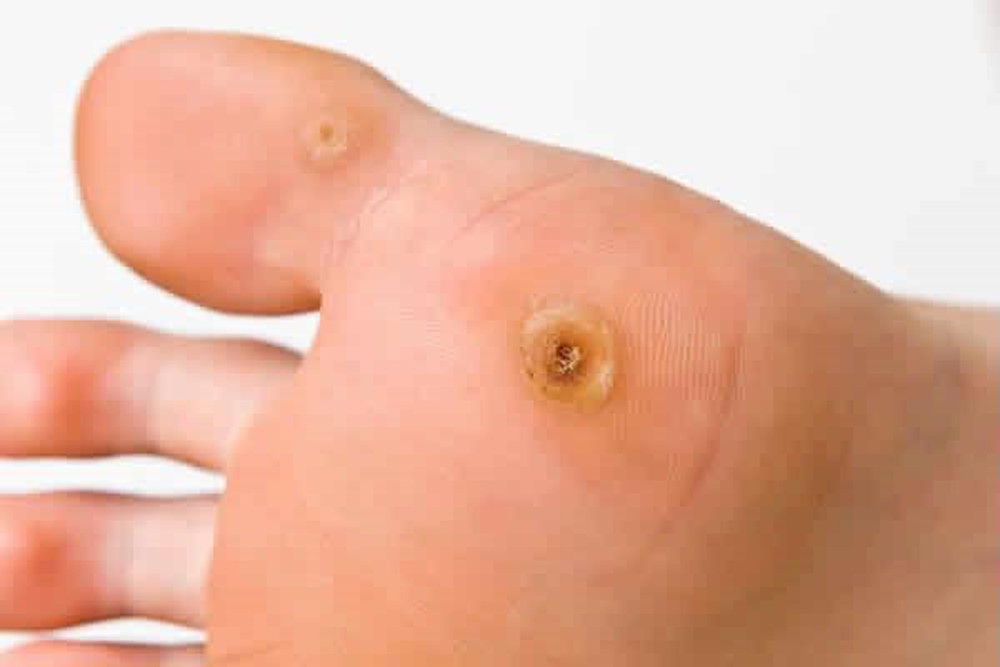
What Are “Fish Eyes” Really?
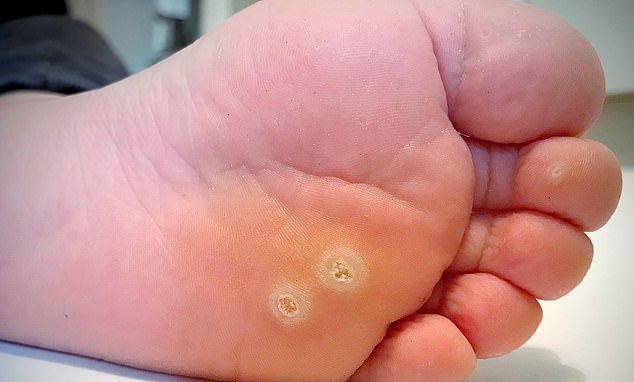
What people often call “fish eyes” are usually plantar warts, a type of skin growth caused by the human papillomavirus (HPV). This virus enters the skin through tiny cuts or breaks and triggers rapid cell growth, forming a thick, rough area.
They commonly appear on the soles of the feet, especially in areas that تحمل weight like the heel or ball of the foot.
How Are They Different from Calluses?
While they may look similar at first glance, there are key differences:
- Calluses develop from repeated friction or pressure and are generally painless.
- Warts (fish eyes) are caused by a virus and may be painful, especially when pressed.
- Warts often have tiny black dots (clotted blood vessels) inside them.
- The natural lines of your skin may be interrupted over a wart, but usually continue across a callus.
Why Do They Appear?
Plantar warts develop when HPV infects the skin. You’re more likely to get them if you:
- Walk barefoot in public places like pools, gyms, or locker rooms
- Have small cuts or cracks in your skin
- Have a weakened immune system
- Experience frequent pressure on certain areas of your feet
The virus thrives in warm, moist environments, making feet especially vulnerable.
Are They Contagious?
Yes, warts can spread—both to other parts of your own body and to other people. Direct contact or sharing items like towels, socks, or shoes can increase the risk of transmission.
How Can You Treat Them?
Treatment depends on the severity and persistence of the wart:
- Over-the-counter treatments: Products with salicylic acid can gradually remove the wart.
- Cryotherapy: A doctor may freeze the wart using liquid nitrogen.
- Medical procedures: In stubborn cases, laser treatment or minor surgery may be recommended.
It’s important not to pick at or cut the wart yourself, as this can spread the virus.
How to Prevent Them
- Avoid walking barefoot in public areas
- Keep your feet clean and dry
- Don’t share personal items like shoes or towels
- Cover any cuts or broken skin on your feet
- Wear flip-flops in communal showers or pools
Final Thoughts

Not every rough patch of skin is just a harmless callus. If you notice something unusual—especially if it’s painful or doesn’t go away—it could be a viral wart rather than simple thickened skin.
Recognizing the difference is the first step toward proper treatment and preventing it from spreading. If you’re unsure, it’s always best to consult a healthcare professional for an accurate diagnosis.