Itchy Skin and Sudden Bumps: When Your Body Is Trying to Tell You Something
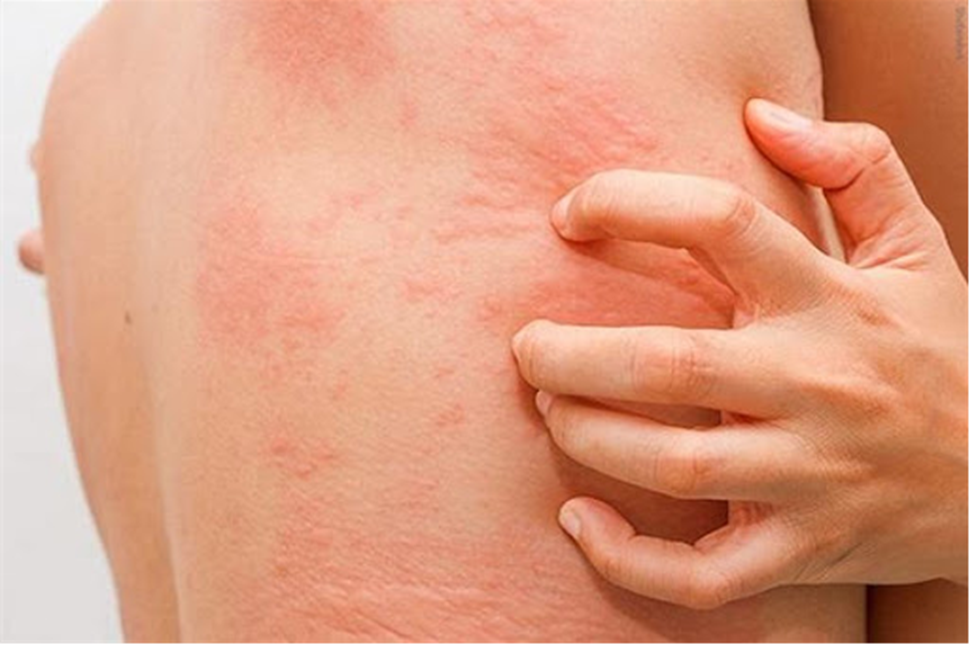
The image shows a person scratching red, irritated skin, paired with a warning: “Be careful if your body starts itching and these bumps appear on your skin…” This kind of message is common on social media because itching feels ordinary, yet persistent skin changes can make people uneasy. While most itchy rashes are harmless, there are situations where itching and bumps deserve closer attention. The key is knowing how to tell the difference.
Why Itching Is So Common
Itching is one of the most frequent skin complaints. The skin reacts quickly to changes in the environment, immune responses, and internal conditions. In many cases, itching and small bumps are caused by simple, temporary factors such as:
-
Dry skin
-
Allergic reactions to soap, detergent, or food
-
Insect bites
-
Heat or sweating
-
Stress and anxiety
These causes are uncomfortable but usually short-lived and improve with basic care.
When Itching and Bumps Are Usually Harmless
Most mild skin reactions share a few reassuring features:
-
The itching improves within days
-
Bumps fade or flatten over time
-
Symptoms respond to moisturizers or antihistamines
-
No other body symptoms appear
In these cases, the skin is reacting locally, not signaling a deeper problem.
Warning Signs That Should Not Be Ignored
Itching becomes more concerning when it is persistent, widespread, or unexplained. Pay closer attention if itching and bumps:
-
Last for weeks without improvement
-
Spread rapidly across the body
-
Occur without visible rash at first
-
Worsen at night
-
Do not respond to typical treatments
These patterns suggest that the cause may not be purely external.
Possible Underlying Conditions Linked to Persistent Itching
While itching alone does not diagnose disease, chronic itching can sometimes be associated with internal issues.
Allergic or immune-related conditions
Chronic hives or eczema may cause recurring itchy bumps, especially if triggered by immune sensitivity.
Liver or kidney dysfunction
In some cases, toxins that are not efficiently cleared from the body can irritate nerve endings in the skin, causing itching without an obvious rash.
Blood or metabolic disorders
Conditions affecting circulation or metabolism may contribute to skin dryness, irritation, or unexplained itching.
Hormonal changes
Pregnancy, thyroid disorders, or menopause can alter skin sensitivity and moisture levels.
It is important to note: these conditions are uncommon causes, but they are considered when itching is persistent and unexplained.
Why Scratching Makes Things Worse
Scratching feels relieving in the moment, but it can:
-
Damage the skin barrier
-
Increase inflammation
-
Introduce infection
-
Create thicker, darker patches over time
Repeated scratching can turn a mild issue into a chronic skin problem, even when the original cause is minor.
Common Types of Itchy Bumps
Itchy bumps can look different depending on the cause:
-
Small red dots or patches from allergies
-
Raised welts from hives
-
Rough, dry patches from eczema
-
Clustered bumps from insect bites
Appearance alone is not enough to determine severity. Duration and pattern matter more than how dramatic the rash looks.
What to Do When Itching Appears
A calm, practical response is best.
First steps at home
-
Stop using new soaps, lotions, or detergents
-
Moisturize regularly, especially after bathing
-
Avoid hot showers, which dry the skin
-
Wear loose, breathable clothing
When to seek medical advice
-
If itching lasts longer than two to three weeks
-
If bumps are painful, oozing, or infected
-
If itching occurs without a visible rash
-
If other symptoms appear, such as fatigue, weight loss, or yellowing of the skin
Medical evaluation helps rule out systemic causes and prevents unnecessary worry.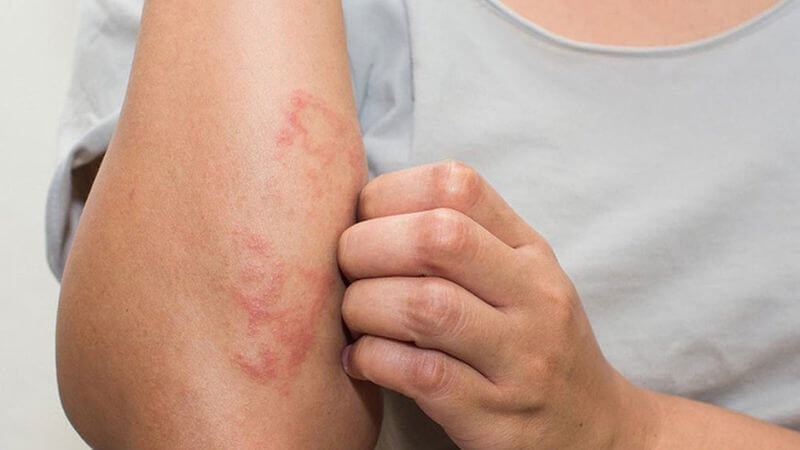
Why Fear-Based Messages Can Be Misleading
Images like this often imply that itching automatically signals something dangerous. In reality, most itchy skin conditions are benign. Fear-based messaging can cause people to panic or self-diagnose incorrectly.
The goal should be awareness, not alarm.
The Body’s Skin Is a Messenger, Not a Verdict
The skin reacts quickly to both external and internal changes. Itching and bumps are signals that something is irritating the system—but they are not conclusions.
Listening to the skin means observing patterns, duration, and response to care, not assuming the worst.
Conclusion: Pay Attention, But Stay Grounded
Itchy skin with bumps is common and usually harmless. However, persistent, unexplained itching deserves evaluation, especially when it does not improve over time.
The message behind the image is not to panic, but to stay aware. Most skin reactions resolve with simple care. When they don’t, seeking medical advice is a responsible step—not an overreaction.
Your skin speaks often. Knowing when to listen closely makes all the difference.