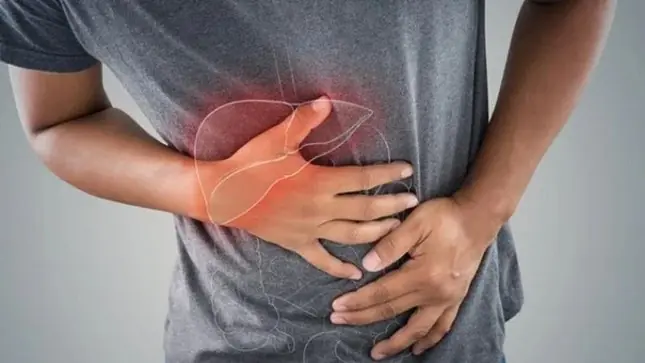
Fatty liver disease is becoming one of the most common medical conditions, especially in modern society, where sedentary lifestyles and unhealthy diets are increasingly prevalent. This disease carries serious potential risks, as it can lead to liver cancer as early as stages F1 and F2 without necessarily passing through cirrhosis.
Additionally, fatty liver disease increases the risk of colon cancer by 20 times and impacts other non-liver diseases such as cardiovascular disease, chronic kidney disease, and sleep apnea syndrome. However, if detected early and prevented, good outcomes can be achieved.
To provide readers with more information about fatty liver disease, we interviewed Dr. Luu Thi Minh Diep, from the Gastroenterology and Hepatology Center at Bach Mai Hospital, on this topic.
Reporter (R): Doctor, could you please explain the concept of fatty liver disease?
Dr. Luu Thi Minh Diep: Fatty liver disease is a condition where excessive fat (over 5% of liver weight) accumulates in the liver, affecting its function. The main causes are unhealthy diets (foods high in sugar and fat, alcohol use), overweight and obesity, and lack of physical activity. However, the disease can also occur in thin people due to metabolic disorders or genetic factors.
Unhealthy eating habits such as consuming excessive sugary foods, fatty foods, processed foods, fast food, and alcohol—from small to large amounts—are among the main causes of fatty liver disease.
R: What are the causes of fatty liver disease, doctor?
Dr. Diep: There are five main groups of causes:
-
Unhealthy eating habits: excessive consumption of sugary foods, fats, processed foods, fast foods, and alcohol.
-
Obesity and overweight: Excess body fat can lead to fat accumulation in the liver.
-
Sedentary lifestyle: Lack of exercise reduces the body's ability to burn fat.
-
Diabetes and hypertension: These conditions can increase the risk of fatty liver disease due to metabolic disorders.
-
Genetics: Some people have a genetic predisposition to this disease.
R: What symptoms of fatty liver disease can you share with our readers?
Dr. Diep: Initially, fatty liver disease usually has no obvious symptoms, making it hard for patients to recognize. When the disease progresses, some symptoms may appear such as:
-
Fatigue and discomfort.
-
Itchy skin, hives, or allergic reactions: Urticaria or itching can also indicate fatty liver.
-
Pain or heaviness in the right upper abdomen.
-
Loss of appetite, nausea, unexplained weight loss, especially after eating oily foods.
In severe cases, fatty liver disease can lead to cirrhosis or hepatitis, causing serious liver function impairment, manifested by jaundice, nosebleeds, bleeding gums, etc.
R: How is fatty liver disease classified?
Dr. Diep: Fatty liver disease can be classified into different degrees based on liver damage and disease progression. Currently, it is roughly divided into three groups:
-
Mild fatty liver (Metabolic dysfunction-associated steatotic liver disease - MASLD): Fat accumulates in the liver without inflammation or liver cell damage. This stage may be asymptomatic and reversible with lifestyle and diet changes.
-
Moderate fatty liver (Metabolic dysfunction-associated steatohepatitis - MASH): Increased fat accumulation with early inflammation, still controllable with diet and exercise.
-
Severe fatty liver: The most serious stage with extensive fat accumulation and inflammation leading to cirrhosis and possibly liver cancer. This requires aggressive treatment and regular monitoring.
R: What tests are necessary to assess fatty liver disease?
Dr. Diep: We currently have sufficient methods to evaluate fatty liver status and severity.
To accurately diagnose fatty liver disease, doctors may order:
-
Blood tests: These can detect abnormal liver function. Enzymes like AST, ALT, and GGT indicate liver inflammation or damage. However, these tests usually detect fatty liver only when hepatitis appears. Other tests include glucose, total cholesterol, HDL-C, LDL-C, triglycerides, and HbA1c to evaluate associated metabolic disorders.
-
Liver ultrasound: The most commonly used imaging method to detect fatty liver and preliminarily assess its severity.
-
CT scan or MRI: More advanced imaging methods to precisely evaluate fatty liver, especially in progressive cases.
-
Liver biopsy: In severe cases or when complications like hepatitis or cirrhosis are suspected, biopsy determines the exact extent of liver damage.
-
FibroScan (liver elastography): A non-invasive test measuring liver stiffness and fat content, important for monitoring fatty liver. The grading corresponds to the percentage of liver cells with fat: S0 (0-10%, normal), S1 (11-33%, mild), S2 (34-66%, moderate), and S3 (67-100%, severe).
R: What should people do to prevent and treat fatty liver disease?
Dr. Diep: Besides prescribed medications, lifestyle and diet play a crucial role in treatment.
-
Healthy diet: Increase consumption of green vegetables, fresh fruits, fiber-rich foods; limit sugar, fats, and processed foods.
-
Regular exercise: At least 30 minutes daily of walking, running, swimming, or yoga helps control weight and reduce body fat.
-
Weight loss: Achieving and maintaining ideal weight reduces fatty liver risk. Losing over 3% of weight improves fat accumulation, 5-7% improves hepatitis, and over 10% improves fibrosis. This applies to thin people with fatty liver as well, focusing on fat loss and muscle gain.
-
Control underlying diseases: Proper management of diabetes and hypertension prevents fatty liver complications.
-
Regular health checkups: People with risk factors should have periodic screenings for early detection.