If a Tendon Raises Up When You Touch Your Pinky to Your Thumb, Here’s What It Means
Have you ever noticed a thin tendon appearing on your wrist when you touch your pinky finger to your thumb and slightly bend your wrist? Many people see a small cord-like structure rise under the skin in the middle of the wrist during this movement. This simple test has become popular online because it reveals something interesting about human anatomy.
The tendon that becomes visible during this movement is called the palmaris longus tendon. Surprisingly, not everyone has it. In fact, a significant portion of the global population is born without this tendon, and most people never realize it.
Understanding why this tendon appears—and why some people don’t have it—can reveal fascinating details about human evolution, anatomy, and medical science.


What Is the Palmaris Longus Tendon?
The palmaris longus is a thin muscle located in the forearm that connects to a tendon running toward the palm of the hand. When a person touches their pinky finger to their thumb and bends the wrist slightly forward, the tendon may become visible as a raised line beneath the skin.
Interestingly, the palmaris longus muscle is considered a vestigial structure, meaning it is a leftover feature from our evolutionary past.
In many animals—especially primates that rely heavily on climbing and gripping branches—this muscle plays a more important role in strengthening the grip of the hand.
However, in modern humans, the palmaris longus has very little functional importance.
Why Do Some People Have It and Others Don’t?
Studies show that about 10–25% of people worldwide do not have the palmaris longus tendon in one or both arms. The absence of this tendon does not affect strength, hand function, or daily activities.
People who lack the tendon can still:
-
Grip objects normally
-
Perform sports and physical activities
-
Maintain full hand mobility
In fact, many people live their entire lives without knowing whether they have this tendon or not.

Why Doctors Find This Tendon Useful
Although the palmaris longus tendon is not essential for everyday function, it is extremely useful in certain medical procedures.
Surgeons sometimes use this tendon for tendon grafts or reconstructive surgeries because removing it usually does not affect hand strength or movement.
Common procedures that may use the palmaris longus tendon include:
-
Ligament reconstruction
-
Hand tendon repair
-
Eyelid surgery in certain cases
-
Reconstructive plastic surgery
Because the tendon is expendable, it provides surgeons with a convenient tissue source for repairing other damaged structures.
How to Test for the Palmaris Longus Tendon
You can check whether you have this tendon with a simple hand movement.
Follow these steps:
-
Place your hand palm-up.
-
Touch your pinky finger to your thumb.
-
Slightly bend your wrist forward.
If you see a raised cord-like tendon in the middle of your wrist, you likely have the palmaris longus tendon.
If you do not see anything, it simply means you may not have the tendon—and that is perfectly normal.


What This Says About Human Evolution
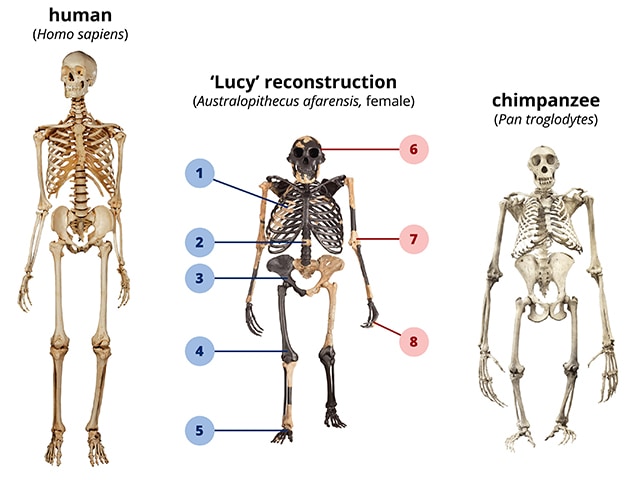
The palmaris longus muscle is considered a remnant of our evolutionary history. Early primates relied heavily on strong forearm muscles to climb trees and swing from branches. These muscles helped improve grip strength and mobility.
As humans evolved and began walking upright, the need for certain forearm muscles decreased. Over time, the palmaris longus muscle became less important.
Today, the presence or absence of this tendon varies among individuals because it is no longer essential for survival or function.
Other Vestigial Features in the Human Body
The palmaris longus is not the only example of a vestigial structure in humans. Other examples include:
-
Wisdom teeth
-
The appendix
-
Goosebumps
-
Certain ear muscles
These features once served important functions in our evolutionary ancestors but have become less significant over time.

Final Thoughts
The small tendon that appears when you touch your pinky to your thumb may seem insignificant, but it actually reveals a fascinating story about human anatomy and evolution.
Whether you have the palmaris longus tendon or not, it does not affect your strength or daily abilities. Instead, it serves as a reminder of how the human body has changed over thousands of years.
Simple observations like this highlight the incredible complexity of the human body and