A Familiar Root With a Hidden Risk
At first glance, the pale yellow-white pieces in the image look harmless—just sliced root ready to cook. In many countries, this food is a daily staple, served boiled, fried, steamed, or turned into flour. Yet the headline attached to the image makes a shocking claim: this “world’s deadliest food” is linked to hundreds of deaths each year, even though millions still eat it.
The food in the photo closely resembles cassava (also called manioc or yuca)—a crop that feeds over half a billion people worldwide. Cassava is not dangerous by nature when prepared correctly. The danger comes from one critical factor: improper processing.
Why Cassava Can Be Dangerous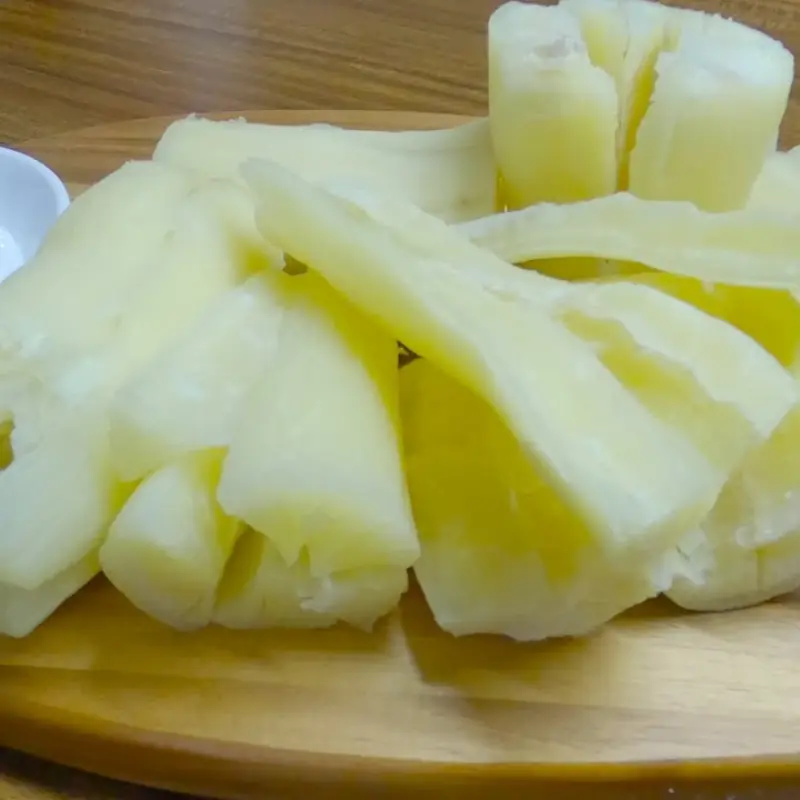
Cassava naturally contains compounds called cyanogenic glycosides. When the root is cut, crushed, or chewed, these compounds can release cyanide, a highly toxic chemical.
There are two main types of cassava:
-
Sweet cassava (lower toxin levels)
-
Bitter cassava (higher toxin levels)
Bitter varieties are more likely to cause poisoning if not handled properly, especially in communities where cassava is a survival crop during food shortages.
How Poisoning Happens
Cassava-related poisoning often occurs when people:
-
Eat cassava raw or undercooked
-
Skip key steps like soaking, fermenting, drying, or thorough boiling
-
Use cassava flour made from poorly processed root
-
Consume it during famine conditions when safe preparation methods are rushed
This risk increases when cassava is prepared quickly to save time or fuel, or when people don’t know the difference between sweet and bitter cassava.
Symptoms: The Warning Signs You Should Never Ignore
Cyanide poisoning can appear quickly. Symptoms may include:
-
Bitter or burning taste in the mouth
-
Dizziness, headache, or confusion
-
Vomiting and stomach pain
-
Difficulty breathing
-
Weakness or collapse
In severe cases, high cyanide exposure can lead to seizures, coma, and death.
Some long-term health conditions have also been linked to chronic exposure in areas where cassava is a primary food source and nutrition is limited, including nerve-related disorders. That’s why health experts emphasize: safe processing matters—especially for children and pregnant women.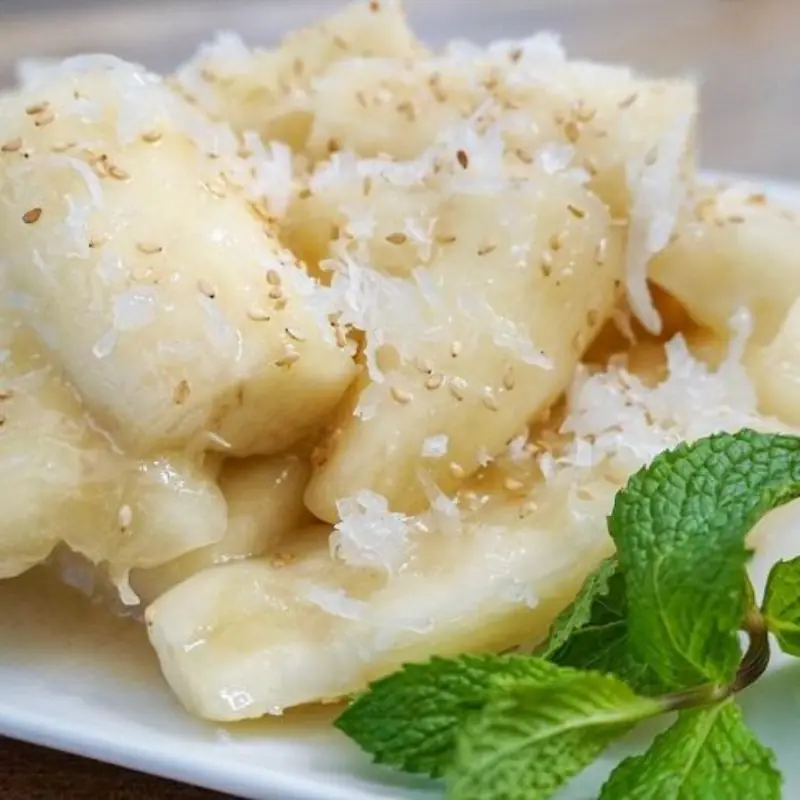
Why Millions Still Eat It
Despite the risks, cassava remains popular because it is:
-
Affordable and widely available
-
Easy to grow even in drought conditions
-
Filling and versatile
-
A key ingredient in many traditional dishes
In many regions, cassava isn’t just food—it is security. It can survive harsh weather where other crops fail, making it essential in rural communities.
The Truth Behind “200 Deaths a Year”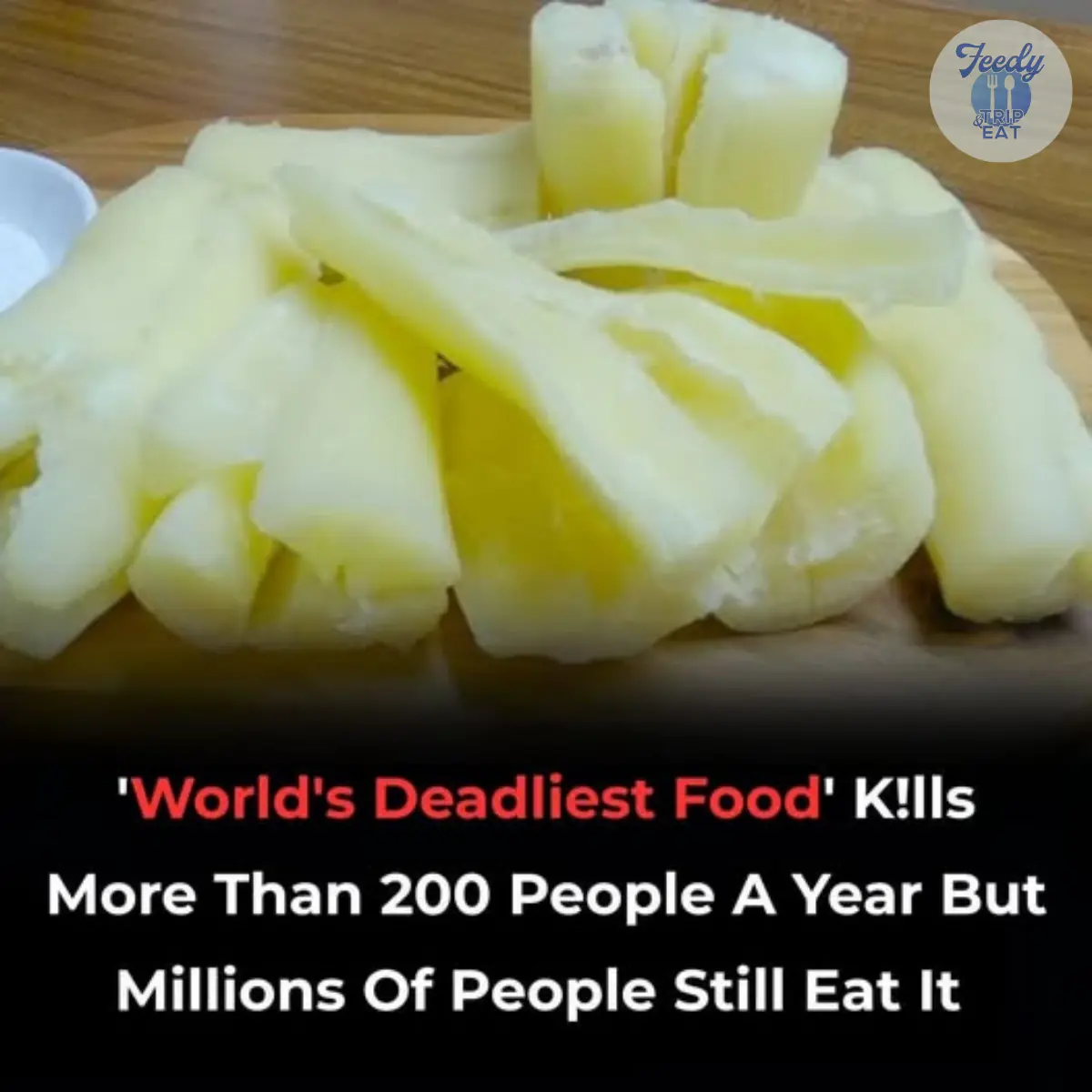
The headline is designed to shock. While it’s true that cassava has been associated with fatal poisoning outbreaks, the exact number of deaths can vary depending on the country, reporting systems, and crisis situations. Most cases happen in areas facing:
-
Food shortages
-
Limited access to clean water
-
Lack of education on safe preparation
-
Emergency reliance on bitter cassava varieties
The key point is not the number—it’s the lesson: a common food can become dangerous if handled incorrectly.