A Week Before a Stroke: Warning Symptoms Many Patients Experience
The image carries a striking message: “A week before a stroke, almost half of patients report these same symptoms.” It shows pain, neurological stress, and impaired movement—visuals designed to warn, but also to alarm. While the headline sounds dramatic, it touches on an important medical reality: strokes are often preceded by warning signs, and recognizing them early can be life-saving.
Understanding these symptoms clearly—without panic or exaggeration—is essential.\
Why the Body Often Warns Before a Stroke
A stroke occurs when blood flow to the brain is blocked or a blood vessel ruptures. In many cases, this process does not happen suddenly. The body may experience temporary disruptions in blood flow days or even weeks beforehand.
These warning episodes are commonly linked to Transient Ischemic Attacks (TIAs), often called “mini strokes.” Although symptoms may disappear, the risk behind them does not.
1. Sudden, Unusual Headaches
One of the most commonly reported early symptoms is a headache that feels different from usual.
People often describe it as:
-
Sudden and intense
-
Persistent without a clear cause
-
Located on one side of the head
Unlike typical tension headaches, these may appear abruptly and feel unfamiliar. Any new or severe headache pattern deserves medical attention.
2. Temporary Numbness or Weakness
Brief episodes of numbness or weakness—especially affecting one side of the body—are a critical warning sign.
This may involve:
-
Arm or leg weakness
-
Facial drooping
-
Difficulty gripping objects
Because the sensation often fades, many people ignore it. This is a dangerous mistake.
3. Speech and Language Difficulties
Difficulty speaking or understanding language is another key symptom reported before a stroke.
This can include:
-
Slurred speech
-
Trouble finding words
-
Inability to follow simple sentences
Even if speech returns to normal within minutes, the underlying cause may still be active.
4. Vision Changes
Short-lived vision problems frequently occur in the days leading up to a stroke.
These may involve:
-
Blurred vision
-
Double vision
-
Temporary vision loss in one eye
Because these episodes may last only moments, they are often dismissed as eye strain or fatigue.
5. Dizziness and Loss of Balance
Unexplained dizziness, vertigo, or difficulty walking can signal impaired blood flow to areas of the brain responsible for balance and coordination.
People may feel:
-
Suddenly unsteady
-
As if the room is spinning
-
Unable to walk in a straight line
When these symptoms appear without an obvious cause, they should never be ignored.
6. Sudden Fatigue or Confusion
Some patients report a wave of unusual fatigue or mental confusion days before a stroke.
This may appear as:
-
Trouble concentrating
-
Feeling “foggy” or disoriented
-
Sudden mental slowing
Because fatigue is common in daily life, this symptom is often overlooked—but its sudden onset matters.
Why These Symptoms Are Often Missed
The most dangerous aspect of pre-stroke symptoms is their temporary nature. When blood flow briefly restores itself, symptoms disappear, creating a false sense of security.
Many people assume:
-
“It passed, so it’s nothing”
-
“I was just tired or stressed”
-
“I’ll deal with it later”
Unfortunately, “later” may come too late.
Who Is at Higher Risk of a Stroke
While anyone can experience a stroke, risk increases with:
-
High blood pressure
-
Diabetes
-
Smoking
-
High cholesterol
-
Heart rhythm disorders
-
A sedentary lifestyle
Age increases risk, but younger adults are not immune—especially when multiple risk factors are present.
What To Do If These Symptoms Appear
If any of these warning signs occur—even briefly—the correct response is immediate medical evaluation.
Do not:
-
Wait for symptoms to return
-
Drive yourself to the hospital
-
Assume it will resolve on its own
Doctors can perform imaging and tests to identify the cause and start treatment that can prevent a full stroke.
The Most Important Message
The image’s message is clear for a reason: a stroke is rarely a surprise. In many cases, the body sends warnings days in advance.
Ignoring these signs risks permanent brain damage, disability, or death. Acting early can mean full recovery instead of lifelong consequences.
Conclusion: Early Action Saves Lives
A stroke does not always strike without warning. Headaches, numbness, speech issues, and balance problems may be the body’s final alert.
These symptoms are not meant to frighten—they are meant to protect. Recognizing them and responding quickly is one of the most powerful ways to prevent tragedy.\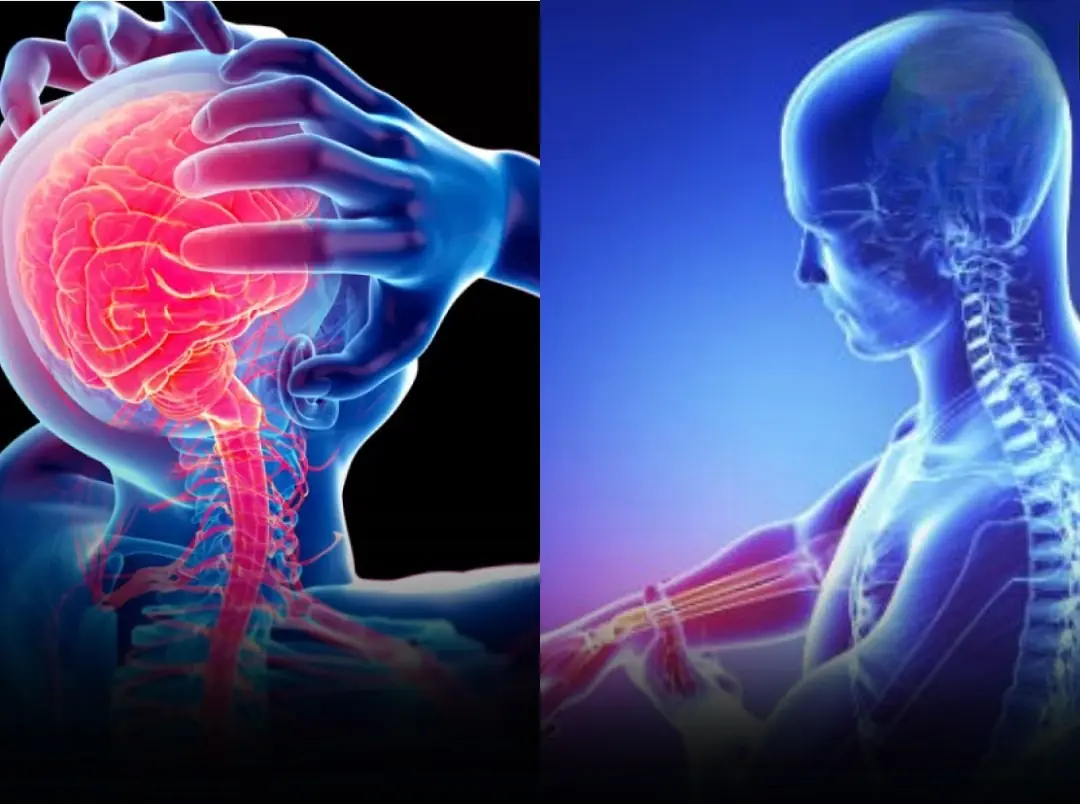
When the body speaks, listening can make all the difference.