A striking image is circulating online showing a bowl of leafy green soup alongside the headline: “This vegetable can kill over 90% of cancer cells, yet most people overlook it as just a wild plant.” The statement is attention-grabbing, and it often appears next to photos of moringa leaves (also called drumstick tree leaves), a plant widely used in soups and traditional cooking in many Asian and African countries.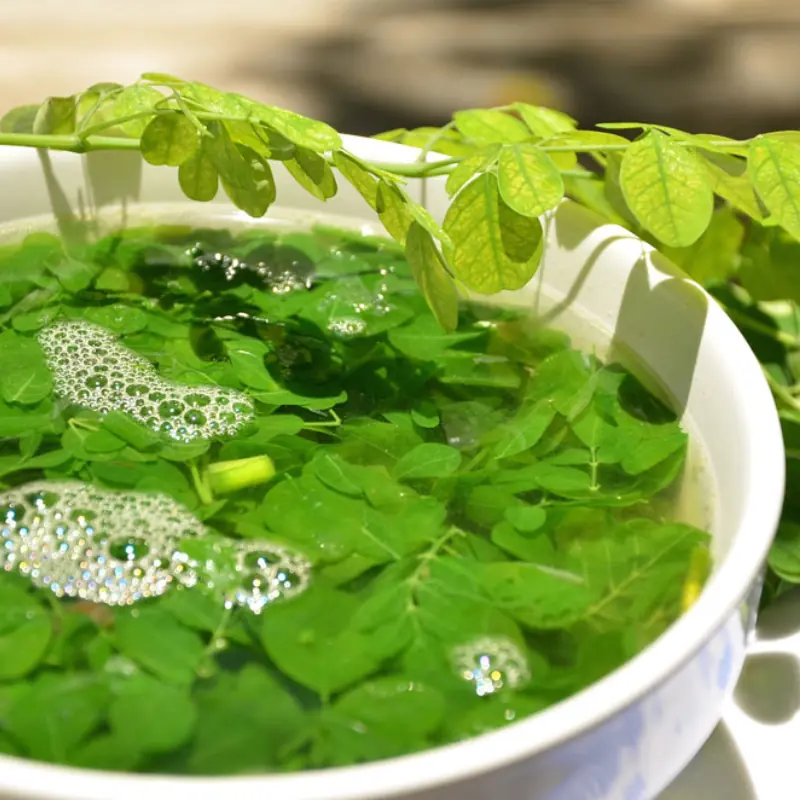
But does any vegetable truly “kill 90% of cancer cells”? The short answer: not in the way the internet suggests. Below is a clear breakdown of what this claim means, why it spreads quickly, and what we know so far about moringa and cancer research.
1. Why This Claim Goes Viral
Health headlines that promise a simple cure often spread fast because they offer hope—and because they sound scientific. Terms like “kills cancer cells” are frequently borrowed from laboratory research and turned into dramatic messages on social media.
However, the difference between lab findings and real-world treatment is enormous. A substance that shows anti-cancer activity in a petri dish does not automatically become a cure for human cancer.
2. What Vegetable Is Usually Being Mentioned?
The leafy plant shown in many of these viral posts looks like moringa (Moringa oleifera)—a highly nutritious edible plant. Moringa leaves are rich in:
-
Vitamins A, C, and E
-
Minerals like calcium, potassium, and iron
-
Antioxidants and polyphenols
-
Plant compounds such as flavonoids and isothiocyanates
Because of this nutrient profile, moringa is often described as a “superfood” and is popular in health blogs and traditional medicine.
3. What Science Says About “Killing Cancer Cells”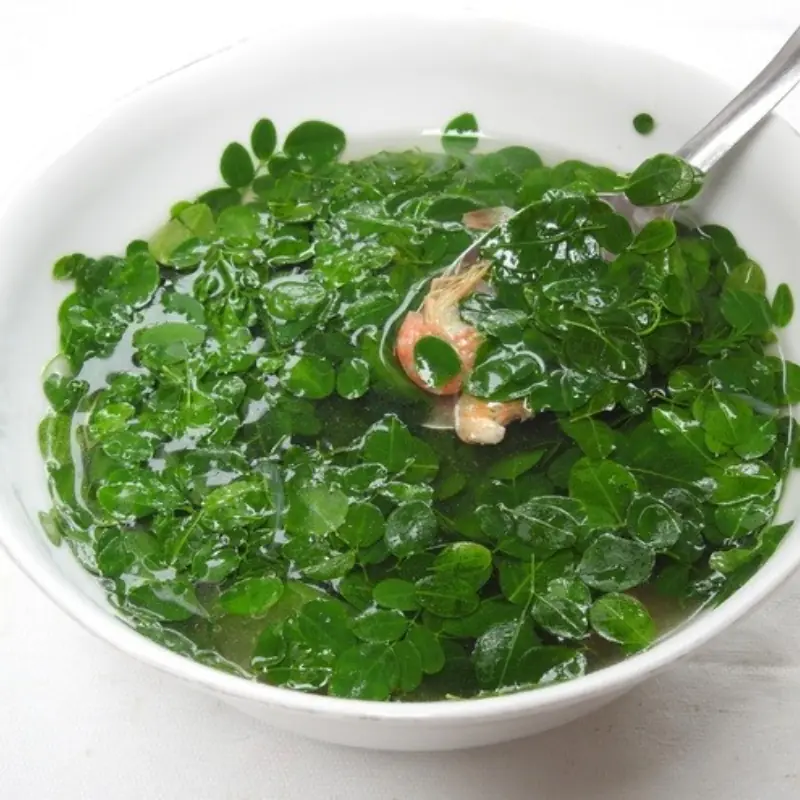
Some studies have found that moringa extracts may slow the growth of certain cancer cells in laboratory settings. This is where statements like “kills 90% of cancer cells” often originate.
But it is essential to understand this context:
✅ In vitro studies (lab studies)
Researchers expose cancer cells to concentrated plant extracts in controlled conditions. At certain doses, some cells die or stop growing.
❌ Human evidence (clinical proof)
Human bodies are much more complex. The same compounds may not reach tumors in the same concentration when eaten as food. Clinical trials are needed to confirm effectiveness and safety.
So the “90%” figure—when it appears—usually refers to a specific lab experiment, not a guaranteed result for patients eating a vegetable.
4. Can Eating Moringa Prevent or Treat Cancer?
At this time, there is no strong clinical evidence that moringa—or any single vegetable—can cure cancer on its own. Cancer treatment typically requires medical approaches such as surgery, chemotherapy, targeted therapy, immunotherapy, or radiation, depending on the stage and type.
That said, moringa can support overall health because it contains antioxidants and nutrients that help the body reduce inflammation and oxidative stress. A balanced diet rich in vegetables is linked with better long-term health, but it should not replace medical care.
5. Why “Wild Plant” Doesn’t Mean “Useless”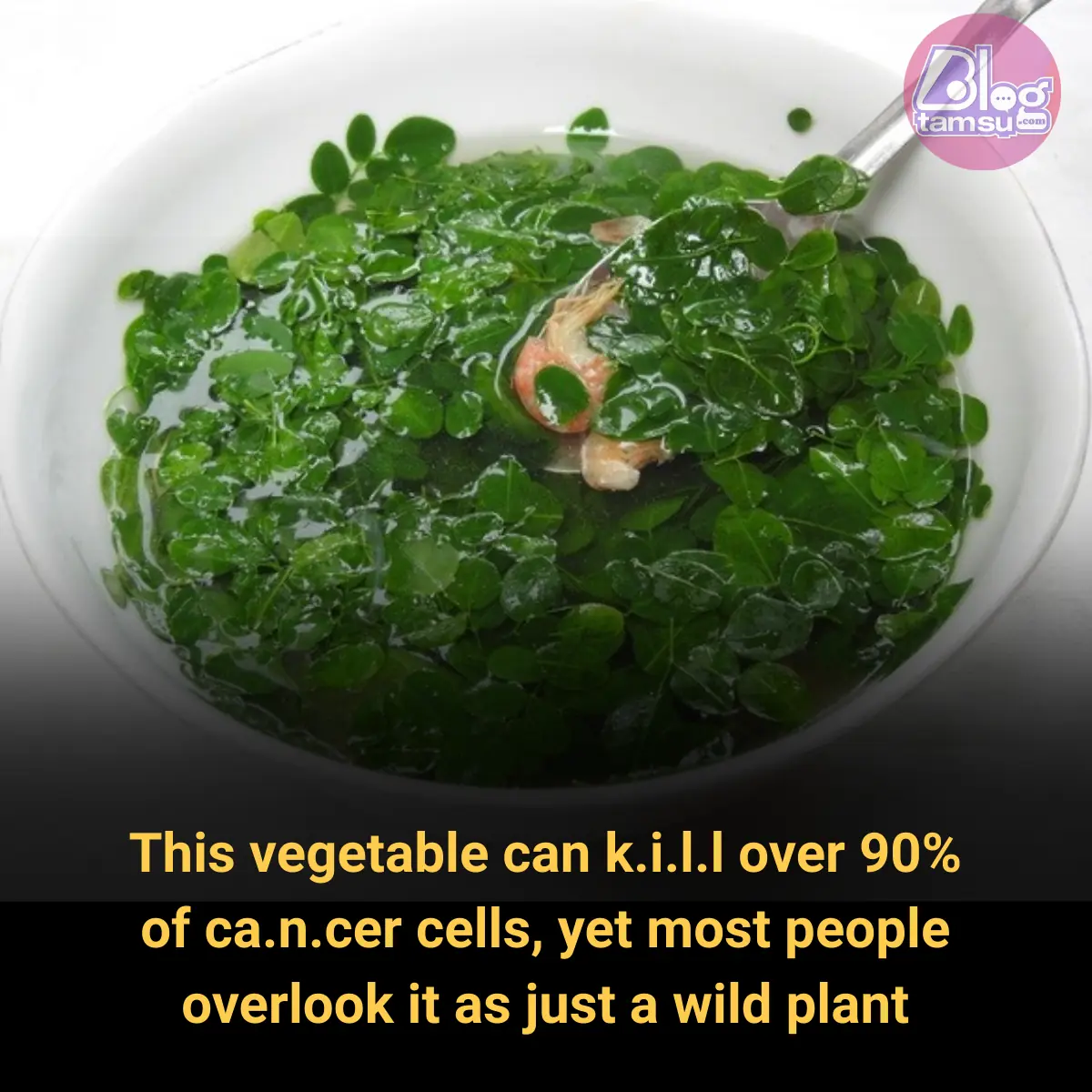
Many plants once considered “wild” are now recognized for their value. Moringa grows easily, is affordable, and is common in home gardens. People may overlook it because it seems ordinary—but nutritionally, it can be impressive.
This is why the viral message resonates: it combines the idea of a “forgotten” plant with a powerful claim. The problem is that the claim often becomes overstated.
6. How to Use This Vegetable Safely
If you enjoy moringa leaves (fresh, dried powder, or tea), it can be part of a healthy diet. For most people, moderate use is safe. But there are important cautions:
-
If you are pregnant, ask a doctor before using supplements.
-
If you have diabetes or take blood pressure medicine, moringa may affect blood sugar or blood pressure.
-
Avoid relying on it as a treatment for serious illness.
Food is supportive, but medical diagnosis and treatment are essential.