On February 5, 2025, CafeBiz reported "US: New dangerous virus discovered, raising many concerns" with the following content:
For the first time, this potentially deadly virus has been discovered in the US. This raises concerns about an outbreak.
Scientists recently announced the Camp Hill virus found in shrews in Alabama (USA). This raises concerns that this virus can be transmitted from animal hosts to humans and has the potential to cause a widespread outbreak.
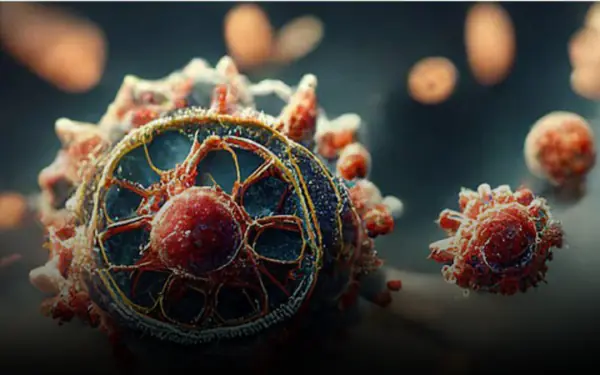
Accordingly, the Camp Hill virus belongs to the family of henipavirus pathogens with a high mortality rate. However, this virus has not yet been recorded in humans. The closest virus to Camp Hill that infects humans is Langya - a virus transmitted from shrews to humans in China that causes symptoms such as fever, fatigue, cough, muscle aches, liver dysfunction and kidney damage.
“This suggests that there may be a chance of human-to-human transmission,” said Dr Rhys Parry from the University of Queensland, who confirmed the presence of the virus in the Alabama shrew. “The discovery of henipavirus in North America is significant because it suggests that the virus could spread globally.”
However, the researchers said further research was needed to determine whether the virus posed a threat to humans.
“Henipaviruses have caused severe, sometimes fatal disease in humans and animals in many other areas,” Dr Parry said. “One of the most dangerous henipaviruses, Hendra, was first detected in Brisbane, Australia, and has a mortality rate of 70%. In addition, Nipah virus, with a mortality rate of 40 to 75%, has been detected in outbreaks in Southeast Asia, including Malaysia and Bangladesh.”
Hendra and Nipah viruses can cause flu-like symptoms and respiratory distress including pneumonia. Hendra virus can lead to severe inflammation of the brain and spinal cord, seizures, confusion and coma. Nipah virus can also cause seizures, encephalitis, disorientation, confusion and coma within 24 hours.
There is no specific treatment for either virus.
Australian fruit bats are the typical host of Camp Hill virus. Scientists say the discovery of the virus in a North American mammal for the first time could change previous understandings of how the virus spreads, suggesting it has become more widely distributed geographically and evolved to survive in different animals.
The northern short-tailed shrew is commonly found in dense forests and swamps, typically in southern Canada and the eastern and central United States. Much of their habitat overlaps with that of humans, facilitating their spread.
The researchers said they discovered the virus in shrews in 2021, although they only published their report this week. The virus has never been found in animals other than bats and has never infected humans.
Camp Hill virus was found primarily in the kidneys of shrews, suggesting it would attack the same organs in humans. Co-researcher Dr Ariel Isaacs said the team would now focus on developing vaccines for the virus.