Bananas are one of the easiest fruits to add to your daily diet. They are portable, naturally sweet, affordable, and packed with nutrients such as potassium, vitamin B6, vitamin C, and dietary fiber.
But there is one interesting question that often gets overlooked: Does the color of a banana change its nutritional value?
A green banana, a bright yellow banana, and a banana covered in brown spots are technically the same fruit at different stages of ripeness. Yet ripening changes the banana's texture, taste, starch composition, and how quickly its carbohydrates become available to the body.
That means the “best” banana may depend on what you are looking for.
A green banana may be appealing to someone who wants more resistant starch. A yellow banana offers a balance of sweetness, texture, and digestibility. A very ripe banana can be particularly useful when you want something soft, naturally sweet, and easy to eat.
So which one should you choose?
The answer is more nuanced than simply calling one color the healthiest.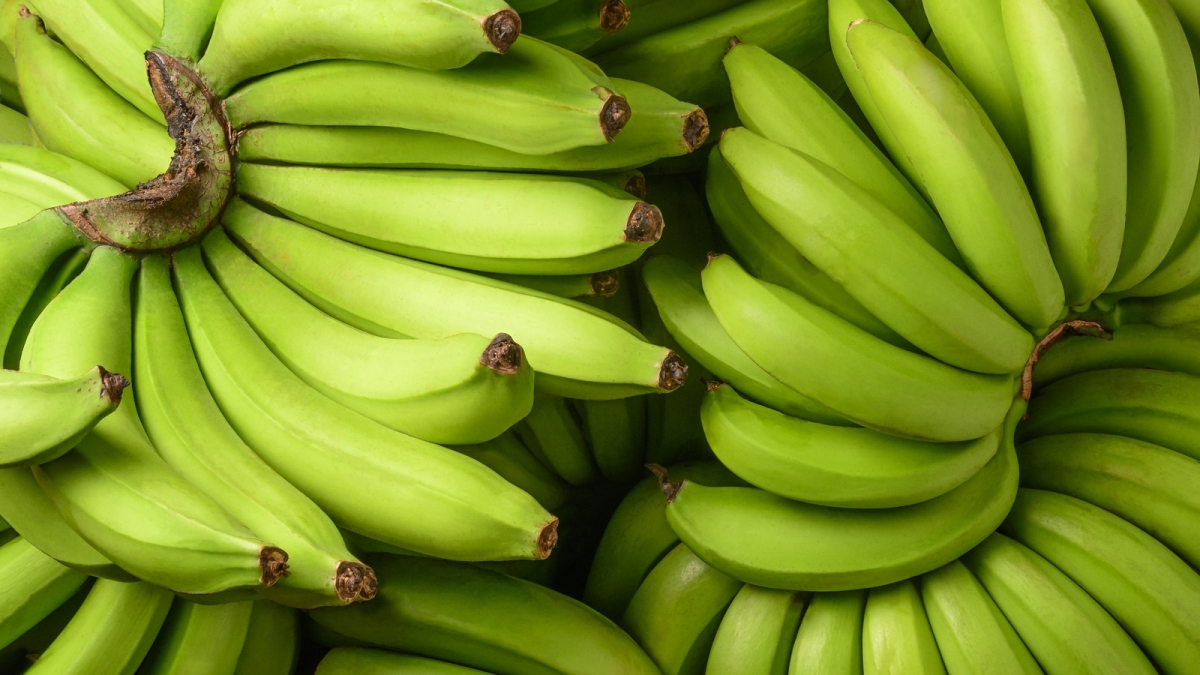
What Happens as a Banana Ripens?
When a banana is green, much of its carbohydrate is present as starch. As the fruit ripens, enzymes gradually break some of that starch down into simpler sugars.
That is why green bananas are firm and less sweet, while yellow bananas become softer and sweeter.
As ripening continues, brown spots begin to appear, the flesh becomes softer, and the flavor becomes increasingly sweet.
This natural transformation explains why the nutritional differences between green, yellow, and brown bananas are less about one banana suddenly becoming “healthy” or “unhealthy” and more about how the composition of the fruit changes during ripening.
Green Bananas: More Resistant Starch
Green bananas are less sweet and noticeably firmer than ripe bananas.
One of their most interesting characteristics is their higher content of resistant starch.
Resistant starch is a type of carbohydrate that is not fully digested in the small intestine. Some of it reaches the large intestine, where it can be fermented by gut microorganisms.
Because of this, resistant starch is sometimes discussed in connection with digestive and metabolic health.
This makes less-ripe bananas particularly interesting from a nutrition perspective.
However, there is an important downside: green bananas can be harder for some people to digest.
Eating a large amount may lead to bloating, gas, or digestive discomfort, particularly in people who are sensitive to certain types of fermentable carbohydrates.
Who might prefer green bananas?
Green bananas may be a useful option for people who enjoy their firmer texture and want to include more resistant starch in their diet.
They can also be cooked and incorporated into savory dishes in some cuisines.
But there is no need to force yourself to eat an unripe banana if it makes you uncomfortable.
Yellow Bananas: The Middle Ground
For many people, the classic yellow banana is the easiest choice.
At this stage, much of the original starch has converted into sugars, giving the fruit its familiar sweet flavor. The texture is softer, but it usually remains firm enough to eat without making a mess.
Yellow bananas still provide fiber and important micronutrients while being easy to digest for most people.
They also make a convenient snack before exercise or between meals.
For someone who simply wants a nutritious fruit that tastes good and is easy to eat, a yellow banana is an excellent everyday option.
It does not need to be more complicated than that.
Brown-Spotted Bananas: Sweeter and Softer
As bananas become more ripe, brown spots appear on the peel.
Many people assume this means the banana has lost most of its nutritional value.
That's not quite right.
A banana with brown spots can still provide potassium, vitamin B6, vitamin C, and other nutrients. What has changed most noticeably is the starch-to-sugar balance and texture.
The fruit becomes much softer and sweeter because more starch has been converted into simpler sugars.
That can make very ripe bananas particularly useful in smoothies, oatmeal, yogurt, pancakes, and baking.
Instead of adding a large amount of table sugar, you can use a ripe banana to provide natural sweetness and moisture.
Does a Brown Banana Have More Sugar?
Ripening changes how carbohydrates are stored, but that does not mean a banana suddenly becomes a high-sugar food in the same way as candy or a sugary drink.
A banana naturally contains carbohydrates regardless of its stage of ripeness.
The major difference is the form those carbohydrates take.
Green bananas contain more resistant starch, while ripe bananas contain a greater proportion of readily digestible sugars.
This can affect how quickly carbohydrates are available to the body.
For people managing blood glucose, the ripeness of the banana may therefore be worth considering, along with portion size and what else is eaten with it.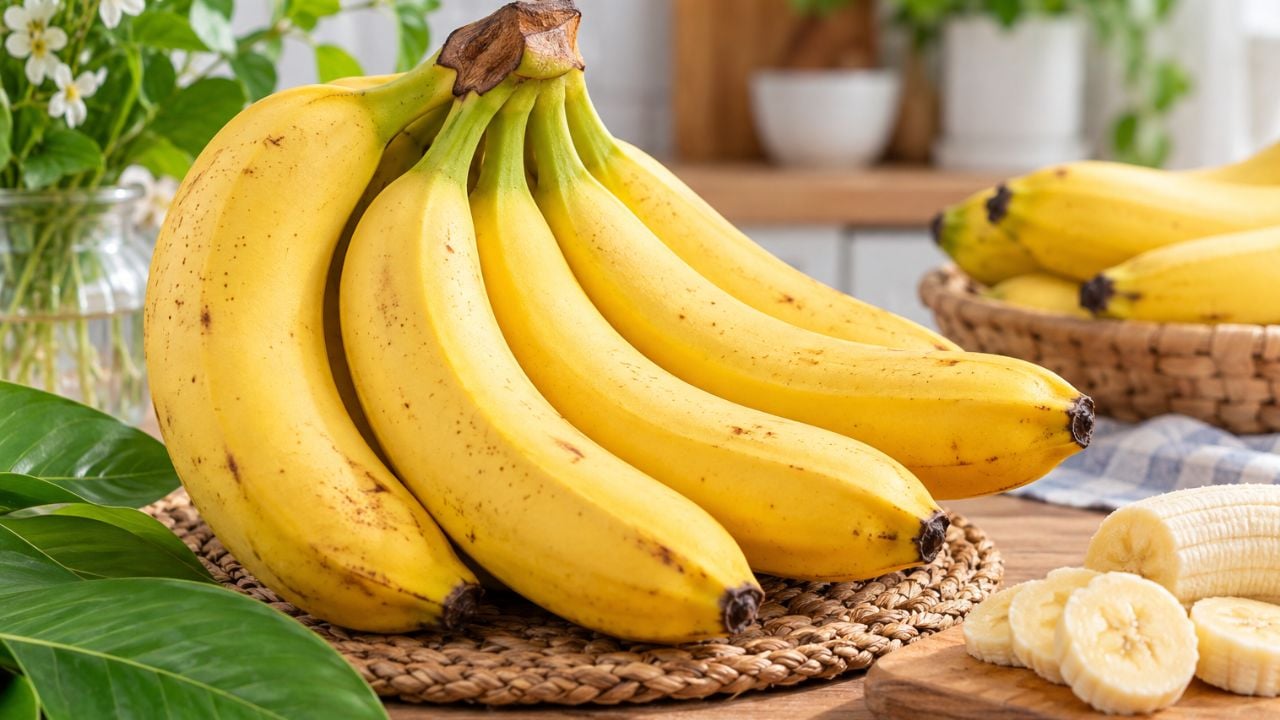
What About Blood Sugar?
This is one of the most common reasons people compare banana colors.
A very ripe banana generally contains more readily available sugar than a less-ripe banana because more starch has been converted during ripening.
However, the effect on blood glucose is not determined by ripeness alone.
Portion size, the individual's metabolism, overall meal composition, physical activity, and whether the banana is eaten alone or with protein, fat, or fiber can all influence the response.
For example, pairing a banana with Greek yogurt, nuts, seeds, or another protein-rich food may create a more balanced snack than eating a large amount of fruit by itself.
People with diabetes do not automatically need to avoid ripe bananas. Instead, portion size and individual glucose response are more useful considerations.
Which Banana Is Best for Digestion?
There is no universal answer.
Green bananas contain more resistant starch, which can be fermented by gut bacteria and may support a healthy intestinal environment. On the other hand, some people find unripe bananas harder to tolerate.
Yellow bananas are generally softer and easier to digest.
Very ripe bananas are even softer and may be particularly comfortable for people who prefer foods that require little chewing.
For someone with digestive sensitivity, the ideal ripeness depends on how the individual responds.
Your own digestive comfort is an important part of the answer.
Does Ripening Destroy the Nutrients?
Not entirely.
Bananas continue to provide important nutrients as they ripen.
The biggest changes are generally related to starch, sugar, texture, and flavor rather than the fruit becoming nutritionally empty.
Vitamin C can decline somewhat as fruit ripens and ages, but a ripe banana still provides useful nutrients.