Each stage has different characteristics.
Green bananas: higher in resistant starch, less sweet, firmer, and potentially more difficult for some people to digest.
Yellow bananas: balanced texture and sweetness, easy to eat, and a practical everyday choice.
Brown-spotted bananas: softer, sweeter, and useful for baking and smoothies, with more starch converted into sugars.
The differences make each stage useful for different purposes.
Instead of asking, “Which banana is healthiest?” a better question may be:
“Which banana best fits what I need right now?”
How to Choose the Right Banana for Your Needs
If your priority is resistant starch, a less-ripe banana may be more appealing.
If you want a simple everyday snack, a yellow banana is an easy choice.
If you want natural sweetness for baking or smoothies, a brown-spotted banana may be ideal.
If you have blood-glucose concerns, pay attention to ripeness, portion size, and what you eat alongside the banana.
And if you have digestive sensitivity, choose the ripeness that your body tolerates best rather than forcing yourself to follow a particular nutrition trend.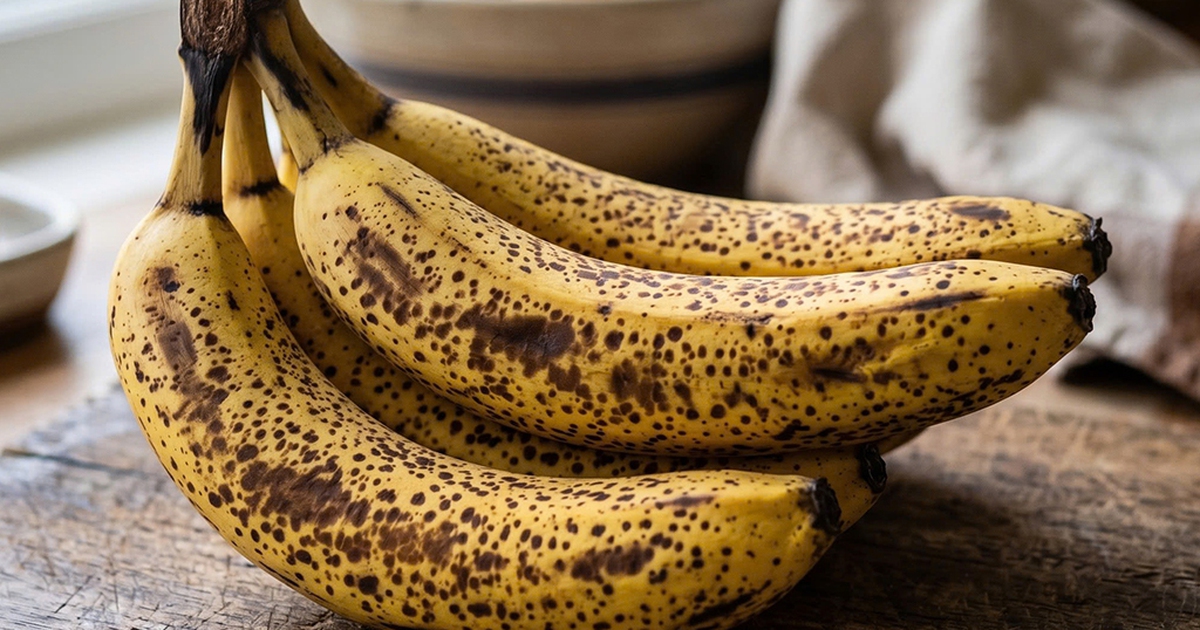
Green, yellow, and brown bananas are not three different foods. They are the same fruit at different stages of ripeness and that ripening process changes their texture, sweetness, and carbohydrate composition.
Green bananas contain more resistant starch and less readily available sugar.
Yellow bananas offer a balanced combination of sweetness, texture, and convenience.
Brown-spotted bananas are softer and sweeter and can be especially useful in smoothies and baking.
There is no single banana color that is healthiest for everyone.
The best choice depends on your dietary goals, digestive comfort, blood-glucose needs, and personal preference.
So the next time you see a banana changing color on the counter, don't automatically think it has become less nutritious.
A green banana has its advantages.
A yellow banana has its place.
And a brown-spotted banana may be exactly what you need for your next smoothie or homemade banana bread.
The healthiest banana is often the one that fits comfortably into an overall balanced diet and that you will actually enjoy eating.
The Banana Ripeness Guide: What Changes as Your Banana Turns Green, Yellow, or Brown?
The next time you reach for a banana, you may want to look at more than just its color.
That familiar yellow fruit sitting in your kitchen is constantly changing. From the moment a banana is harvested, its starches, sugars, texture, aroma, and appearance gradually evolve. What looks like a simple change from green to yellow to brown is actually a complex biological process.
And that process can influence how the banana tastes, how easily it is digested, how it works in recipes, and how its carbohydrates are made available to the body.
This doesn't mean you need to become obsessed with finding the "perfect" banana.
In fact, one of the most useful lessons is the opposite:
You can choose different stages of ripeness for different reasons.
A firmer banana can work well when you want something less sweet. A classic yellow banana is convenient for everyday snacking. A heavily spotted banana can become one of the best ingredients in your kitchen when you want natural sweetness.
The key is understanding what is actually changing—and what isn't.