Fish is often praised as one of the healthiest foods in the world. It provides high-quality protein, omega-3 fatty acids, and essential nutrients that support the heart and brain. But the image headline delivers a serious warning: “WHO warns: Stop immediately if you are eating too much of these four types of fish.”
Before we dive in, one important clarification: the World Health Organization (WHO) and other major health authorities generally do not tell people to stop eating fish entirely. Instead, they warn about eating too much of certain fish that may contain higher levels of mercury and other pollutants. The key message is balance—choose safer fish, limit risky species, and protect vulnerable groups like pregnant women and children.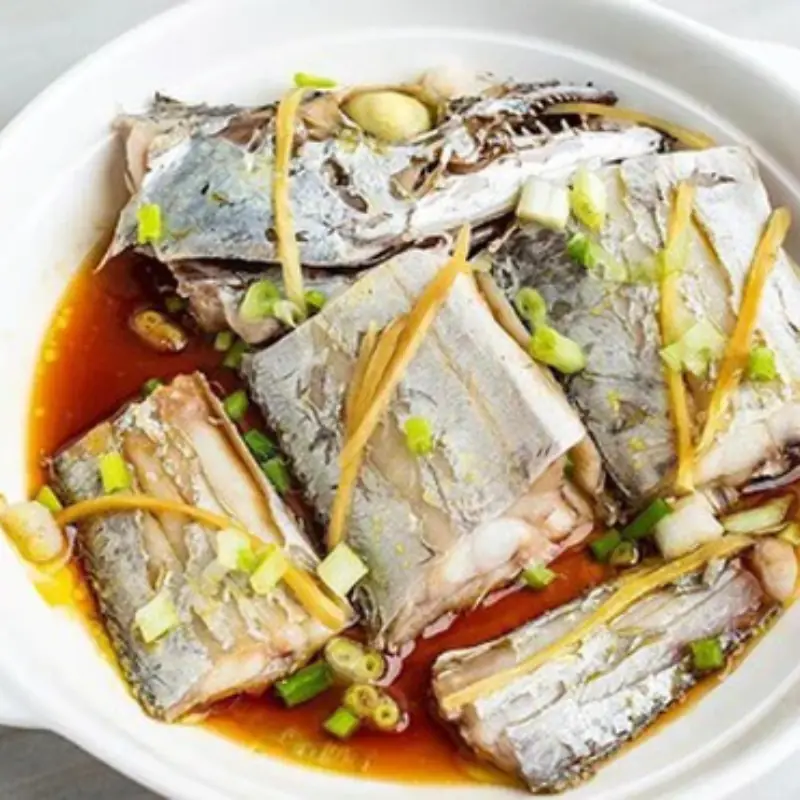
Why Some Fish Can Be Risky
Fish live in oceans, rivers, and lakes that may be affected by industrial pollution. Over time, toxins such as methylmercury, PCBs, and dioxins can accumulate in water systems. When small fish eat plankton and larger fish eat smaller fish, harmful substances become more concentrated—this is known as bioaccumulation.
As a result, large predatory fish tend to have the highest mercury levels. Mercury is a heavy metal that can harm the nervous system, and excessive exposure is especially concerning for developing brains.
1) Shark: A High-Mercury Predator
Shark is often considered an exotic delicacy, but it is also one of the fish most commonly linked with high mercury content. Because sharks are apex predators and live for many years, they accumulate more toxins than smaller fish.
Eating shark occasionally may not cause immediate harm for most adults, but frequent consumption can increase mercury exposure. For pregnant women, breastfeeding mothers, and small children, shark is often listed among the fish to avoid.
Safer choice: salmon, sardines, trout.
2) Swordfish: Popular, But Not a “Daily Fish”
Swordfish is another large predator known for elevated mercury levels. Its firm texture and rich taste make it popular in restaurants, but many health guidelines advise limiting swordfish to occasional servings.
Eating too much swordfish may raise risks of mercury buildup in the body, potentially affecting memory, mood, and nervous system function over time. The risk depends on portion size and frequency—meaning one meal is not the same as repeated weekly intake.
Safer choice: cod, haddock, pollock.
3) King Mackerel: Not the Same as “Small Mackerel”
This is where many people get confused. Mackerel can be very healthy—but not all types are equal. Smaller mackerel varieties are generally safe and nutritious. However, king mackerel is larger and tends to contain much higher mercury concentrations.
Because of this, king mackerel is often included in “limit or avoid” lists for vulnerable groups. When buying at markets, it’s important to ask what type of mackerel it is.
Safer choice: Atlantic mackerel (smaller), sardines.
4) Tilefish (Certain Regions): A Mercury Hotspot
Tilefish is less common in everyday meals, but it frequently appears in health advisories because some tilefish species—especially those from certain regions—can contain very high mercury levels.
This doesn’t mean tilefish is “poison,” but it does mean it should not be eaten frequently. If you cannot verify the fish type and origin, it’s safer to choose low-mercury options.
Safer choice: anchovies, herring, salmon.