Have you ever peeled a hard-boiled egg, sliced it open, and noticed a strange greenish-gray ring surrounding the yolk?
If so, you're not alone.
Many people assume that the green ring means the egg has spoiled, contains harmful chemicals, or is no longer safe to eat. Fortunately, none of those assumptions are true. In most cases, the green ring is simply the result of a natural chemical reaction that occurs during cooking.
The good news is that eggs with a green ring are usually perfectly safe to eat. The even better news is that understanding why it happens can help you prevent it and consistently make better-looking hard-boiled eggs.
Let's explore the science behind this common kitchen mystery.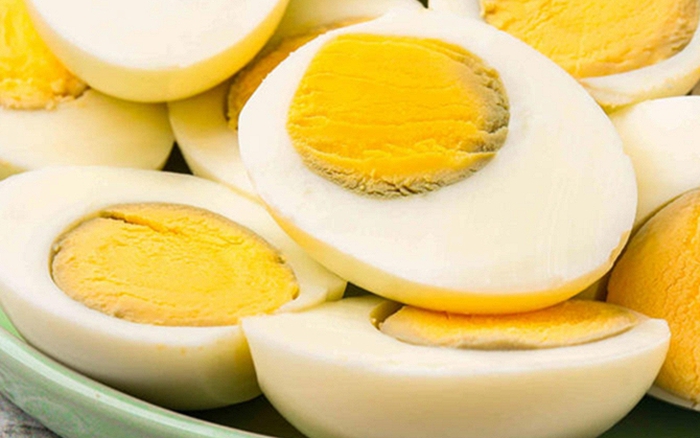
What Causes the Green Ring?
The green or gray ring forms when sulfur in the egg white reacts with iron in the egg yolk.
During cooking, proteins in the egg white release sulfur compounds.
When eggs are exposed to high temperatures for too long, hydrogen sulfide gas can form inside the egg.
This sulfur then reacts with iron naturally present in the yolk, creating a compound called ferrous sulfide.
Ferrous sulfide appears as a greenish-gray layer around the outside of the yolk.
The result is the distinctive ring many people notice after boiling eggs.
Is the Green Ring Dangerous?
One of the most common questions is whether the green ring indicates that the egg is unsafe.
The answer is generally no.
The ring is:
- Harmless
- Natural
- Common
- Not a sign of spoilage
An egg with a green ring still contains the same protein, vitamins, and minerals as other hard-boiled eggs.
The appearance may not be ideal, especially for recipes that showcase sliced eggs, but the egg itself remains safe to eat if it has been stored properly.
Why Does Overcooking Increase the Risk?
The longer an egg remains exposed to heat, the more likely the sulfur-iron reaction becomes.
This is why the green ring is often associated with overcooked eggs.
Common causes include:
- Boiling eggs for too long
- Leaving eggs in hot water after cooking
- Using excessively high cooking temperatures
The reaction becomes more noticeable as cooking time increases.
Even a few extra minutes can make a difference.
Do Older Eggs Develop Green Rings More Easily?
Age can sometimes play a role.
Older eggs tend to have:
- Higher pH levels in the egg white
- Slightly different protein behavior during cooking
These changes may make the sulfur reaction somewhat more likely.
However, overcooking remains the primary cause.
Fresh and older eggs can both develop green rings if heated excessively.
Does the Green Ring Affect Taste?
Usually only slightly.
Most people find that eggs with a green ring taste very similar to properly cooked eggs.
However, overcooked eggs may sometimes develop:
- A stronger sulfur odor
- A slightly drier texture
- A more crumbly yolk
The green ring itself does not create a dramatically different flavor, but the overcooking that causes it can affect texture and taste.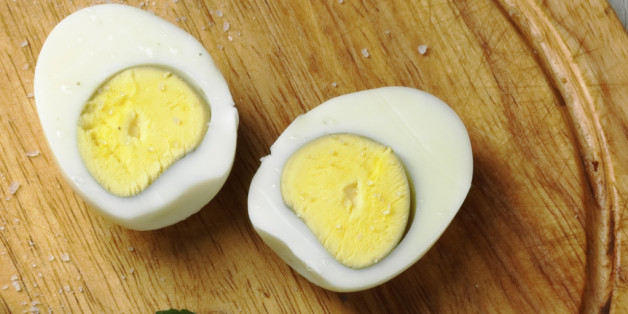
Why Do Some Eggs Smell More Sulfurous?
Eggs naturally contain sulfur-containing amino acids.
When exposed to prolonged heat, these compounds break down and release hydrogen sulfide gas.
This explains why overcooked eggs often produce a stronger "eggy" smell.
The odor is related to the same chemical processes that create the green ring.
How to Prevent the Green Ring
Fortunately, avoiding the green ring is relatively simple.
Don't Overcook the Eggs
One of the most effective strategies is controlling cooking time.
Many cooks recommend:
- Place eggs in a pot.
- Cover with cold water.
- Bring the water to a gentle boil.
- Remove from heat.
- Cover the pot.
- Allow eggs to sit in the hot water for the appropriate amount of time.
This method reduces the risk of excessive heat exposure.
Cool Eggs Quickly
Rapid cooling helps stop the cooking process.
After cooking:
- Drain the hot water.
- Transfer eggs to an ice bath.
- Allow them to cool for several minutes.
The cold water prevents residual heat from continuing to cook the eggs.
Avoid Continuous Vigorous Boiling
Aggressive boiling can expose eggs to unnecessary heat.
Gentler cooking often produces better results.
Ideal Hard-Boiled Egg Texture
Many people aim for a yolk that is:
- Fully cooked
- Bright yellow
- Creamy
- Free of green discoloration
Achieving this balance requires enough heat to cook the yolk safely but not so much that the sulfur-iron reaction becomes pronounced.
Timing is often the key factor.
Other Common Egg Myths
Myth #1: The Green Ring Means the Egg Is Rotten
False.
The green ring results from cooking chemistry, not spoilage.
Myth #2: Green-Ringed Eggs Are Unsafe
False.
Properly stored eggs with green rings are generally safe to eat.
Myth #3: Only Cheap Eggs Develop Green Rings
False.
The reaction can occur in any egg if cooking conditions are right.
Myth #4: The Ring Means Too Much Iron
False.
The iron involved is naturally present in egg yolks and is not a sign of contamination.
Nutritional Value Remains Largely Unchanged
Even when a green ring develops, hard-boiled eggs remain a highly nutritious food.
Eggs provide:
- High-quality protein
- Vitamin B12
- Vitamin D
- Selenium
- Choline
- Essential amino acids
The chemical reaction responsible for the ring does not significantly reduce the egg's nutritional value.
Why Professional Chefs Avoid Green Rings
In restaurants and food photography, appearance matters.
A bright yellow yolk looks:
- Fresher
- More appetizing
- More visually appealing
This is why chefs often pay close attention to cooking times and cooling methods.
Egg salads, deviled eggs, and decorative platters all benefit from yolks that remain vibrant yellow.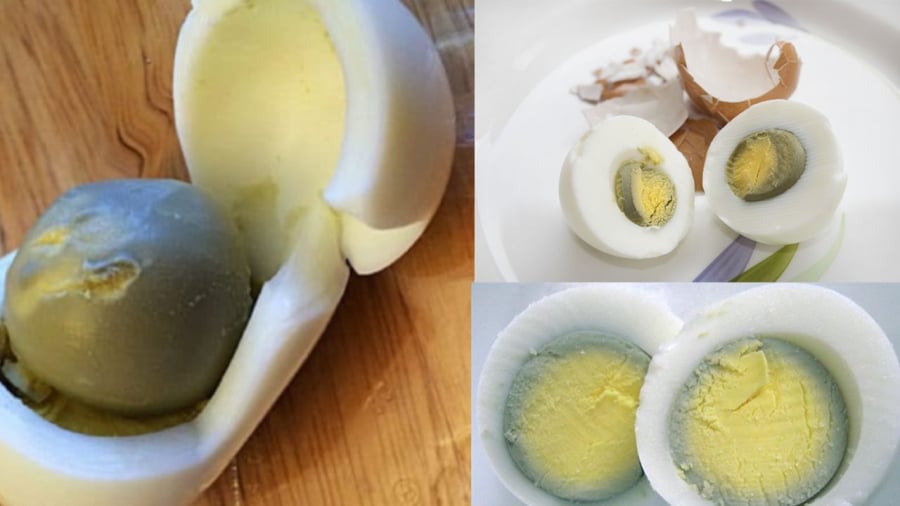
The Bottom Line
The green ring around a hard-boiled egg yolk may look unusual, but it's usually nothing to worry about. It forms when sulfur from the egg white reacts with iron in the yolk during prolonged heating, creating a harmless compound called ferrous sulfide.
Although the ring is safe to eat, it often indicates that the egg has been slightly overcooked. By controlling cooking time, avoiding excessive heat, and cooling eggs promptly after cooking, you can reduce the chances of this reaction occurring.
The next time you slice open a hard-boiled egg and spot that greenish edge, you'll know exactly what's happening and you'll have the knowledge to make picture-perfect eggs the next time around.