Salmon has long been considered one of the healthiest fish to include in a balanced diet. Rich in omega-3 fatty acids, high-quality protein, and essential vitamins, salmon is widely recommended by nutritionists and health organizations around the world. It is often praised for supporting heart health, brain function, and overall wellbeing.
However, in recent years some experts have begun raising concerns about certain aspects of salmon consumption. These concerns are not necessarily about the fish itself, but rather about how salmon is produced, processed, and consumed today. Environmental issues, farming practices, contamination risks, and sustainability challenges have all contributed to ongoing discussions about the role of salmon in modern diets.
Understanding these concerns does not mean that salmon must be completely avoided. Instead, it helps consumers make informed decisions about the types of salmon they choose and how often they consume it.
Below are several reasons why some experts have raised concerns regarding salmon consumption.

The Difference Between Wild and Farmed Salmon
One of the most important issues often discussed by experts is the difference between wild salmon and farmed salmon.
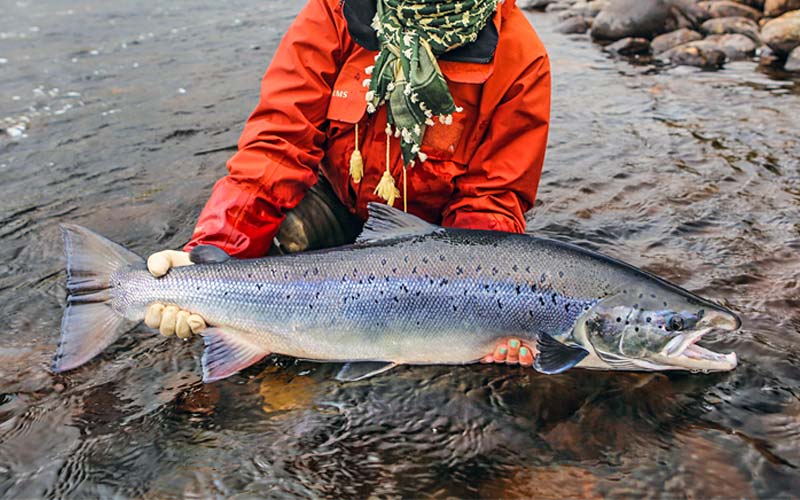
Wild salmon live in natural ocean environments and feed on natural diets. Farmed salmon, on the other hand, are raised in aquaculture facilities where they are kept in large underwater enclosures and fed specially formulated feed.
Today, the majority of salmon sold in markets worldwide comes from fish farms rather than from wild populations.
While fish farming helps meet the global demand for seafood, it has also raised concerns about environmental impact, fish health, and product quality.
Concerns About Environmental Impact
Aquaculture, including salmon farming, can have environmental consequences when not managed properly.
Some environmental experts point out that fish farms may contribute to:
-
Water pollution from waste and uneaten feed
-
Spread of diseases among fish populations
-
Interaction between farmed and wild fish
-
Ecosystem disruption in coastal waters
In certain cases, farmed salmon that escape from their enclosures may interact with wild populations, potentially affecting genetic diversity.
Because of these issues, environmental groups often encourage responsible and sustainable aquaculture practices.
Potential Contaminants in Some Farmed Fish
Another concern sometimes mentioned by experts involves the presence of environmental contaminants in certain fish.
Fish can accumulate substances such as:
-
Heavy metals
-
Industrial pollutants
-
Chemical residues
These contaminants usually come from the surrounding water or from the feed used in aquaculture operations.
It is important to note that regulatory agencies in many countries monitor seafood products and establish safety standards to ensure that contaminant levels remain within acceptable limits.
However, concerns about contamination have led some experts to recommend choosing seafood from reputable sources and trusted suppliers.

Antibiotic and Chemical Use in Aquaculture
In some fish farming systems, antibiotics or other treatments may be used to prevent disease among densely populated fish stocks.
While many countries strictly regulate the use of antibiotics in aquaculture, improper management in certain regions has raised concerns about antibiotic resistance and chemical residues.
Responsible aquaculture operations now focus on improving fish health through better water quality, improved feed, and disease management practices that reduce the need for medication.
Consumers who wish to avoid these concerns may choose salmon labeled as responsibly farmed or certified by sustainability organizations.
Nutritional Differences Between Farmed and Wild Salmon
Farmed salmon and wild salmon differ slightly in their nutritional composition.
Farmed salmon often contains higher levels of fat because of its controlled diet and limited movement. This can lead to higher calorie content compared with wild salmon.
Wild salmon, on the other hand, tends to have:
-
Lower overall fat content
-
Slightly different fatty acid composition
-
Leaner meat texture
Both types of salmon still provide beneficial omega-3 fatty acids, but some consumers prefer wild salmon due to its natural feeding environment.
Sustainability Concerns
Sustainability is another important issue related to salmon consumption.
Wild salmon populations in certain regions have declined due to factors such as:
-
Overfishing
-
Climate change
-
Habitat loss
-
Pollution
Because of these pressures, responsible fishing practices and conservation efforts are essential to protect natural salmon populations.
Many environmental organizations now recommend choosing seafood certified by programs that promote sustainable fishing and responsible aquaculture.
Mislabeling and Seafood Transparency
Seafood labeling can sometimes create confusion for consumers.
In some cases, fish labeled as wild may actually be farmed, or the origin of the fish may not be clearly stated. Mislabeling can make it difficult for consumers to know exactly what they are purchasing.
To address this issue, experts recommend buying seafood from reliable sources and checking for certifications that indicate responsible sourcing.
Transparency in seafood supply chains helps consumers make better decisions about the products they buy.
The Importance of Balanced Perspective
While concerns about salmon production exist, it is important to maintain a balanced perspective.
Salmon remains a nutritious source of protein, omega-3 fatty acids, vitamin D, and essential nutrients. Many health organizations continue to recommend including fish in the diet because of its benefits for cardiovascular health and overall nutrition.
Rather than eliminating salmon entirely, experts often encourage consumers to focus on:
-
Choosing sustainably sourced seafood
-
Moderating consumption
-
Including a variety of protein sources in the diet
A balanced approach helps maintain both personal health and environmental responsibility.
Tips for Choosing Healthier Salmon
Consumers who wish to continue eating salmon while addressing potential concerns can consider several practical tips.
Helpful guidelines include:
-
Look for seafood certified by sustainability programs
-
Choose wild-caught salmon when available
-
Buy seafood from reputable suppliers
-
Include a variety of fish and seafood in the diet
-
Pay attention to product labels and sourcing information
These steps can help ensure that seafood choices support both personal health and environmental sustainability.
Final Thoughts
Salmon has long been recognized as one of the most nutritious fish available, offering valuable nutrients that support heart health, brain function, and overall wellbeing. However, modern concerns related to aquaculture practices, environmental impact, contamination risks, and sustainability have prompted experts to encourage more thoughtful seafood choices.
The goal is not necessarily to avoid salmon entirely, but to understand how it is produced and to choose responsibly sourced options whenever possible.
By staying informed and making mindful dietary decisions, consumers can continue to enjoy the nutritional benefits of seafood while supporting healthier oceans and sustainable food systems.