Many people are surprised when they suddenly notice small yellow or whitish lumps coming from their mouth. These tiny, irregular pieces—similar to those shown in the image—can look strange and even alarming. Although they may appear harmless at first glance, they can actually be a sign that something in your oral health needs attention. Understanding what these lumps are and why they appear can help you protect your health and prevent potential problems.
What Are These Small Yellow Lumps?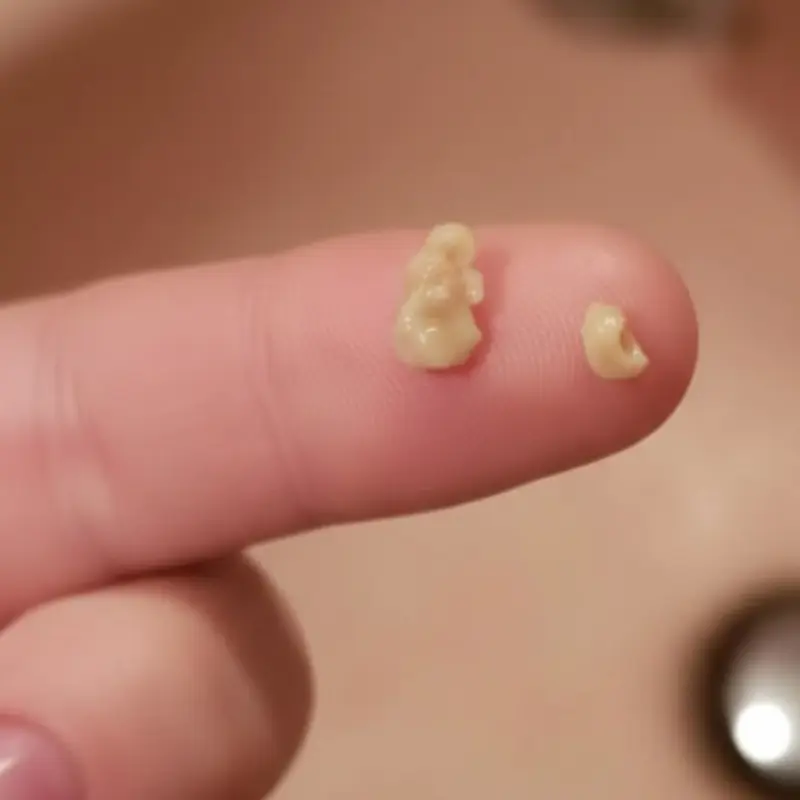
The small yellowish pieces that sometimes appear in the mouth are most commonly tonsil stones, medically known as tonsilloliths. These formations develop in the small crevices or pockets of the tonsils located at the back of the throat.
Tonsil stones are made from a combination of substances, including:
-
Food particles
-
Dead cells from the mouth and throat
-
Bacteria
-
Mucus
-
Minerals such as calcium
Over time, these materials can become trapped in the tonsil crevices. As bacteria break them down, they can harden into small stones that may eventually dislodge and appear in the mouth.
Although tonsil stones are usually small, some can grow larger and cause noticeable discomfort.
Why Do Tonsil Stones Form?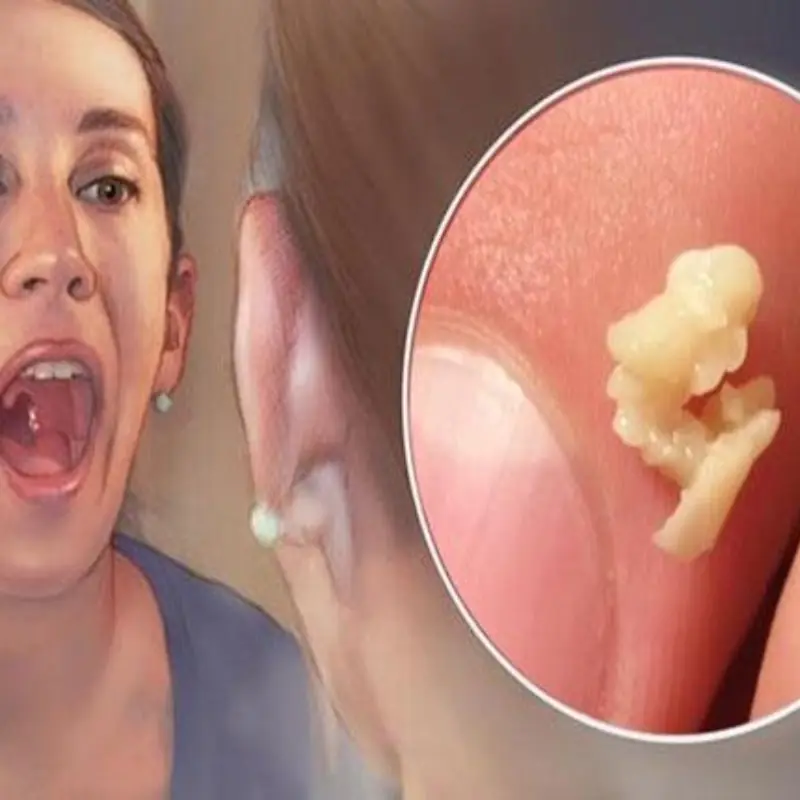
There are several factors that contribute to the formation of tonsil stones. One of the most common causes is poor oral hygiene. When the mouth is not cleaned properly, bacteria and food particles remain in the oral cavity, increasing the likelihood of debris becoming trapped in the tonsils.
Other contributing factors include:
1. Large or cryptic tonsils
Some people naturally have deeper folds or pockets in their tonsils. These pockets make it easier for debris to accumulate.
2. Chronic tonsil inflammation
Frequent throat infections or chronic tonsillitis can lead to enlarged tonsils with deeper crevices where stones can form.
3. Post-nasal drip or excess mucus
Excess mucus from allergies or sinus issues can contribute to the buildup of materials that eventually form stones.
4. Bacterial growth in the mouth
The mouth contains hundreds of bacterial species. When these bacteria interact with trapped debris, they can produce sulfur compounds that harden into tonsil stones.
Signs and Symptoms to Watch For
Not everyone who develops tonsil stones experiences symptoms. In many cases, they are small and go unnoticed. However, some people may experience several warning signs.
Common symptoms include:
-
Persistent bad breath (halitosis)
-
A feeling that something is stuck in the throat
-
Sore throat or throat irritation
-
Difficulty swallowing
-
Ear pain in some cases
-
Visible white or yellow lumps near the tonsils
Bad breath is often the most noticeable symptom because tonsil stones contain bacteria that produce foul-smelling sulfur compounds.
Are Tonsil Stones Dangerous?
In most cases, tonsil stones are not dangerous. They are generally considered a minor health issue rather than a serious medical condition. However, they can still cause discomfort and embarrassment due to bad breath.
In rare cases, very large tonsil stones can lead to complications such as:
-
Persistent throat pain
-
Difficulty swallowing
-
Infection in the tonsils
If stones become frequent or grow large, it may indicate an underlying issue with the tonsils that should be evaluated by a healthcare professional.
How to Prevent Tonsil Stones
Fortunately, there are several simple steps that can significantly reduce the risk of developing tonsil stones.
1. Maintain good oral hygiene
Brush your teeth at least twice a day and floss regularly to remove food particles and bacteria.
2. Clean your tongue
Bacteria often accumulate on the tongue, so using a tongue scraper or brushing your tongue can help.
3. Gargle with salt water or mouthwash
Gargling can help dislodge debris trapped in the tonsils and reduce bacteria.
4. Stay hydrated
Drinking plenty of water helps wash away food particles and bacteria in the mouth.
5. Treat sinus or allergy problems
Reducing mucus buildup can help prevent materials from accumulating in the tonsils.
When Should You See a Doctor?
While tonsil stones are usually harmless, you should consider seeing a doctor if you experience:
-
Severe throat pain
-
Frequent recurrence of stones
-
Difficulty swallowing
-
Swelling or infection in the tonsils
A medical professional may recommend treatments such as medicated gargles, removal procedures, or in severe cases, tonsil removal.