How to Recognize and Prevent a Pinworm Infection
Pinworm infection is one of the most common intestinal infections, especially among children. Although it is usually not dangerous, it can cause significant discomfort and spread easily within households, schools, and daycare centers. Understanding how to recognize the symptoms and prevent infection is the best way to protect yourself and your family.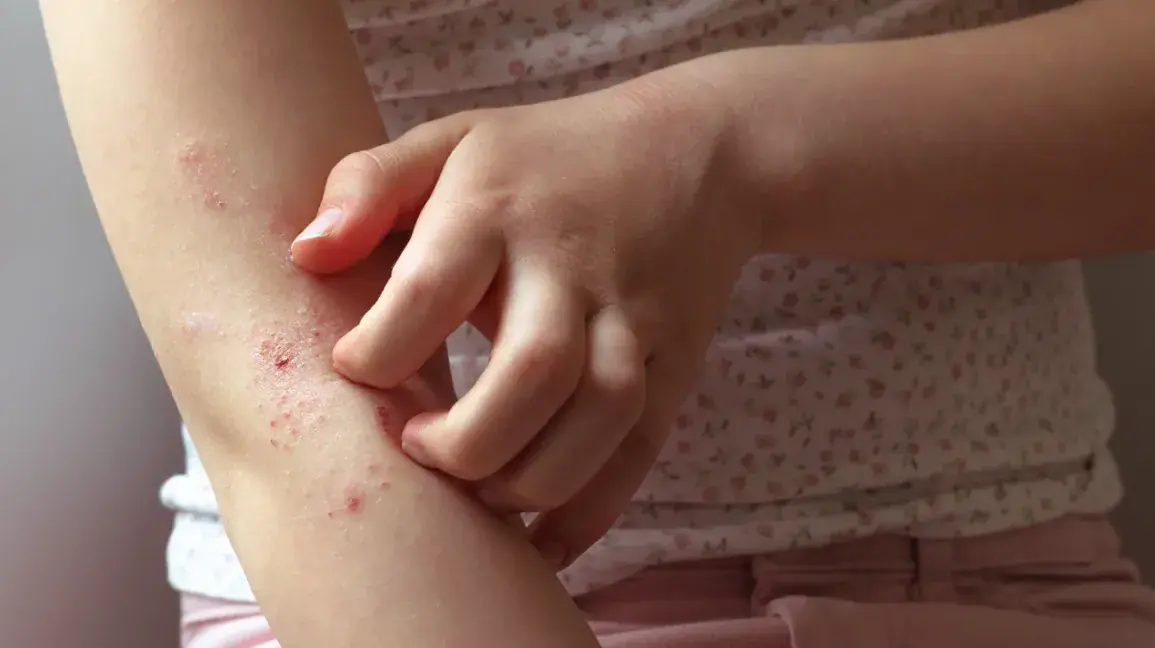
What Are Pinworms?
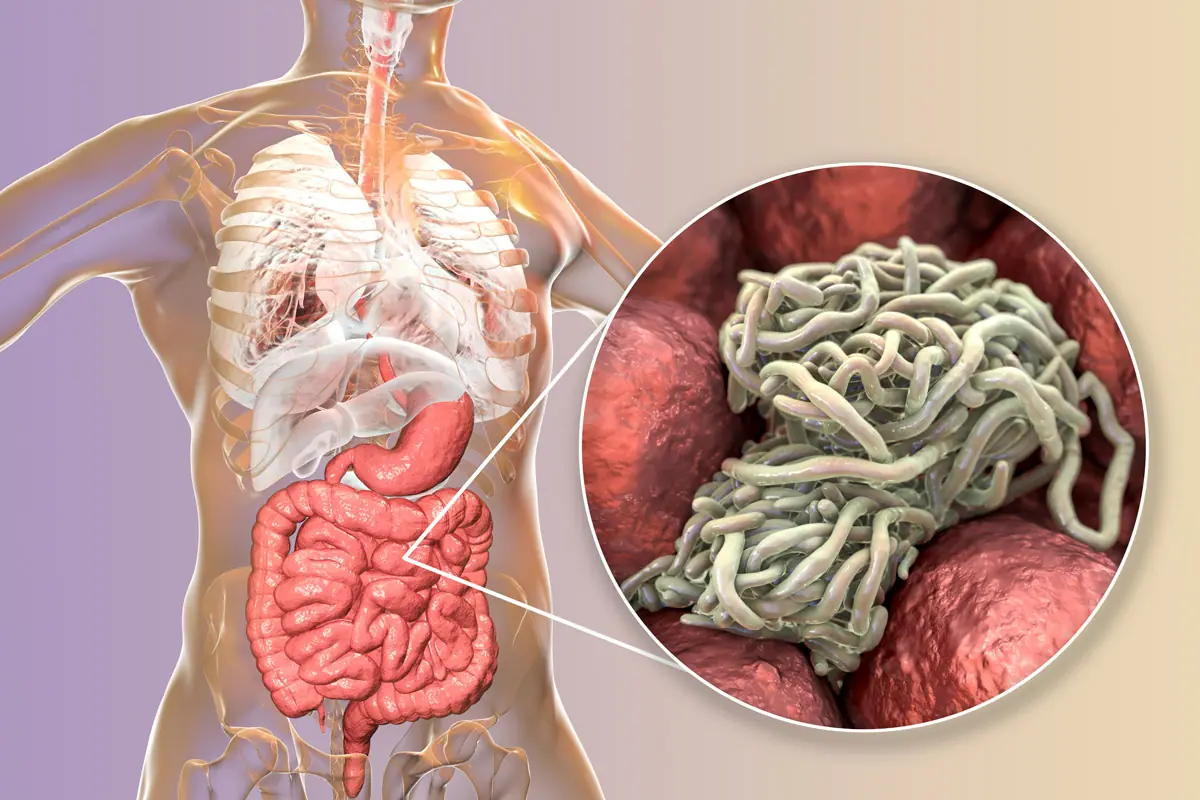
Pinworms are tiny, thin, white parasitic worms that live in the human intestines. They are very small—usually about the length of a staple—and are most active at night. While anyone can become infected, pinworms are particularly common in children between the ages of 5 and 10.
Pinworm infections occur when the microscopic eggs of the worms enter the body, usually through contaminated hands, food, or surfaces. Once swallowed, the eggs hatch in the intestines and eventually grow into adult worms.
Common Signs of a Pinworm Infection
The most recognizable symptom of a pinworm infection is intense itching around the anus, especially at night. This happens because female worms come out of the intestines while a person sleeps to lay their eggs on the skin around the anal area.
Other possible symptoms include:
-
Restless sleep or frequent waking during the night
-
Irritability or difficulty concentrating
-
Redness or irritation around the anal area
-
Occasional stomach discomfort
-
Loss of appetite
-
In some cases, visible tiny white worms around the anal area or in stool
Children may also scratch the area frequently, which can lead to skin irritation or secondary infections.
How Pinworm Infections Spread
Pinworms spread very easily. When a person scratches the itchy area, the microscopic eggs can stick to their fingers and under their fingernails. From there, the eggs can transfer to:
-
Bedding
-
Clothing
-
Toys
-
Bathroom surfaces
-
Food or utensils
If someone else touches these contaminated items and then touches their mouth, they can swallow the eggs and become infected. This is why pinworm infections can quickly spread among family members.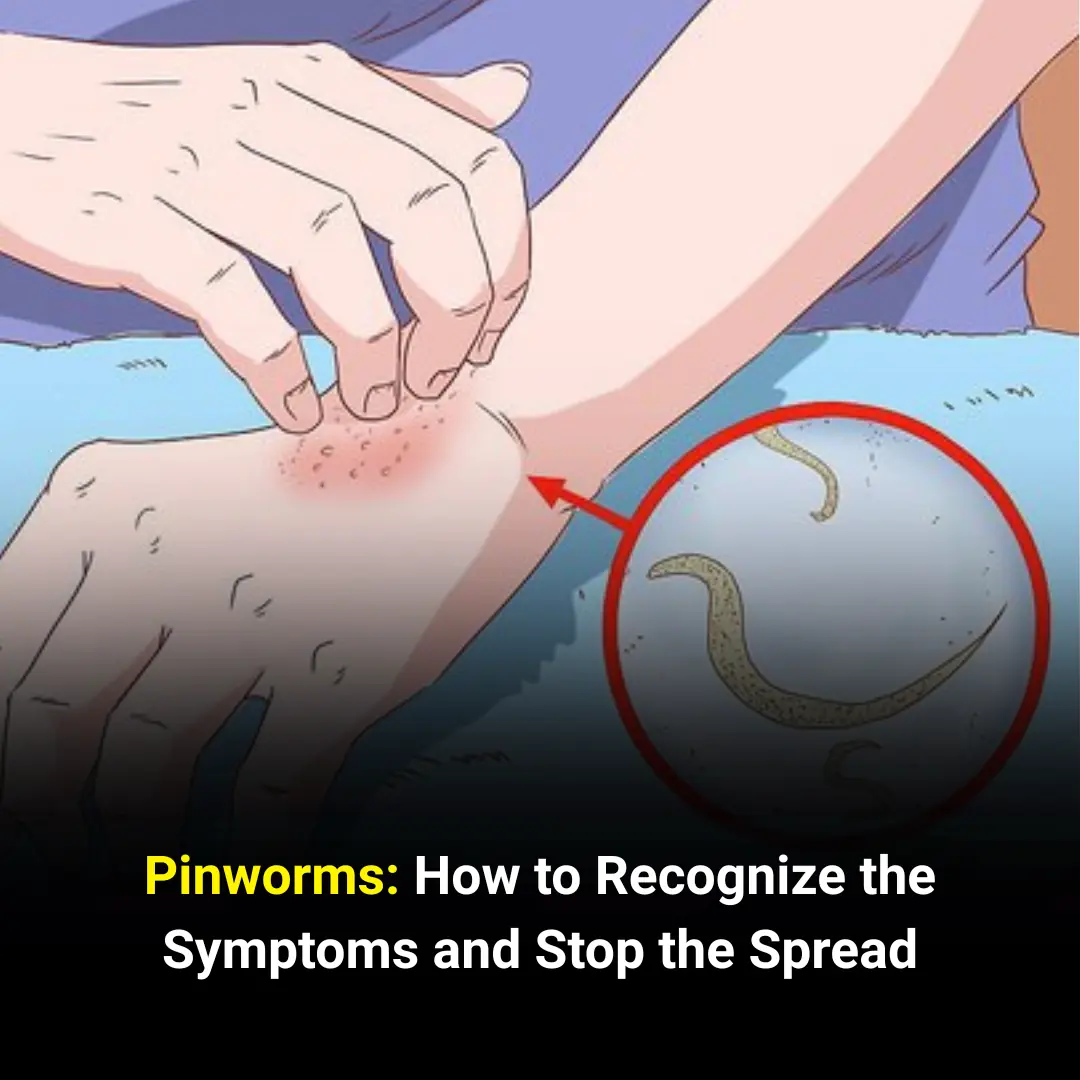
How Pinworm Infections Are Diagnosed
Doctors often diagnose pinworm infections using a simple method called the “tape test.” A piece of clear tape is pressed against the skin around the anus early in the morning before bathing or using the bathroom. The tape is then examined under a microscope to check for pinworm eggs.
This test may need to be repeated over several days to confirm the diagnosis.
Effective Treatment Options
Pinworm infections are usually easy to treat. Doctors typically prescribe antiparasitic medications that kill the worms. In many cases, everyone in the household may need to take the medication to prevent reinfection.
Common treatment steps include:
-
Taking the prescribed medication as directed
-
Washing bedding, clothes, and towels in hot water
-
Cleaning frequently touched surfaces
-
Practicing strict hygiene during the treatment period
A second dose of medication is often recommended two weeks later to eliminate any newly hatched worms.
How to Prevent Pinworm Infections
Good hygiene is the most effective way to prevent pinworm infections and stop them from spreading. Simple habits can make a big difference.
Here are some important preventive measures:
Wash hands frequently.
Always wash hands thoroughly with soap and water after using the bathroom, changing diapers, and before eating.
Keep fingernails short and clean.
Short nails make it harder for eggs to hide under them.
Avoid scratching the anal area.
This helps prevent the spread of eggs to hands and surfaces.
Shower every morning.
Bathing in the morning can remove eggs that were laid during the night.
Wash bedding regularly.
Sheets, pajamas, and underwear should be washed frequently in hot water.
Encourage children to practice good hygiene.
Teaching kids proper handwashing habits is especially important in preventing infection.
When to See a Doctor
If you notice persistent itching around the anal area, especially in children, or if you suspect a pinworm infection, it is best to consult a healthcare professional. Early treatment can relieve symptoms quickly and prevent the infection from spreading to others.
Final Thoughts
Although pinworm infections are common and can be unpleasant, they are usually easy to treat and prevent. By recognizing the symptoms early and maintaining good hygiene practices, you can greatly reduce the risk of infection and keep your household healthy.