Sleep is one of the most essential components of a healthy lifestyle. While many people focus on the number of hours they sleep, fewer people think about how they sleep. Interestingly, sleep position can have a meaningful impact on digestion, circulation, breathing, and overall comfort during the night.
Among the different sleeping positions - such as sleeping on the back, stomach, or side - many health experts suggest that sleeping on the left side may provide certain benefits for the body. This position is often recommended in various wellness discussions and is sometimes preferred by doctors for specific health conditions.
Although everyone has different comfort preferences, understanding how sleeping on the left side may affect the body can help people make more informed choices about their sleep habits.
Below are ten potential benefits of sleeping on your left side.
1. May Support Better Digestion
Sleeping on the left side may help the digestive system function more smoothly. The stomach and pancreas are located in positions that may allow gravity to assist digestion when lying on the left side.
This position may help food move more easily from the stomach into the small intestine. As a result, some people find that they experience less digestive discomfort during the night.
2. May Help Reduce Acid Reflux
Many people who experience acid reflux or heartburn notice that certain sleep positions can make symptoms worse.
Sleeping on the left side may help keep stomach acid lower than the esophagus, reducing the chance that acid flows back upward during sleep.
Because of this, some healthcare professionals recommend the left-side sleeping position for individuals who experience nighttime reflux symptoms.
3. May Improve Blood Circulation
Sleeping on the left side may also support healthy blood circulation throughout the body.
The heart pumps blood more efficiently when circulation is not restricted. Side sleeping can sometimes reduce pressure on major blood vessels, allowing blood to flow more freely.
Good circulation is important for delivering oxygen and nutrients to tissues and organs.
4. Often Recommended During Pregnancy
Pregnant women are often advised by healthcare providers to sleep on their left side.
This position may help improve blood flow to the placenta and fetus while also reducing pressure on the liver and other organs.
Sleeping on the left side during pregnancy may also support kidney function, helping reduce swelling in the feet and legs.
5. May Support Lymphatic Drainage
The lymphatic system plays an important role in removing waste and toxins from the body.
Some experts believe that sleeping on the left side may help support lymphatic drainage because the body's lymphatic system tends to drain more effectively toward the left side.
Although research on this topic continues, some people believe that this position helps support natural detoxification processes.
6. May Reduce Snoring
Snoring often occurs when airways become partially blocked during sleep.
Sleeping on the back can cause the tongue and soft tissues in the throat to fall backward, narrowing the airway. Side sleeping, including sleeping on the left side, may help keep the airway more open.
As a result, some individuals notice that snoring is reduced when they sleep on their side.

7. May Support Heart Function
Because the heart is located slightly toward the left side of the chest, sleeping on the left side may reduce pressure on the heart and support efficient circulation.
For some people, this position may feel more comfortable and may allow the heart to pump blood more easily throughout the body.
However, individual experiences may vary.
8. May Help Relieve Back Pain
Sleeping on the side can help maintain a more natural alignment of the spine compared with sleeping on the stomach.
When supported by a proper pillow and mattress, side sleeping may help reduce pressure on the lower back.
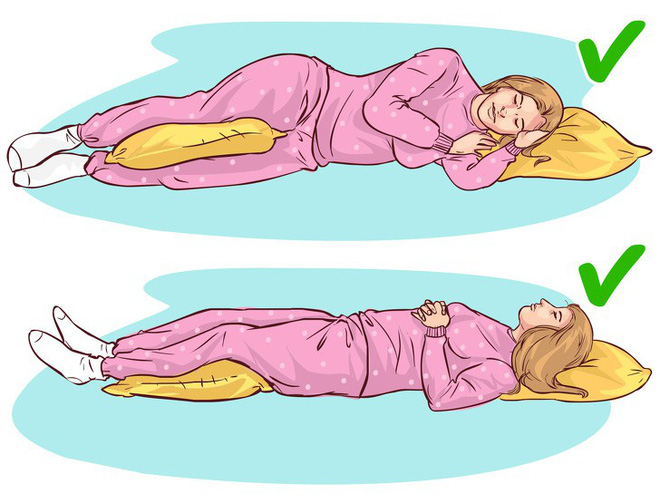
Some people also place a pillow between their knees to maintain spinal alignment and improve comfort.
9. May Improve Breathing Comfort
Side sleeping may help improve airflow compared with sleeping flat on the back.
People who experience mild breathing discomfort at night sometimes find that side sleeping allows the lungs to expand more easily.
This can make breathing feel more comfortable and relaxed during sleep.
10. May Support Better Sleep Quality
Comfort plays a major role in sleep quality. For many individuals, sleeping on the left side simply feels more natural and comfortable.
A comfortable sleep position can help reduce nighttime awakenings and promote deeper, more restful sleep.
Good sleep quality is essential for physical recovery, mental clarity, and overall health.
Tips for Sleeping Comfortably on Your Left Side
If you are interested in trying this sleep position, a few simple adjustments can help improve comfort.
Helpful tips include:
-
Use a supportive pillow that keeps the neck aligned with the spine
-
Place a pillow between the knees to reduce pressure on the hips
-
Choose a mattress that supports the natural curve of the spine
-
Avoid curling too tightly into a fetal position
These adjustments can help maintain proper posture while sleeping.
When Left-Side Sleeping May Not Be Ideal
Although many people benefit from sleeping on the left side, it may not be the best option for everyone.
Some individuals may experience shoulder discomfort or pressure if they remain on one side for too long. In these cases, alternating sides during the night may help reduce strain.
People with specific medical conditions should consult healthcare professionals for personalized sleep recommendations.
Final Thoughts
Sleep position is an often-overlooked aspect of overall health. While everyone has unique comfort preferences, sleeping on the left side may offer several potential benefits, including improved digestion, better circulation, reduced acid reflux, and greater comfort during pregnancy.
However, the most important factor is finding a sleep position that allows the body to relax and recover properly throughout the night.
By paying attention to sleep posture and making small adjustments when necessary, individuals can improve their sleep quality and support their overall wellbeing.