Yawning Is a Completely Normal Body Reaction—But Here's What It Could Sometimes Reveal
Yawning is something everyone does. Whether you're waking up in the morning, sitting through a long meeting, or getting ready for bed, an occasional yawn is perfectly normal. In fact, scientists believe yawning plays a role in helping regulate brain function and maintaining alertness, although its exact purpose is still being studied.
But what if you find yourself yawning over and over again throughout the day—even after a full night's sleep?
While excessive yawning is often harmless, it can sometimes be your body's way of signaling that something isn't quite right. Understanding the possible causes can help you determine whether it's simply time for more rest or whether it's worth discussing with a healthcare professional.
What Is Considered Excessive Yawning?
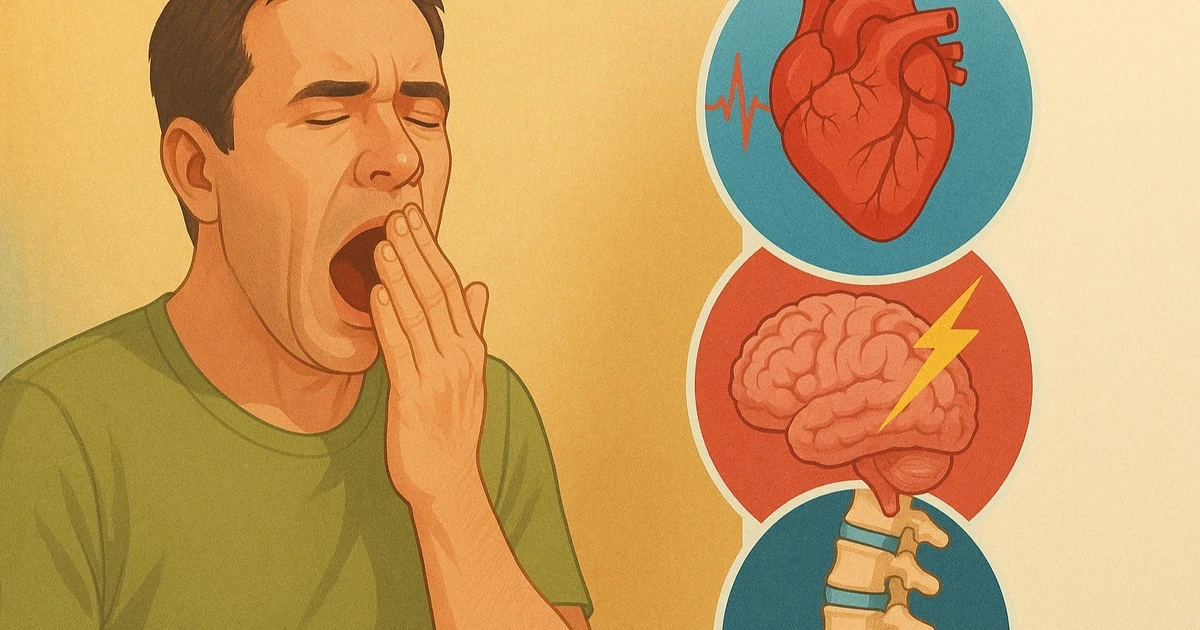
There isn't a specific number of yawns that defines "too much." However, if you're yawning frequently for no obvious reason, especially if it continues for days or weeks, it's worth paying attention.
Occasional yawning is normal. Persistent, unexplained yawning—particularly when accompanied by other symptoms—may deserve medical evaluation.
1. Sleep Deprivation
The most common cause of excessive yawning is simply not getting enough quality sleep.
Even if you're spending seven or eight hours in bed, poor sleep quality can leave your brain feeling fatigued throughout the day. Common reasons include:
- Staying up late regularly
- Insomnia
- Frequent nighttime awakenings
- Shift work
- Chronic stress
When your brain isn't fully rested, yawning becomes more frequent as your body tries to maintain alertness.
2. Sleep Apnea
Some people sleep through the night yet still wake up exhausted.
One possible reason is obstructive sleep apnea—a condition in which breathing repeatedly stops and starts during sleep. Because these interruptions often go unnoticed, many people don't realize they have the disorder.
Other symptoms may include:
- Loud snoring
- Morning headaches
- Dry mouth upon waking
- Daytime fatigue
- Difficulty concentrating
- Frequent yawning
Untreated sleep apnea may increase the risk of high blood pressure, heart disease, and other health problems, so persistent symptoms should be evaluated by a healthcare provider.
3. Stress and Anxiety

Mental health can also affect how often you yawn.
Periods of intense stress or anxiety may influence the nervous system and breathing patterns, sometimes leading to more frequent yawning.
You may also notice:
- Racing thoughts
- Muscle tension
- Rapid heartbeat
- Irritability
- Trouble sleeping
Managing stress through exercise, relaxation techniques, or professional support may help improve these symptoms.
4. Medication Side Effects
Certain medications have been associated with increased yawning.
These may include some:
- Antidepressants
- Anti-anxiety medications
- Drugs that affect the central nervous system
If you notice excessive yawning after starting a new medication, don't stop taking it on your own. Instead, speak with your healthcare provider about whether an adjustment is appropriate.
5. Neurological Conditions
Although uncommon, excessive yawning has occasionally been linked to neurological disorders that affect the brain or nervous system.
On its own, yawning is rarely a sign of a neurological disease. However, it becomes more concerning if it occurs alongside symptoms such as:
- Sudden weakness or numbness
- Difficulty speaking
- Loss of balance
- Vision changes
- Severe headache
- Confusion
These symptoms require immediate medical attention, as they could indicate a serious medical emergency.
6. Heart-Related Conditions
In rare cases, frequent yawning has been reported in association with certain heart conditions or changes involving the vagus nerve.
If excessive yawning occurs together with:
- Chest pain
- Shortness of breath
- Fainting
- Dizziness
- Irregular heartbeat
seek emergency medical care right away.
Is Yawning Caused by Low Oxygen?
Many people believe yawning occurs because the brain needs more oxygen. However, modern research has not consistently supported this theory.
Scientists now think yawning is likely influenced by several factors, including brain temperature regulation, transitions between sleep and wakefulness, and changes in alertness. The exact biological purpose of yawning is still being investigated.
When Should You See a Doctor?
Consider scheduling a medical evaluation if:
- You yawn excessively every day without a clear reason.
- You're constantly tired despite getting enough sleep.
- Your yawning is interfering with work or daily activities.
- You snore loudly or suspect sleep apnea.
- Your yawning is accompanied by chest pain, weakness, fainting, or other unusual symptoms.
A healthcare professional can help determine whether an underlying condition is contributing to your symptoms.
Tips to Reduce Excessive Yawning
If no medical condition is found, these healthy habits may help:
- Aim for 7–9 hours of quality sleep each night.
- Maintain a consistent sleep schedule.
- Stay physically active.
- Drink enough water throughout the day.
- Reduce stress through meditation, deep breathing, or regular exercise.
- Limit alcohol and excessive caffeine close to bedtime.
- Review your medications with your healthcare provider if symptoms began after starting a new prescription.
The Bottom Line

Yawning is a completely natural reflex and is usually nothing to worry about. Most cases are simply related to tiredness, boredom, or temporary fatigue.
However, if you're yawning excessively without an obvious explanation—especially if it's persistent or accompanied by other symptoms—it may be your body's way of telling you that something deserves closer attention. Paying attention to these signals and seeking medical advice when appropriate can help identify underlying health issues before they become more serious.
Disclaimer: This article is for informational purposes only and is not a substitute for professional medical advice, diagnosis, or treatment. If you experience persistent excessive yawning or concerning symptoms, consult a qualified healthcare professional.