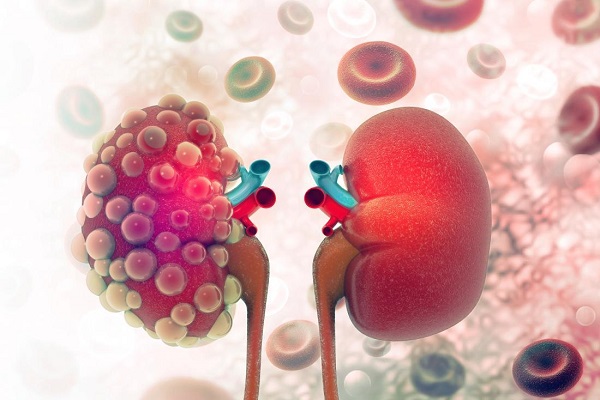
The kidneys are two small but extremely important organs that quietly work around the clock to keep the body balanced and healthy. They help filter waste products from the blood, regulate fluid levels, control blood pressure, balance minerals, and support red blood cell production.
One of the biggest dangers of kidney disease is that it often develops slowly and silently. Many people experience few obvious symptoms during the early stages, which means kidney problems may go unnoticed for months or even years. By the time severe symptoms appear, significant kidney damage may already have occurred.
The body, however, often sends subtle warning signs long before kidney disease becomes advanced. These signs are easy to dismiss because they may resemble common issues such as stress, fatigue, aging, dehydration, or poor sleep.
Recognizing possible early symptoms may help people seek medical evaluation sooner and protect long-term kidney health.
Why Kidney Health Matters
The kidneys perform several critical functions, including:
- Removing waste through urine
- Balancing fluids
- Regulating blood pressure
- Controlling electrolytes
- Supporting bone health
- Helping produce red blood cells
When kidney function declines, waste and excess fluid may begin building up inside the body.
Over time, kidney disease may affect:
- The heart
- Blood vessels
- Bones
- Nerves
- Energy levels
- Overall metabolism
1. Persistent Fatigue and Weakness
One of the earliest and most overlooked signs of kidney problems is ongoing fatigue.
People may feel:
- Constantly tired
- Weak
- Low on energy
- Mentally foggy
Healthy kidneys help support red blood cell production through a hormone called erythropoietin.
When kidney function declines, anemia may develop, reducing oxygen delivery throughout the body.
This may lead to:
- Exhaustion
- Difficulty concentrating
- Reduced physical endurance
Fatigue that persists without clear explanation deserves attention.
2. Swelling in the Feet, Ankles, or Hands
The kidneys help regulate fluid balance.
When kidney function becomes impaired, excess sodium and fluid may accumulate in the body.
People may notice:
- Puffy ankles
- Swollen feet
- Tight shoes
- Swelling in the hands or face
Swelling, also called edema, is a common symptom of declining kidney function.
Fluid retention may become more noticeable later in the day.
3. Changes in Urination
Urine changes are often among the clearest signs of kidney problems.
Possible changes may include:
- Urinating more often
- Urinating less often
- Foamy urine
- Dark urine
- Blood in urine
- Frequent nighttime urination
Foamy urine may sometimes indicate excess protein leaking into the urine, which can happen when kidney filters become damaged.
Any persistent changes in urination should be medically evaluated.
4. Persistent Itching
Kidney dysfunction may lead to waste buildup in the bloodstream.
This may contribute to:
- Dry skin
- Persistent itching
- Skin irritation
Kidney-related itching often:
- Feels widespread
- Persists despite moisturizing
- Occurs without obvious rash
Although itching has many possible causes, ongoing unexplained itching may sometimes reflect internal health problems.
5. Puffiness Around the Eyes
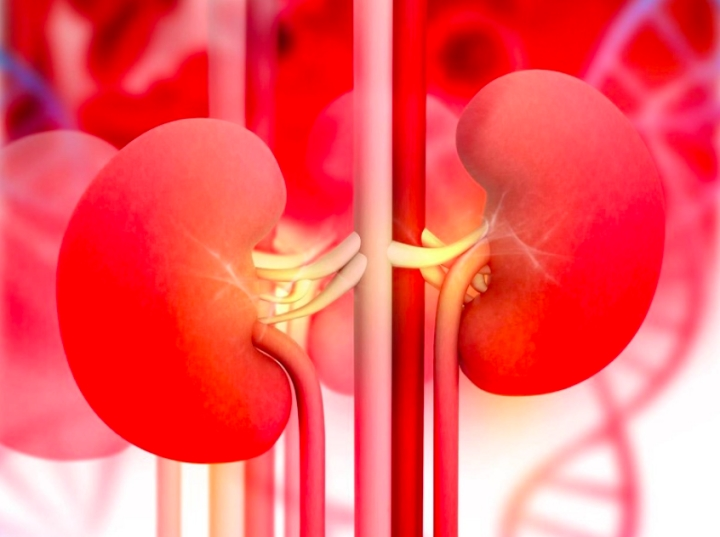
Swelling around the eyes may occasionally signal protein leakage from damaged kidneys.
People may notice:
- Puffy eyelids
- Swollen under-eye areas
- Facial puffiness in the morning
Protein loss through urine may alter fluid balance in the body.
This symptom is sometimes overlooked because people blame lack of sleep or aging.
6. Muscle Cramps
Kidneys help regulate important minerals such as:
- Potassium
- Calcium
- Sodium
- Magnesium
When kidney function declines, electrolyte imbalances may occur.
This may contribute to:
- Muscle cramps
- Twitching
- Weakness
- Restless legs
Nighttime leg cramps may sometimes be linked to kidney or circulation issues.
7. Shortness of Breath
Kidney disease may contribute to breathing problems in several ways.
Possible causes include:
- Fluid buildup
- Anemia
- Reduced oxygen delivery
People may feel:
- Breathless during activity
- Easily exhausted
- Unable to catch their breath
Severe shortness of breath always requires medical evaluation.
8. Loss of Appetite and Nausea
Waste accumulation in the bloodstream may affect digestion and appetite.
Possible symptoms include:
- Reduced appetite
- Metallic taste in the mouth
- Nausea
- Vomiting
- Weight loss
Some people simply feel “off” without understanding why.
Digestive symptoms are common in advanced kidney dysfunction.
9. Difficulty Concentrating
Kidney disease may affect brain function indirectly through:
- Toxin buildup
- Anemia
- Sleep disruption
- Metabolic imbalance
People may experience:
- Brain fog
- Poor concentration
- Memory issues
- Confusion
Mental fatigue is often underestimated as a possible symptom of kidney problems.
10. High Blood Pressure
The kidneys play a major role in blood pressure regulation.
High blood pressure may both:
- Cause kidney disease
- Result from kidney disease
Poorly controlled hypertension may damage kidney blood vessels over time.
This creates a harmful cycle where kidney damage further worsens blood pressure.
Regular blood pressure monitoring is extremely important for kidney health.
Why Kidney Disease Is Often Missed
Early kidney disease frequently causes mild or vague symptoms.
Many signs resemble:
- Stress
- Aging
- Dehydration
- Poor sleep
- Nutritional deficiencies
Some people experience no symptoms at all until kidney function becomes significantly reduced.
This is why routine testing can be very important.
Major Risk Factors for Kidney Disease
Several factors increase the risk of kidney problems.
These include:
- Diabetes
- High blood pressure
- Obesity
- Smoking
- Family history
- Chronic dehydration
- Certain medications
- Heart disease
Diabetes and hypertension are among the leading causes worldwide.
How Doctors Check Kidney Function
Kidney health may be evaluated through:
- Blood tests
- Urine tests
- Imaging scans
- Blood pressure monitoring
Important markers include:
- Creatinine levels
- Estimated glomerular filtration rate (eGFR)
- Protein in urine
Routine testing may help detect problems before symptoms become severe.
Healthy Habits That May Support Kidney Health
Lifestyle habits play a major role in protecting kidney function.
Helpful strategies include:
- Staying hydrated
- Managing blood pressure
- Controlling blood sugar
- Exercising regularly
- Eating balanced nutrition
- Avoiding smoking
- Limiting excess salt
- Reducing ultra-processed foods
Maintaining a healthy weight may also reduce kidney stress.
Foods That May Support Kidney Wellness
Kidney-friendly diets often emphasize:
- Fruits
- Vegetables
- Whole grains
- Lean proteins
- Healthy fats
Reducing excessive sodium and highly processed foods may support both kidney and cardiovascular health.
The Importance of Early Detection
Kidney disease detected early may often be managed more effectively.
Early treatment may help:
- Slow progression
- Protect remaining kidney function
- Reduce complications
- Improve quality of life
Ignoring symptoms may allow silent damage to continue for years.
When to Seek Medical Attention
Medical evaluation is important if symptoms:
- Persist
- Worsen gradually
- Occur together
- Affect daily life
Especially concerning combinations include:
- Swelling with urine changes
- Fatigue with high blood pressure
- Persistent nausea with itching
Listening to the body’s warning signs matters.
Final Thoughts
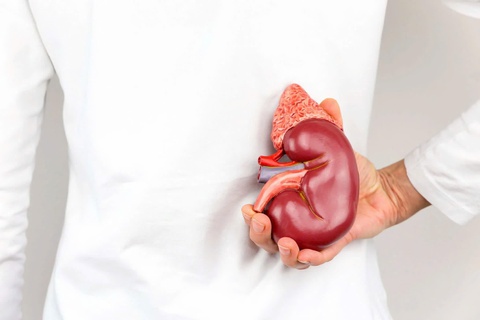
Kidney disease often develops quietly, and the body may send subtle warning signs long before severe symptoms appear. Fatigue, swelling, urine changes, itching, muscle cramps, puffiness around the eyes, and high blood pressure are among the possible clues that kidney function may be struggling.
These symptoms do not automatically mean kidney disease is present, but persistent unexplained changes should never be ignored.
The kidneys work silently every day to protect overall health, and paying attention to early warning signs may help support earlier diagnosis, better treatment, and healthier long-term wellness.