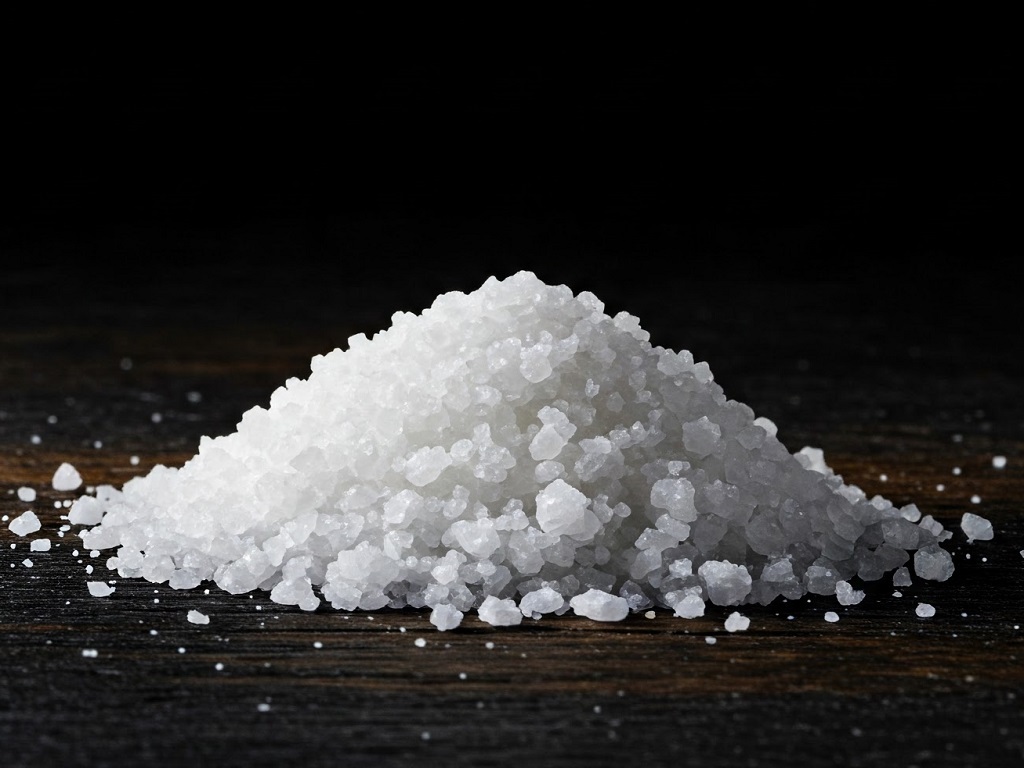
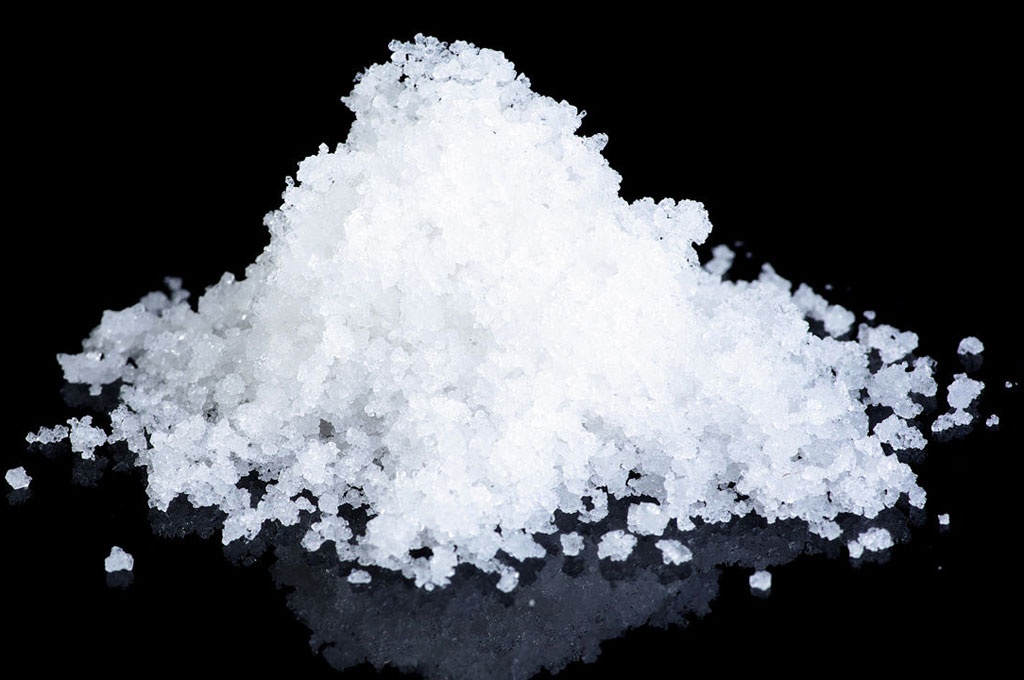
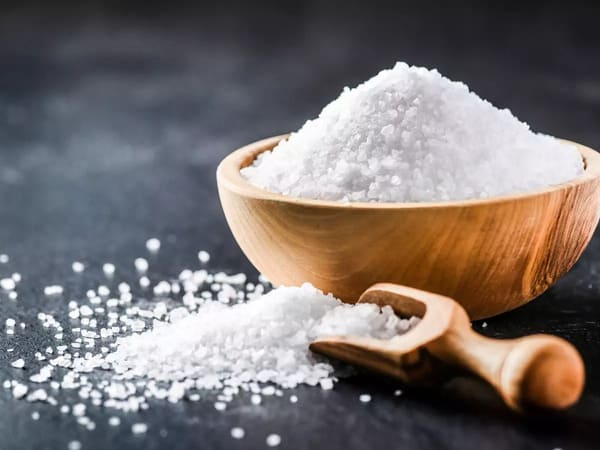
For decades, salt has been considered one of the main dietary causes of high blood pressure, also known as hypertension. Doctors around the world have long advised people to reduce sodium intake to help protect heart health and lower blood pressure levels. While salt still plays an important role, modern research suggests the story is far more complex than previously believed.
Scientists now understand that hypertension is influenced by multiple interacting factors, including metabolism, inflammation, stress, sleep, hormones, gut health, obesity, and even the balance of minerals in the body. Increasingly, researchers are focusing on one particularly important issue: chronic metabolic dysfunction and its connection to modern lifestyles.
This shift in understanding is changing how experts think about hypertension prevention and management. Rather than focusing only on salt reduction, researchers now emphasize a broader approach involving diet quality, physical activity, stress management, sleep, and metabolic health.
Understanding these newer insights may help explain why some people develop high blood pressure even with moderate salt intake, while others consume salty foods yet maintain relatively normal blood pressure.
What Is Hypertension?
Hypertension occurs when blood pressure remains consistently elevated over time.
Blood pressure measures the force of blood pushing against artery walls.
When pressure stays too high for long periods, it may damage:
- Blood vessels
- The heart
- The kidneys
- The brain
- The eyes
Hypertension is often called a “silent condition” because many people experience no obvious symptoms until complications develop.
Why High Blood Pressure Is Dangerous
Long-term uncontrolled hypertension increases the risk of:
- Heart disease
- Stroke
- Kidney damage
- Heart failure
- Vision problems
- Cognitive decline
Because symptoms are often absent, many people do not realize their blood pressure is elevated until routine testing reveals the problem.
Salt and Blood Pressure: The Traditional Understanding
Sodium helps regulate:
- Fluid balance
- Nerve function
- Muscle contractions
However, excessive sodium intake may cause the body to retain more water, increasing blood volume and pressure inside blood vessels.
Highly processed foods are major sodium sources, including:
- Fast food
- Instant noodles
- Chips
- Processed meats
- Packaged snacks
Reducing excess salt remains an important recommendation for many individuals with hypertension.
But researchers now recognize that sodium alone cannot fully explain the global rise in high blood pressure.
Scientists Are Now Looking Beyond Salt
Modern research increasingly highlights metabolic health and chronic inflammation as major contributors to hypertension.
Many experts now believe that:
- Obesity
- Insulin resistance
- Sedentary lifestyles
- Poor sleep
- Stress
- Ultra-processed diets
may play equally important — or sometimes even larger — roles in blood pressure problems.
This newer perspective reflects the complexity of how the body regulates circulation.
Insulin Resistance and Hypertension
One major factor receiving attention is insulin resistance.
Insulin is a hormone that helps regulate blood sugar levels.
When the body becomes resistant to insulin:
- Blood sugar control worsens
- Inflammation increases
- Blood vessels may stiffen
- Fluid retention may rise
These changes may contribute to elevated blood pressure.
Insulin resistance is closely linked to:
- Obesity
- Type 2 diabetes
- Fatty liver disease
- Metabolic syndrome
Researchers increasingly view hypertension as part of a larger metabolic problem rather than simply a “salt issue.”
The Role of Chronic Inflammation
Low-grade chronic inflammation may damage blood vessels over time.
Inflammation may:
- Reduce blood vessel flexibility
- Increase arterial stiffness
- Affect hormone signaling
- Disrupt circulation
Modern lifestyles may contribute to chronic inflammation through:
- Poor diet
- Lack of exercise
- Stress
- Sleep deprivation
- Smoking
This inflammatory burden may gradually increase blood pressure risk.
Ultra-Processed Foods May Be a Major Contributor
Many scientists now focus not only on sodium, but on the overall quality of processed foods.
Ultra-processed foods often contain:
- Refined sugars
- Artificial additives
- Unhealthy fats
- Excess calories
- Low fiber
These foods may affect:
- Weight gain
- Blood sugar regulation
- Inflammation
- Gut bacteria balance
Even foods that are not extremely salty may still negatively affect metabolic health.
The Gut Microbiome and Blood Pressure
Researchers are also studying the gut microbiome — the trillions of bacteria living in the digestive system.
Emerging evidence suggests gut bacteria may influence:
- Inflammation
- Hormone activity
- Blood vessel function
- Metabolism
Poor dietary patterns may disrupt the microbiome, potentially contributing to hypertension risk.
Fiber-rich foods may support healthier gut bacteria and overall cardiovascular health.
Stress and the Nervous System
Chronic stress is another major factor linked to hypertension.
Stress hormones such as cortisol and adrenaline may:
- Increase heart rate
- Narrow blood vessels
- Raise blood pressure temporarily
Over time, chronic stress may keep the body in a prolonged “fight or flight” state.
Modern stressors may include:
- Financial pressure
- Sleep deprivation
- Overwork
- Anxiety
- Constant screen exposure
Mental health and cardiovascular health are deeply connected.
Sleep Problems and Hypertension
Poor sleep is increasingly recognized as a major cardiovascular risk factor.
Sleep deprivation may affect:
- Hormones
- Stress response
- Blood vessel health
- Inflammation
- Appetite regulation
Conditions such as sleep apnea are strongly linked to high blood pressure.
People who consistently sleep poorly may face higher risks of:
- Hypertension
- Obesity
- Diabetes
- Heart disease
Obesity and Blood Pressure
Excess body fat places additional strain on the cardiovascular system.
Obesity may:
- Increase inflammation
- Affect hormone balance
- Raise insulin resistance
- Increase blood volume
This may force the heart to work harder over time.
Even modest weight loss may sometimes improve blood pressure significantly.
Potassium: The Mineral Often Overlooked
While sodium receives most attention, potassium is equally important for blood pressure regulation.
Potassium helps:
- Balance sodium levels
- Relax blood vessels
- Support healthy circulation
Foods rich in potassium include:
- Bananas
- Spinach
- Beans
- Sweet potatoes
- Avocados
- Yogurt
Many modern diets are low in potassium-rich whole foods.
Physical Inactivity and Circulation
Regular movement supports healthy blood vessels and circulation.
Exercise may help:
- Improve heart function
- Reduce inflammation
- Lower stress
- Improve insulin sensitivity
Sedentary lifestyles may contribute significantly to rising hypertension rates worldwide.
Even moderate activities such as walking may support cardiovascular health.
Why Some People Are More Salt-Sensitive Than Others
Scientists have discovered that people respond differently to sodium.
Factors influencing salt sensitivity may include:
- Genetics
- Kidney function
- Age
- Hormonal balance
- Ethnicity
- Metabolic health
This helps explain why sodium affects individuals differently.
The Modern Approach to Hypertension Prevention
Experts increasingly recommend focusing on overall lifestyle patterns rather than obsessing over one single nutrient.
Helpful strategies may include:
- Eating whole foods
- Exercising regularly
- Managing stress
- Sleeping well
- Maintaining healthy weight
- Reducing ultra-processed foods
- Monitoring blood pressure regularly
This broader approach addresses multiple root causes simultaneously.
Foods That May Support Healthy Blood Pressure
Many experts recommend diets rich in:
- Fruits
- Vegetables
- Whole grains
- Lean proteins
- Nuts
- Seeds
- Healthy fats
Fiber and antioxidant-rich foods may support vascular health and inflammation balance.
The Importance of Regular Blood Pressure Monitoring
Because hypertension may develop silently, regular monitoring is important.
Routine checks may help:
- Detect problems early
- Track lifestyle improvements
- Prevent complications
Home blood pressure monitors are now widely available and may help people stay informed about their cardiovascular health.
Final Thoughts
Modern science increasingly shows that hypertension is far more complex than simply eating too much salt. While sodium still matters, researchers now recognize that chronic inflammation, insulin resistance, obesity, stress, poor sleep, sedentary lifestyles, and ultra-processed diets may all play major roles in rising blood pressure levels.
This evolving understanding highlights the importance of viewing hypertension as part of overall metabolic and cardiovascular health rather than focusing on one single dietary factor.
Small daily habits - including balanced nutrition, movement, stress management, and quality sleep may collectively make a powerful difference in protecting long-term heart health and maintaining healthier blood pressure over time.