
Yet in millions of people worldwide, it’s slowly deteriorating without any obvious warning signs.
What makes this especially alarming is that liver damage doesn’t always cause pain. The cells inside the liver can quietly become inflamed, clogged with fat, and eventually develop scar tissue that chokes off blood flow. And the scariest part? All of this can happen silently — without a single symptom for years.
⚠️ The Silent Nature of Liver Damage
The real danger of liver disease lies not just in how it begins, but in how quietly it progresses.
At first, symptoms are vague — maybe you feel a little tired, slightly nauseous, or less hungry than usual. It’s easy to blame it on stress, a bad meal, or lack of sleep. Even doctors sometimes mistake these signs for other common ailments. Meanwhile, inflammation and scarring continue beneath the surface.
By the time serious symptoms appear, up to 80–90% of the liver may already be compromised. At that point, regeneration becomes much harder — though not impossible.
The good news? Your liver has a remarkable capacity to heal itself. If you identify the problem early and make the right changes, you can often reverse much of the damage.
It’s also important to understand that alcohol isn’t the only culprit. Many people who rarely drink still develop liver problems due to poor diet, environmental toxins, or even hidden infections.
(This article is informed by insights from Dr. R. N. Veller and current hepatology research.)
📌 Key Takeaways
-
Silent Damage: Liver disease often develops unnoticed until it’s advanced.
-
Subtle Clues: Early signs can mimic fatigue, indigestion, or mild illness.
-
Beyond Alcohol: Sugary foods, seed oils, medications, and infections are major threats.
-
Regeneration is Real: If the cause is addressed, liver cells can heal and rebuild.
-
Listen to Your Body: Recognizing the signs early could save your health — or even your life.
🔥 The Four Leading Causes of Liver Damage
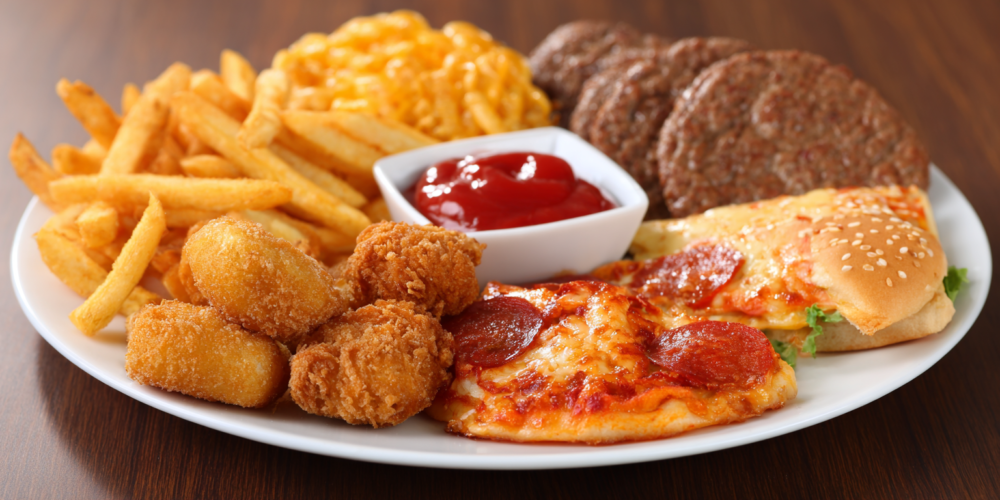
Before we explore the signs, let’s understand what’s damaging your liver in the first place. Knowing the cause is the first step toward healing.
1. Excess Sugar and Processed Foods
This is one of the most common — and underestimated — causes.
Refined sugars, white flours, and especially industrial fructose (found in sodas, energy drinks, and processed juices) overwhelm your liver. Excess fructose is converted into fat inside the liver, leading to non-alcoholic fatty liver disease (NAFLD).
NAFLD is now one of the fastest-growing liver diseases worldwide, even among children.
2. Industrial Seed Oils
Oils like corn, soy, canola, and sunflower are high in omega-6 fatty acids and prone to oxidation when heated. These oxidized fats promote inflammation and cellular damage.
Because seed oils are used in fried foods, salad dressings, and most packaged snacks, they’re hard to avoid — but replacing them with olive oil, avocado oil, or butter can significantly reduce liver stress.
3. Certain Medications
Even common over-the-counter drugs can be harsh on your liver.
Large or frequent doses of acetaminophen (Tylenol) or ibuprofen (Advil) are well-known culprits. Some antibiotics, cholesterol medications, and antifungals can also strain the liver if used long-term. Always follow medical advice and avoid combining alcohol with these drugs.
4. Hidden Viral Infections
Viruses like hepatitis B and C can cause chronic infection, leading to years of silent inflammation and gradual scarring. Many people live with these infections without knowing it until serious complications arise.
That’s why routine blood testing is so important — early detection makes these conditions highly manageable.
⚠️ 10 Subtle Signs Your Liver May Be in Trouble
Your liver doesn’t cry out for help loudly — instead, it sends small, easy-to-miss messages. Here’s what to look out for:
➡️ 10. A Strange Sensation Under Your Right Rib Cage

You might feel pressure, fullness, or a dull ache under your right ribs.
This isn’t pain from the liver itself — it’s caused by swelling and inflammation, which push against surrounding tissues. Sometimes the discomfort radiates to your right shoulder or back, mimicking a muscle problem.
If this sensation persists, don’t ignore it — it’s your body’s early warning system.
➡️ 9. A Noticeable Drop in Energy and Stamina
Do you tire more easily or feel unusually heavy after meals?
Your liver stores and releases glucose, the body’s main energy source. When it’s sluggish, energy regulation falters, leading to exhaustion.
Additionally, toxins that aren’t filtered properly circulate in your blood, triggering systemic inflammation — another reason for chronic fatigue.
➡️ 8. Persistent Itchy Skin (Without a Rash)
This is more than just dry skin.
When the liver can’t properly move bile, bile salts build up in the bloodstream and irritate skin nerve endings, causing an intense itch — especially on your hands and feet, often worse at night.
If moisturizing doesn’t help, your skin could be reflecting internal toxicity.
➡️ 7. Red Spots or Spider Veins on the Skin
Those tiny, web-like red marks — called spider angiomas — are caused by excess estrogen in the blood.
When the liver can’t process hormones efficiently, estrogen builds up, leading to visible vascular changes.
In men, this imbalance may also cause breast tissue growth (gynecomastia) and hair thinning on the legs.
➡️ 6. New or Worsening Thyroid Problems
Your liver helps convert inactive thyroid hormone (T4) into its active form (T3). If liver function drops, this conversion slows down, resulting in hypothyroid-like symptoms — fatigue, hair loss, dry skin, and rising cholesterol.
If your thyroid tests are off but medication doesn’t seem to help, the root problem might be in your liver, not your thyroid.
➡️ 5. Persistently Low Vitamin D Levels
Even if you take supplements or get plenty of sun, your Vitamin D may remain low if your liver isn’t activating it properly.
Low active Vitamin D affects bone health, immunity, and mood, and it’s a common sign that your liver’s storage and conversion systems are compromised.
➡️ 4. Dark, Strong-Smelling Urine
Dark tea-colored urine often indicates bilirubin buildup, a waste product that the liver normally removes.
When bilirubin levels rise, it’s a clue that the liver’s filtration system is struggling or that bile ducts are blocked.
➡️ 3. Pale or Clay-Colored Stools
Bile gives stool its brown color. When bile flow is reduced, your stool may appear pale, yellowish, or clay-colored and may float due to undigested fats.
This is a key sign that bile production or secretion is impaired.
➡️ 2. Difficulty Seeing at Night
Poor night vision or a gritty feeling in your eyes may result from low vitamin A, which depends on proper bile flow for absorption.
Liver dysfunction reduces vitamin A conversion, affecting the retina’s ability to adapt to darkness.
➡️ 1. Swelling in Your Feet and Ankles
When scar tissue forms inside the liver, it restricts blood flow and increases pressure in abdominal veins. The excess pressure pushes fluid into surrounding tissues, causing pitting edema — swelling that leaves a dent when pressed.
If your socks leave deep marks around your ankles, it’s time to pay attention.
👉 What to Do If You Notice These Signs
Here’s the hopeful part: the liver can regenerate, often completely, if the underlying issue is identified and corrected.
🩸 Step 1: Get Tested
If you suspect trouble, schedule a check-up. Doctors can order liver enzyme blood tests (ALT, AST, ALP, bilirubin) and ultrasound imaging to assess inflammation, fat buildup, or fibrosis.
🥗 Step 2: Support Your Liver Naturally
-
Eliminate processed sugars and seed oils
-
Eat liver-supportive foods like leafy greens, beets, cruciferous vegetables, and garlic
-
Stay hydrated and maintain a healthy weight
-
Limit or avoid alcohol and unnecessary medications
🧘 Step 3: Manage Stress and Sleep
Chronic stress and sleep deprivation raise cortisol levels, which indirectly increase liver inflammation. Rest and relaxation are powerful tools for healing.
🕒 Step 4: Act Early
The earlier you intervene, the more likely you are to reverse damage before it becomes permanent. Liver disease caught late often requires lifelong management — but caught early, it’s one of the most reversible conditions in modern medicine.
💡 Final Thoughts
Your liver never stops working — even while you sleep. It detoxifies, digests, and protects you around the clock. But when it’s overworked, it can’t ask for help directly; it whispers through small symptoms that are easy to ignore.
Learning to recognize those whispers is one of the best investments you can make in your long-term health.
So remember: you only get one liver — treat it like the life-support system it truly is.
🩵 If in doubt, check it out. Early action can mean the difference between damage and full recovery.