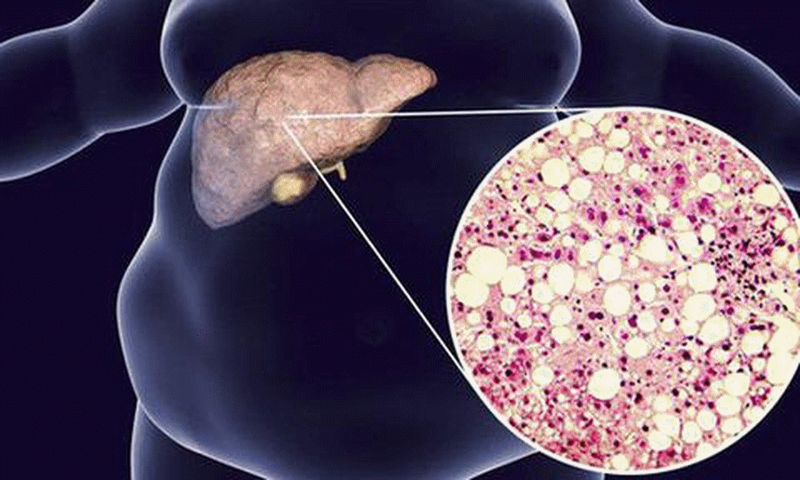
Not Exercise, Just One Lifestyle Change Can Cut the Risk of Fatty Li.ver Disease, Cardiovascular Disease, and Early De.ath by 48%
A new study shows that even a very small lifestyle change can significantly reduce disease risk, including for people who don’t have time to exercise every day.
Fatty liver disease, cardiovascular disease, and the risk of premature death are increasingly becoming a “silent trio of killers” in modern lifestyles—especially among people who are physically inactive and spend long hours sitting. However, a new study published in Liver International found that just 150 minutes of moderate-to-vigorous physical activity per week can substantially reduce the risk of metabolic dysfunction–associated steatotic liver disease (MASLD), cardiovascular events, and early death—even if the activity is not performed consistently every day.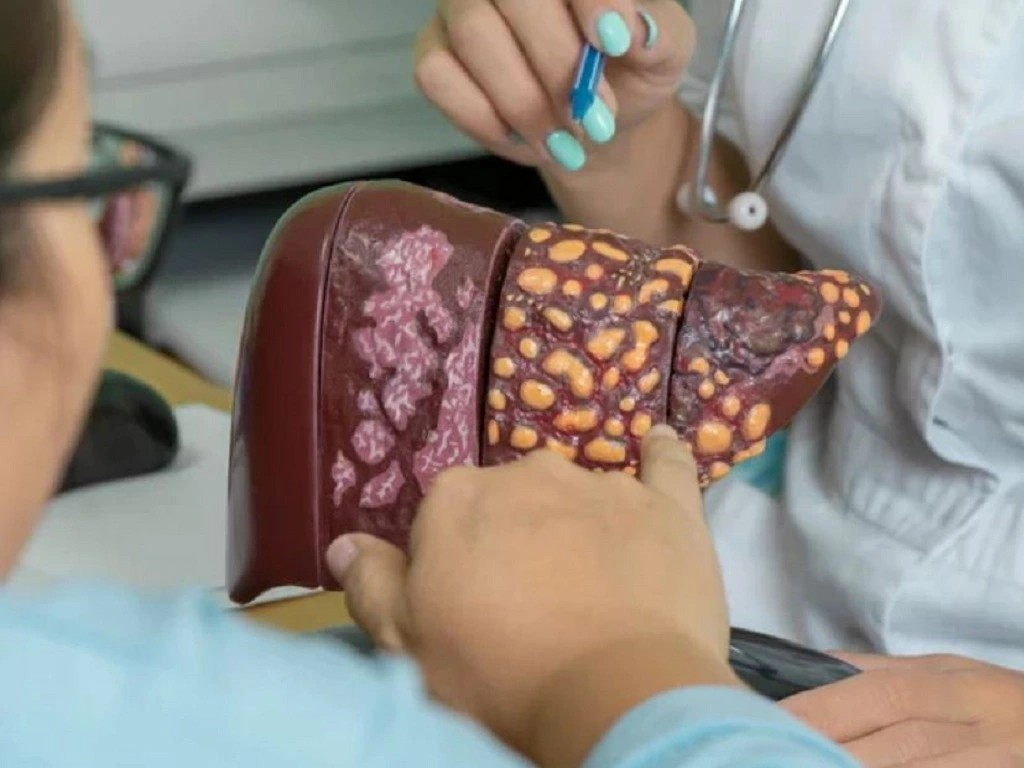
The study, conducted by researchers at the University of Haifa (Israel), analyzed data from 2,490 adults who participated in the U.S. National Health and Nutrition Examination Survey. Participants wore motion-tracking devices continuously for seven days to accurately measure the duration and intensity of their actual physical activity. Based on the results, researchers divided participants into three groups: those who were inactive or minimally active, those who exercised regularly throughout the week, and so-called “weekend warriors”—individuals who met the recommended amount of physical activity but concentrated most of it into one or two days.
The results showed that the prevalence of fatty liver disease was highest in the inactive group, at 38%. This rate dropped to 26% among those who exercised regularly and to just 20% among the weekend warrior group. Even more notably, among individuals who already had MASLD, maintaining more than 150 minutes of physical activity per week significantly reduced the risk of all-cause mortality and major cardiovascular events—regardless of whether the activity was spread evenly across the week or concentrated on weekends.
Professor Shira Zelber-Sagi, the study’s lead author, said these findings are particularly “liberating” for busy individuals who struggle to maintain a daily exercise routine. According to her, the key factor is not whether one exercises every day, but avoiding prolonged sedentary behavior. As long as the body gets sufficient activity in terms of duration and intensity, the protective benefits for the liver, heart, and overall survival remain intact.
MASLD is currently the most common liver disease worldwide, affecting around 30% of the global population. It is also a leading cause of chronic hepatitis, liver cirrhosis, and liver cancer. The disease is closely linked to obesity, high-sugar diets, ultra-processed foods, and physical inactivity. In this context, regular physical activity is considered one of the simplest yet most effective measures for preventing and managing the condition.
Because the tracking devices primarily recorded overall movement, the study’s findings largely reflect the benefits of aerobic activities such as brisk walking, light jogging, cycling, swimming, or Pilates. Nevertheless, current medical guidelines still recommend adding one to two strength-training sessions per week to maintain muscle mass—an especially important factor for people with liver disease and older adults.
Professor Zelber-Sagi also emphasized that lifestyle choices play a more decisive role than genetics. Even individuals with a genetic predisposition to liver disease can significantly improve their health by changing daily habits. Disease, she noted, is not a predetermined fate. With a balanced diet and a form of physical activity that can be sustained long term, the risks of fatty liver disease, cardiovascular disease, and premature death can be effectively pushed back.