
Have You Ever Seen the Kamitetep? Here's What Makes This Unusual Moth So Fascinating
Curious About the Kamitetep? Here's What You Should Know About This Remarkable Moth
Health 30/06/2026 10:52
You may have come across the phrase "2 Red, 2 Itchy, 2 Unusual Odors" on social media or in health-related discussions. While it isn't an official medical term, it serves as a simple reminder to pay attention to persistent symptoms that could indicate an underlying health problem.
Redness, itching, and unusual odors can affect many parts of the body—including the skin, eyes, ears, mouth, feet, or intimate areas. In many cases, these symptoms are caused by relatively minor issues such as allergies, irritation, or infections. However, when they persist, worsen, or occur together, they deserve medical evaluation.
Understanding what these symptoms may mean can help you know when it's time to seek professional care.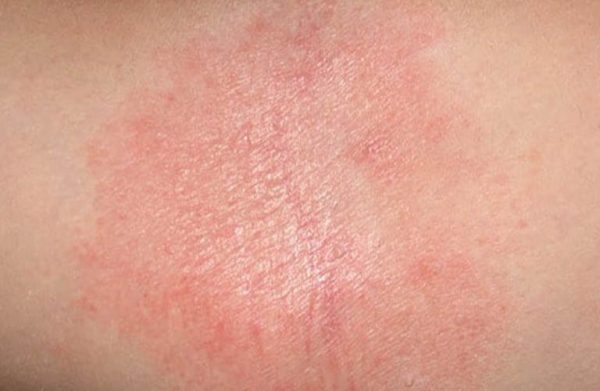
This phrase generally refers to six common warning signs:
Persistent redness of the skin
Redness accompanied by swelling or pain
Persistent itching that does not improve
Itching associated with a rash or skin changes
Persistent body odor that is new or different
Unusual odors from areas such as the ears, mouth, or genital region
These symptoms do not automatically indicate a serious illness, but they should not be ignored if they continue.
Redness is one of the body's natural responses to irritation or inflammation.
It may occur because of:
Allergic reactions
Skin irritation
Insect bites
Sunburn
Eczema
Psoriasis
Bacterial or fungal infections
See a healthcare professional if redness:
Lasts more than several days
Continues to spread
Becomes increasingly painful
Is accompanied by fever
Produces pus or drainage
These signs may indicate an infection or another condition requiring treatment.
Redness combined with swelling often suggests active inflammation.
Possible causes include:
Cellulitis
Contact dermatitis
Injuries
Allergic reactions
Joint inflammation
If swelling develops suddenly or is associated with severe pain, difficulty moving a limb, or rapid progression, prompt medical evaluation is important.
Occasional itching is common and often harmless.
However, ongoing itching without an obvious cause may result from:
Dry skin
Allergies
Eczema
Fungal infections
Psoriasis
Certain medications
Less commonly, generalized itching may be associated with underlying medical conditions affecting the liver, kidneys, thyroid, or blood.
Persistent itching that interferes with daily life should be evaluated.
Itching accompanied by visible changes deserves closer attention.
These may include:
Rashes
Blisters
Scaling
Crusting
Open sores
Possible causes include:
Fungal infections
Scabies
Allergic dermatitis
Autoimmune skin disorders
Early diagnosis often makes treatment easier and more effective.
Everyone has a natural body scent.
However, a noticeable change in body odor may occasionally reflect:
Poor hygiene
Bacterial overgrowth
Excessive sweating
Dietary changes
Certain medications
Hormonal changes
In some situations, unusual body odor may also be associated with underlying metabolic or medical conditions.
If the odor persists despite good hygiene, a medical evaluation may be helpful.
Persistent odors from particular parts of the body should not be ignored.
Examples include:
Persistent bad breath may result from:
Gum disease
Tooth decay
Dry mouth
Sinus infections
A foul odor from the ear may suggest:
Ear infection
Trapped foreign material
Chronic drainage
Changes in vaginal odor may occur with:
Bacterial vaginosis
Yeast infections
Sexually transmitted infections
Hormonal changes
These conditions are common and often treatable, but proper diagnosis is important.
Your body often responds to illness with inflammation or changes in normal function.
Symptoms such as redness, itching, or unusual odors may be early clues that something requires attention.
While they are usually caused by minor conditions, occasionally they may indicate:
Skin infections
Allergic reactions
Chronic inflammatory disorders
Hormonal changes
Metabolic disorders
Certain autoimmune diseases
The symptoms themselves are not a diagnosis—they are signals that deserve attention if they persist.
Arrange a medical evaluation if symptoms:
Last longer than one to two weeks.
Continue to worsen.
Keep returning.
Interfere with daily activities.
Are accompanied by fever, severe pain, swelling, or drainage.
Involve unexplained bleeding or rapidly changing skin lesions.
Prompt evaluation often leads to earlier treatment and better outcomes.
Simple daily habits can reduce the risk of many common conditions.
Bathe regularly.
Keep skin clean and dry.
Change sweaty clothing promptly.
Using fragrance-free moisturizers may reduce irritation and itching.
Loose-fitting cotton fabrics may reduce skin irritation and moisture buildup.
Towels, razors, and personal grooming tools can spread infections.
Adequate hydration supports healthy skin function.
Nutrient-rich foods support immune function and healthy skin.
Many rashes result from infections, autoimmune conditions, or other skin disorders.
Not necessarily.
Hormonal changes, medications, infections, and certain medical conditions may also affect body odor.
Although most itching has harmless causes, persistent generalized itching or itching with other symptoms should be medically evaluated.
Most episodes of redness, itching, or unusual odor improve with appropriate care.
However, your body often provides early clues when something isn't quite right.
Ignoring persistent symptoms may delay diagnosis of conditions that are easier to treat when recognized early.
Rather than self-diagnosing based on internet advice, seek professional medical evaluation whenever symptoms persist or become more severe.
The phrase "2 Red, 2 Itchy, 2 Unusual Odors" is not an official medical guideline, but it serves as a useful reminder to pay attention to persistent changes in your body. Ongoing redness, itching, or unusual odors are usually caused by common conditions such as allergies, skin disorders, or infections. However, when these symptoms persist, worsen, or occur alongside fever, pain, swelling, or discharge, they should be evaluated by a healthcare professional.
Your body often communicates through small changes before more serious problems develop. Listening to those signals—and seeking medical advice when necessary—is one of the simplest ways to protect your long-term health.
Curious About the Kamitetep? Here's What You Should Know About This Remarkable Moth

Doctors Say This Everyday Fruit May Be Better for You Than You Think

Drinking more water isn't always better

The Reason You Wake Up at 3 or 4 A.M. May Surprise You 👀

Millions Miss These 9 Early Diabetes Symptoms—Don't Be One of Them
Your Bruises Could Be Telling You Something Important About Your Health

The bumps are a lot more common than you'd think


If You Drool While Sleeping Often, Check for These 6 Diseases


For example, if you have these 4 conditions when walking, be alert for diabetes



Eating for Healthy Skin: 9 Foods That May Promote Natural Collagen Production



4 Types of Drinks Doctors Warn Against: A Growing Cause of Kidney Disease


😲 Most People Think Ginger Is Harmless—Until They Learn About These 5 Risks
Curious About the Kamitetep? Here's What You Should Know About This Remarkable Moth
Doctors Say This Everyday Fruit May Be Better for You Than You Think
Drinking more water isn't always better
The Reason You Wake Up at 3 or 4 A.M. May Surprise You 👀
Millions Miss These 9 Early Diabetes Symptoms—Don't Be One of Them
Your Bruises Could Be Telling You Something Important About Your Health

The Surprising Safety Reason Cabin Crew Sit With Their Hands Under Their Legs
The bumps are a lot more common than you'd think

If You Drool While Sleeping Often, Check for These 6 Diseases
For example, if you have these 4 conditions when walking, be alert for diabetes
Eating for Healthy Skin: 9 Foods That May Promote Natural Collagen Production

Most people don’t notice kidney failure until it’s too late — remember this to prevent it Kidney Failure Is Silent — Remember to Do These Things to Prevent It