Health 20/03/2026 09:41

3 drinks that are unsafe to store in an insulated bottle

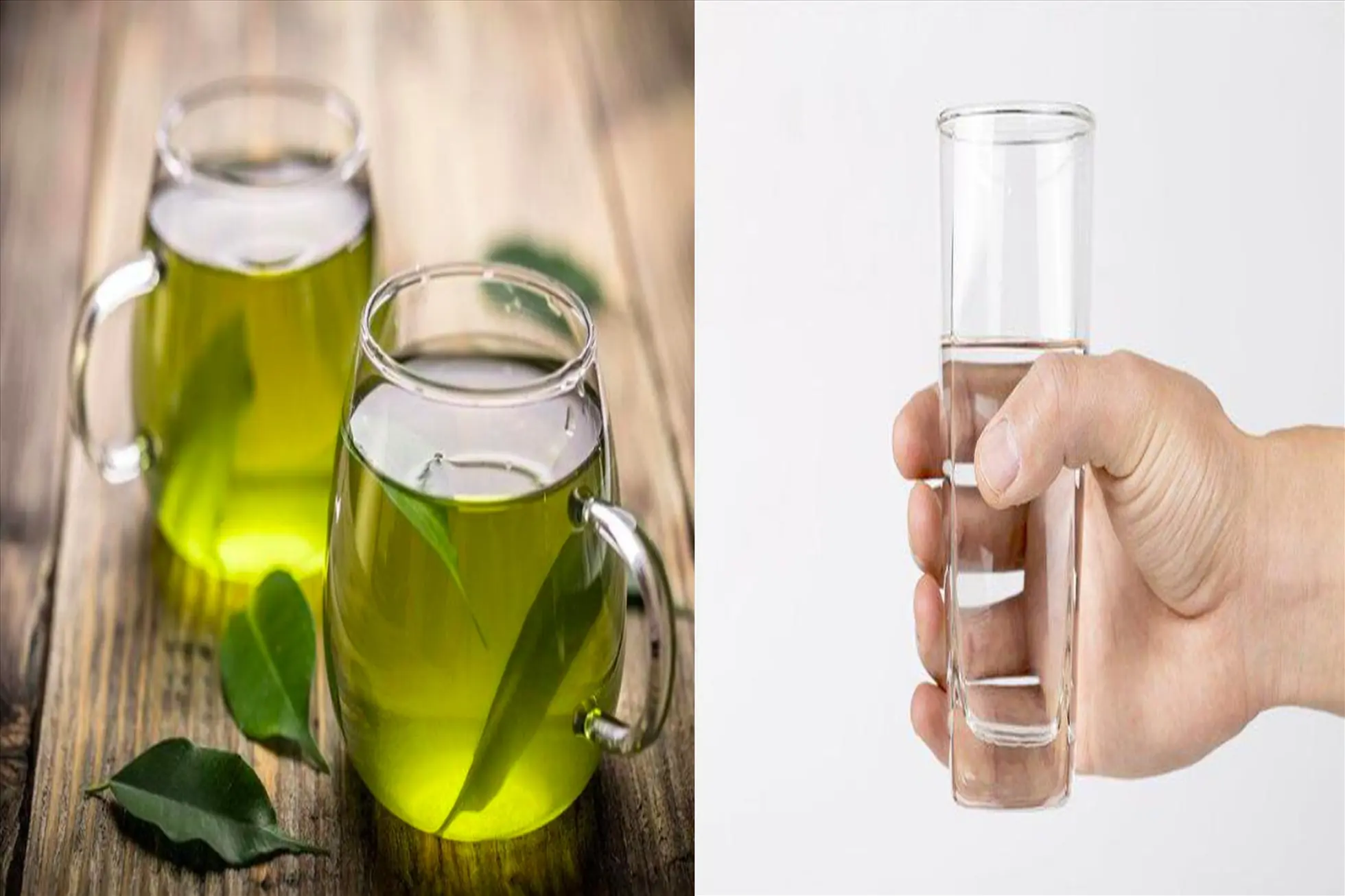
3 types of water you should avoid putting in a thermos

Insulated bottles and thermoses have become everyday essentials. Whether it’s keeping coffee hot during a busy morning or carrying a refreshing drink throughout the day, these containers are designed for convenience and durability. However, what many people don’t realize is that improper use of a thermos - especially over a long period can pose hidden health risks.

Recent discussions among health experts and consumer safety advocates have raised concerns about potential exposure to harmful substances, including lead, and the impact certain drinks can have when stored in insulated containers for extended periods. While not all thermoses are dangerous, how you use them and what you put inside - matters more than you think.


Why Thermos Use Can Become Risky Over Time

Most high-quality thermoses are made from stainless steel and are generally safe. However, lower-quality products or damaged containers may contain trace amounts of heavy metals, including lead, especially in seals or soldered parts.

Over time, factors such as:

  • Heat

  • Acidity

  • Prolonged storage

can increase the likelihood of chemical leaching, where small amounts of material from the container mix with the liquid inside.

Additionally, the insulated environment creates a warm, sealed space, which can accelerate chemical reactions or bacterial growth depending on the type of drink stored.


The Concern About Lead Exposure and Brain Health

Lead is a toxic heavy metal that can accumulate in the body over time. Even low-level exposure, especially with repeated intake, can affect the nervous system.

Potential effects of long-term exposure include:

  • Memory problems

  • Reduced concentration

  • Mood changes

  • In severe cases, neurological damage

This is why even the possibility of lead leaching—combined with improper thermos use—has become a growing concern.


3 Drinks You Should Avoid Storing in a Thermos

Not all beverages are suitable for long-term storage in insulated bottles. Some can interact with the container or degrade in ways that may affect your health.


1. Acidic Drinks (Lemon Water, Citrus Juices, Vinegar-Based Drinks)

Acidic liquids are one of the biggest concerns when it comes to thermos use.

These drinks can:

  • React with the metal interior

  • Break down protective layers inside the bottle

  • Increase the risk of metal leaching over time

For example, keeping hot lemon water in a thermos for several hours may not seem harmful, but the acidity can gradually corrode internal surfaces, especially in lower-quality bottles.

Better option: Drink acidic beverages fresh or store them in glass containers.


Đừng uống nước chanh kiểu này vì độc khủng khiếp cho sức khỏe | Báo điện tử  Tiền Phong


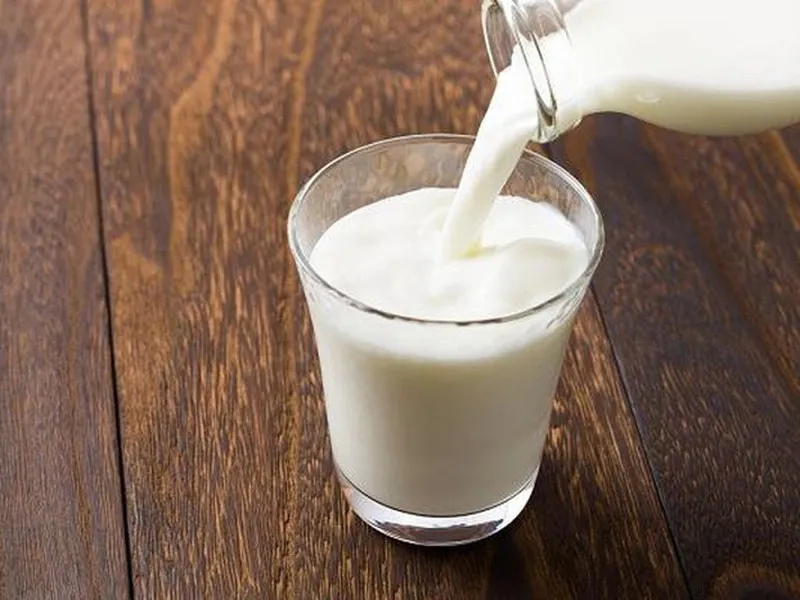
2. Milk and Dairy-Based Drinks

Milk, protein shakes, and other dairy-based beverages are highly sensitive to temperature and bacteria.

Inside a thermos, especially if not kept at a consistently safe temperature, these drinks can:

  • Spoil quickly

  • Promote bacterial growth

  • Produce toxins that may cause digestive issues

Even if the drink still smells acceptable, harmful bacteria may already be present.

Risk: Food poisoning, stomach discomfort, and long-term health effects if consumed regularly in unsafe conditions.

Uống sữa khi đói có tốt không? sự thật mà bạn cần biết


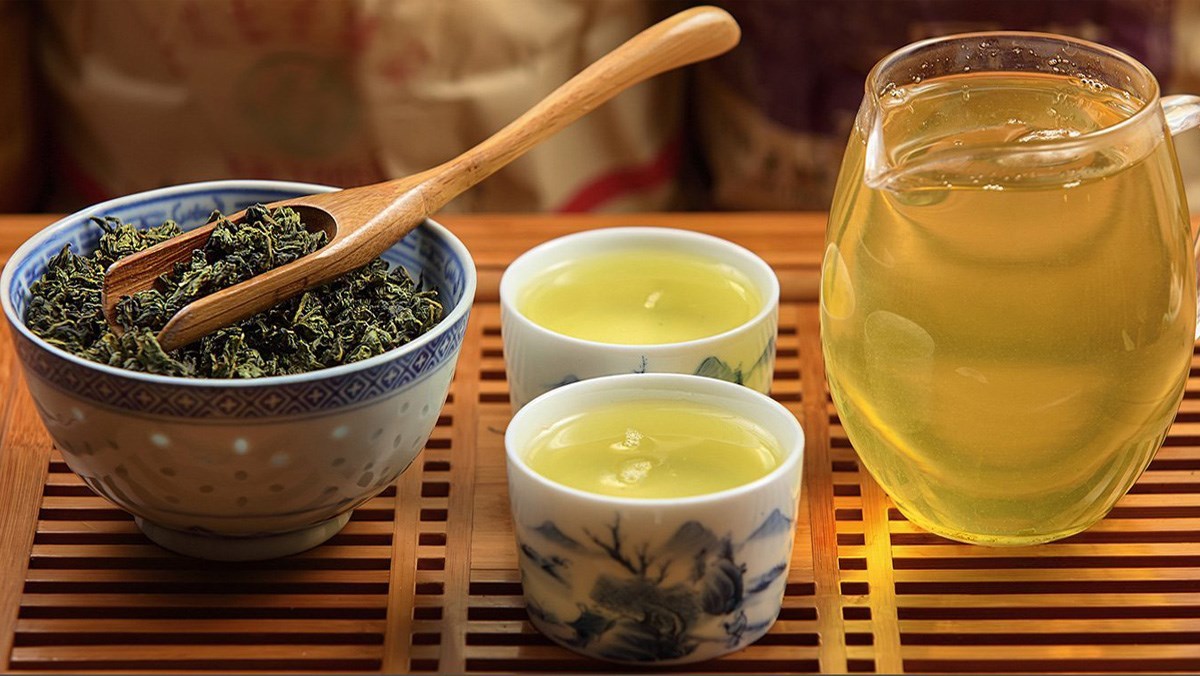
3. Tea Stored for Too Long

Tea is often considered a safe and healthy drink—but storing it in a thermos for extended periods can change its properties.

Over time:

  • Tea becomes overly concentrated and bitter

  • Beneficial compounds may break down

  • Certain substances can oxidize and irritate the stomach

Additionally, prolonged heat can alter the flavor and reduce its nutritional value.

Tip: Brew tea fresh and avoid storing it in a thermos for too many hours.


15 mẹo uống trà đúng cách tốt cho sức khỏe bạn cần biết


Other Hidden Risks of Improper Thermos Use

Beyond specific drinks, there are additional habits that can increase health risks:

  • Using old or damaged thermoses (scratches or worn interiors)

  • Not cleaning regularly, allowing bacteria buildup

  • Keeping liquids for too long (especially overnight or longer)

  • Buying low-quality products without safety certification

These factors can compound over time, increasing the potential for exposure to harmful substances.


How to Use Your Thermos Safely

To reduce risks and protect your health, follow these simple guidelines:

  • Choose high-quality, food-grade stainless steel thermoses

  • Avoid storing drinks for extended periods (especially more than 6–8 hours)

  • Clean your thermos thoroughly after each use

  • Do not store highly acidic or perishable liquids

  • Replace your thermos if it shows signs of wear or damage


Final Thoughts

Thermoses are incredibly useful, but like any everyday item, they must be used correctly. The idea that long-term thermos use could be linked to lead exposure or other health risks may sound alarming - but in many cases, the danger lies in how the thermos is used, not just the thermos itself.

Being mindful of what you store and for how long - can make a significant difference.

Small habits, repeated daily, shape your long-term health. So the next time you reach for your thermos, take a moment to think about what’s inside and whether it truly belongs there.

News in the same category

News Post