Chicken is one of the most commonly consumed sources of protein around the world. It is affordable, versatile, and packed with nutrients such as protein, B vitamins, iron, and essential minerals. Many people include chicken in their daily meals because it is easy to cook and can be prepared in a variety of delicious ways.
However, while chicken itself is a nutritious food, certain parts of the chicken may not always be the healthiest choice. Some parts contain higher amounts of fat, may accumulate impurities, or require special preparation to ensure they are safe to eat. Because of these reasons, many nutrition experts suggest limiting or avoiding certain chicken parts.
Below are four parts of chicken that are often recommended to consume with caution or avoid altogether.
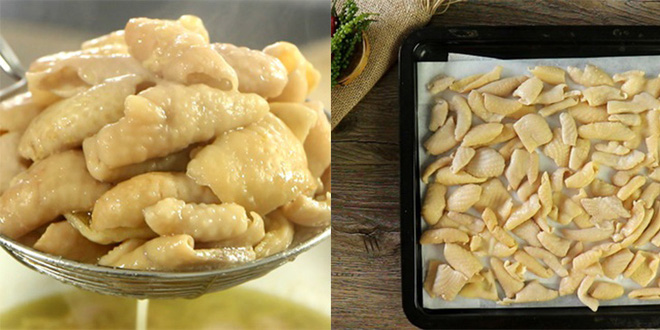
1. Chicken Skin
Chicken skin is popular in many dishes because of its crispy texture and rich flavor. When roasted or fried, it becomes golden and delicious, which makes it appealing to many people.
However, chicken skin contains a large amount of fat and calories compared to lean chicken meat. Regularly consuming large amounts of chicken skin may contribute to excessive fat intake, which could affect heart health if eaten frequently.
In addition, when chicken skin is deep-fried, it may absorb extra oil, further increasing its calorie content.
For individuals who are trying to maintain a balanced diet or manage cholesterol levels, removing the skin before cooking may be a healthier option.
2. Chicken Neck
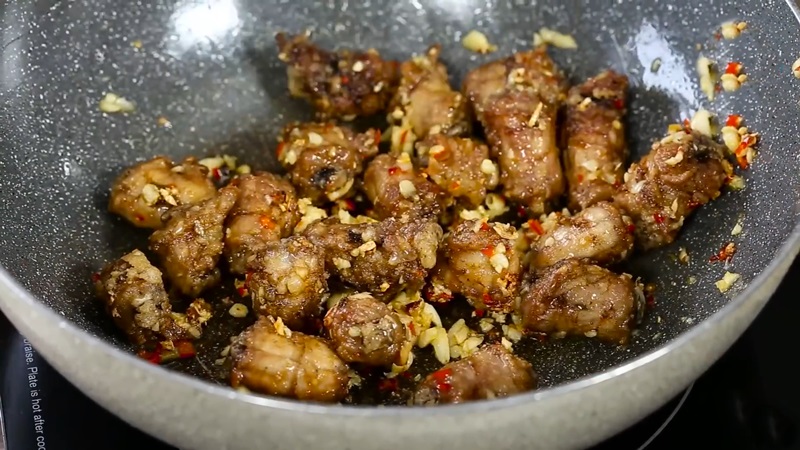
The chicken neck is commonly used in soups or broths in some cuisines. While it does contain some meat, the neck is made up largely of bones, cartilage, and connective tissues.
Because of its structure, the neck may accumulate impurities or residues depending on how the chicken was raised or processed. It can also contain higher concentrations of certain substances that the body may not need in large amounts.
Although some people enjoy chicken neck dishes, experts often recommend limiting consumption and ensuring proper cleaning and cooking.
3. Chicken Tail
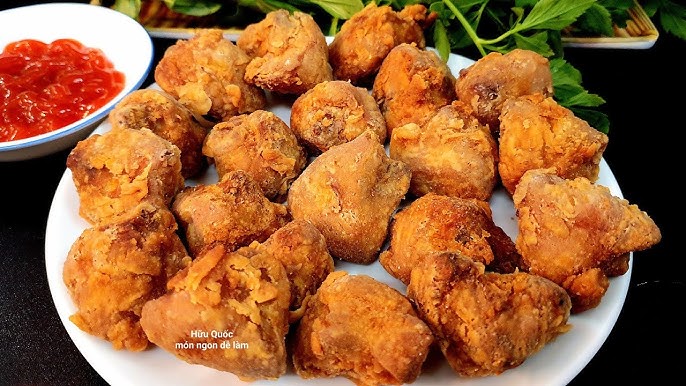
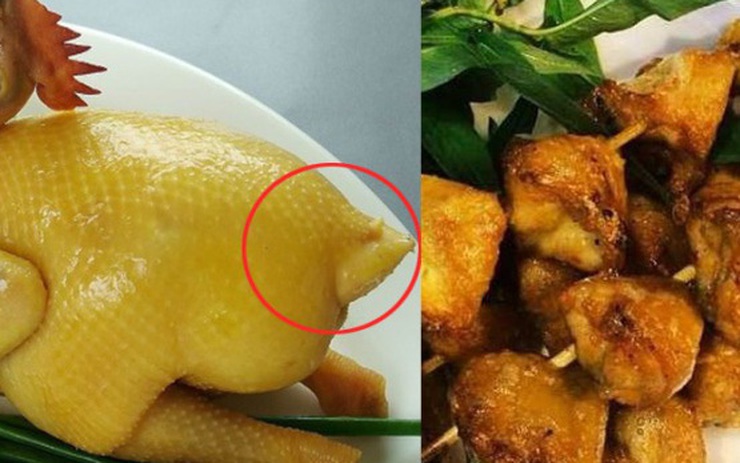
The chicken tail, sometimes referred to as the “parson’s nose,” is a small fatty part located at the end of the chicken. This section contains oil glands and a significant amount of fat.
Because of its high fat content, the chicken tail is often considered less healthy than other lean cuts of chicken meat. Consuming it frequently may increase calorie intake without providing as much nutritional value as other parts of the chicken.
For people who are trying to reduce fat intake, it may be better to choose leaner cuts such as chicken breast.
4. Chicken Lungs
Chicken lungs are not commonly eaten in many parts of the world, but in some regions they may appear in certain traditional dishes.
However, lungs function as part of the respiratory system and may contain residues from the bird’s environment. Because of their biological function and structure, they are sometimes considered less desirable for consumption.
For food safety reasons, many people choose to avoid this part altogether.
Choosing Healthier Chicken Cuts
While some parts of chicken may be less recommended, the rest of the chicken remains a nutritious and valuable food. Lean cuts such as chicken breast and chicken thigh provide high-quality protein with lower fat content.
Chicken also contains important nutrients such as niacin, vitamin B6, phosphorus, and selenium. These nutrients support energy metabolism, immune function, and muscle health.
When prepared with healthy cooking methods such as grilling, steaming, baking, or boiling, chicken can be an excellent part of a balanced diet.
Healthy Cooking Methods
The way chicken is cooked can also affect its nutritional value. Cooking methods that use less oil—such as steaming, roasting, or grilling—help preserve nutrients while reducing unnecessary fat.
Avoiding excessive frying or heavy sauces can help maintain the health benefits of chicken. Pairing chicken with vegetables, whole grains, and herbs can create balanced and nutritious meals.
Food Safety and Preparation
Proper preparation is essential when cooking any poultry product. Raw chicken should always be handled carefully to prevent contamination.
Washing hands, using clean cutting boards, and cooking chicken thoroughly until it reaches a safe internal temperature help reduce the risk of foodborne illness.
Safe cooking practices ensure that chicken remains a healthy and enjoyable food.
Conclusion
Chicken is a nutritious and versatile food that can support a healthy diet. However, certain parts—such as chicken skin, neck, tail, and lungs—are often recommended to be limited or avoided due to their fat content, structure, or potential impurities.
By choosing lean cuts of chicken and preparing them with healthy cooking methods, people can enjoy the nutritional benefits of this popular protein while maintaining a balanced diet. Understanding different parts of the chicken allows individuals to make informed choices that support long-term health.