Itching in 9 Areas Could Be a Warning Sign of a Serious Health Problem
Itching is a common sensation that almost everyone experiences from time to time. Most of the time, it is caused by harmless issues such as dry skin, insect bites, or mild allergies. However, when itching becomes persistent, intense, or appears in unusual areas of the body, it can sometimes signal underlying health conditions that should not be ignored.
In some medical situations, chronic itching may be associated with internal disorders, including liver disease, kidney problems, blood disorders, or even certain cancers. Doctors often emphasize that while itching alone does not confirm a serious illness, unusual or unexplained itching in specific areas of the body may warrant closer attention.
Understanding where itching occurs and what it may indicate can help people recognize when it is time to seek medical advice.
Why Persistent Itching Can Be Concerning
The skin is the body’s largest organ and often reflects what is happening internally. When internal systems become imbalanced or certain diseases affect the body, chemical signals and inflammatory responses may trigger itching sensations.
Persistent itching without a visible rash is sometimes referred to as pruritus. When this type of itching continues for weeks or appears alongside other symptoms such as fatigue, unexplained weight loss, or swelling, doctors may investigate further to rule out underlying medical conditions.


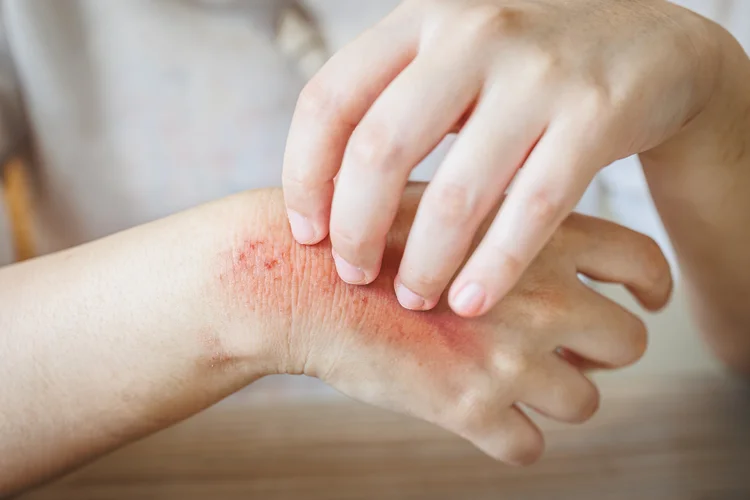
1. Scalp
Persistent itching on the scalp is often caused by dandruff, fungal infections, or allergic reactions to hair products. However, chronic scalp itching accompanied by unusual skin changes may require evaluation by a dermatologist.
2. Back
Itching in the middle of the back may occur due to nerve irritation or skin dryness. In some cases, a condition known as notalgia paresthetica can cause persistent itching in this area due to nerve compression.
3. Chest
Chest itching may result from allergic reactions, skin irritation, or eczema. If itching is accompanied by unusual skin changes, lumps, or redness, a medical examination may be recommended.
4. Abdomen
Persistent itching on the abdomen can sometimes be associated with digestive or liver-related issues. Liver conditions may lead to the accumulation of certain substances in the bloodstream that trigger itching.



5. Hands and Palms
Itching in the palms can occasionally be linked to allergic reactions, contact dermatitis, or exposure to irritating chemicals. Some liver-related conditions may also cause itching in the hands and feet.
6. Feet and Soles
Persistent itching in the feet may be related to fungal infections such as athlete’s foot. However, itching without visible skin irritation could also signal nerve-related issues or systemic conditions.
7. Neck
The neck is a sensitive area where itching often results from sweat, friction, or allergic reactions to cosmetics and fragrances. Chronic itching in this area may also be linked to skin conditions such as eczema.
8. Arms
Itching on the arms may be caused by dryness, sun exposure, or nerve irritation. In rare cases, certain nerve-related conditions may trigger persistent itching along the arms.
9. Whole Body
Generalized itching affecting the entire body without a visible rash may sometimes be associated with internal medical conditions such as kidney disease, thyroid disorders, or blood disorders. This type of itching usually requires medical evaluation.



When to See a Doctor
Occasional itching is normal, but medical attention may be necessary if:
-
The itching lasts longer than two weeks
-
It becomes severe or interferes with sleep
-
There is no obvious skin rash or irritation
-
It is accompanied by fatigue, weight loss, or swelling
-
The itching spreads across large areas of the body
Doctors may perform blood tests, skin examinations, or imaging tests to identify possible underlying causes.
Simple Ways to Reduce Itching
Some basic lifestyle changes may help reduce mild itching:
-
Keeping the skin moisturized
-
Avoiding harsh soaps and fragrances
-
Wearing breathable clothing
-
Maintaining proper hydration
-
Managing allergies and irritants
These steps can help protect the skin barrier and reduce irritation.
Final Thoughts
Itching is usually harmless, but persistent or unexplained itching should never be ignored. The body often uses subtle signals to indicate that something may be wrong internally.
While itching alone does not necessarily indicate a serious illness, paying attention to unusual symptoms and seeking medical advice when necessary can help ensure early detection of potential health problems. Maintaining awareness of changes in the body is one of the most effective ways to protect long-term health.