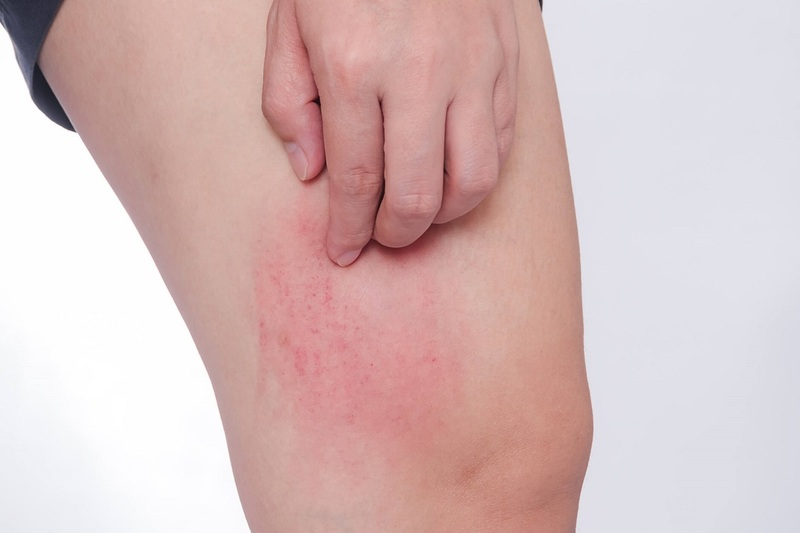
Itching is a common sensation that most people experience at some point. In many cases, itching is caused by simple factors such as dry skin, insect bites, or allergic reactions. However, when itching becomes persistent and appears without an obvious reason, it may sometimes signal an underlying health issue.
One condition that can sometimes be associated with unusual itching is liver disease. The liver is a vital organ responsible for filtering toxins from the body, producing bile for digestion, and regulating various metabolic processes. When liver function is affected, certain substances may accumulate in the bloodstream and trigger symptoms that appear in different parts of the body, including the skin.
Although itching alone does not mean a person has liver disease, persistent itching in specific areas may be worth paying attention to, especially if it occurs alongside other symptoms.
Why Liver Problems Can Cause Itching
The liver plays an important role in processing bile, a fluid that helps digest fats. When the liver is damaged or when bile flow becomes blocked, substances related to bile metabolism can build up in the bloodstream.
Some researchers believe that these substances may irritate nerve endings in the skin, which can cause itching. This type of itching is sometimes referred to as pruritus associated with liver conditions.
Unlike itching caused by allergies or skin irritation, this type of itching often occurs without visible rashes or redness.

Itching in the Palms of the Hands
One area where unusual itching may appear is the palms of the hands. People with certain liver conditions sometimes report persistent itching in their palms that cannot easily be explained by dry skin or external irritation.
The sensation may occur during the day or become more noticeable at night. In some cases, the itching may be accompanied by other changes such as redness or warmth in the hands.
Because the palms contain many nerve endings and blood vessels, they may be sensitive to changes in the body’s internal balance.
Itching in the Soles of the Feet
Another area where itching may occur is the soles of the feet. Similar to the palms, the soles contain many nerve endings and are sensitive to internal physiological changes.
Some individuals experiencing liver-related itching describe a persistent or deep itching sensation in the soles that is difficult to relieve through scratching.
The itching may become particularly noticeable when the body is at rest, such as during the evening or nighttime.
Other Possible Symptoms of Liver Problems
While itching may occur in certain liver conditions, it is usually not the only symptom. Other signs that may indicate liver problems include:
-
Persistent fatigue or weakness
-
Yellowing of the skin or eyes (jaundice)
-
Dark-colored urine
-
Pale-colored stools
-
Unexplained weight loss
-
Abdominal discomfort or swelling
If itching is accompanied by these symptoms, it is important to seek medical advice.
Conditions That May Affect the Liver
Several medical conditions can affect liver function. These may include viral hepatitis, fatty liver disease, alcohol-related liver disease, and other liver disorders.
Lifestyle factors such as excessive alcohol consumption, poor diet, obesity, and certain medications may also contribute to liver damage over time.
Maintaining liver health is important because the liver performs hundreds of essential functions in the body.

How to Support Liver Health
Although not all liver conditions can be prevented, adopting healthy habits may help support liver function.
Eating a balanced diet that includes vegetables, fruits, whole grains, and lean proteins can provide nutrients that support overall health. Limiting alcohol consumption and avoiding excessive intake of processed foods may also help reduce strain on the liver.
Regular physical activity helps maintain healthy body weight, which is important because obesity is associated with fatty liver disease.
Routine medical checkups can also help detect potential problems early.
When to Seek Medical Advice
Occasional itching is usually harmless and may be caused by environmental factors or skin conditions. However, persistent itching that lasts for weeks, especially without visible skin irritation, should not be ignored.
If itching occurs together with other symptoms such as fatigue, jaundice, or unexplained discomfort, consulting a healthcare professional is recommended.
Doctors may perform blood tests, imaging tests, or other examinations to evaluate liver health and determine the cause of symptoms.
Conclusion
Itching in certain areas of the body, such as the palms of the hands or the soles of the feet, may sometimes be associated with liver conditions rather than simple allergies or skin irritation. While itching alone does not necessarily indicate a serious problem, persistent or unexplained symptoms should be evaluated carefully.
Maintaining healthy lifestyle habits, paying attention to changes in the body, and seeking medical advice when needed are important steps in protecting liver health and overall well-being.