Feeling stomach pain after eating is a common complaint, and while it’s often blamed on eating too fast or choosing the wrong foods,
repeated pain after meals can signal an underlying medical condition. The digestive system works hardest after you eat, so problems
involving the stomach, intestines, gallbladder, or pancreas often reveal themselves at this time.
Below are five common diseases that may cause stomach pain after eating, along with their typical symptoms and warning signs.
1. Gastritis (Inflammation of the Stomach Lining)
Gastritis occurs when the stomach lining becomes inflamed or irritated. Eating stimulates acid production, which can worsen the irritation and
trigger pain.
Common symptoms:
-
Burning or aching pain in the upper abdomen after meals
-
Nausea or vomiting
-
Bloating and indigestion
-
Feeling overly full after small portions
Possible causes:
-
Infection with H. pylori
-
Excessive alcohol consumption
-
Frequent use of painkillers (NSAIDs)
-
Chronic stress
If left untreated, gastritis can progress to ulcers or bleeding.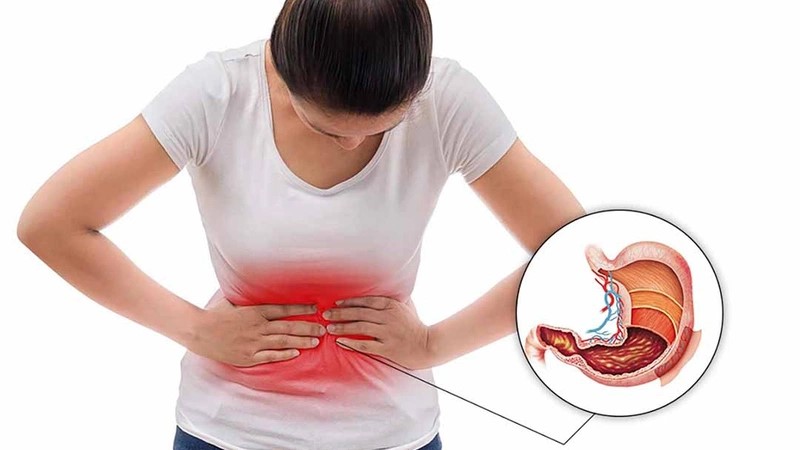
2. Peptic Ulcer Disease
Peptic ulcers are open sores that develop in the stomach or the first part of the small intestine. Eating can irritate the ulcer, causing pain
shortly after meals.
Common symptoms:
-
Sharp or burning stomach pain after eating
-
Pain that improves or worsens with food
-
Heartburn
-
Dark stools or vomiting blood (in severe cases)
Possible causes:
-
H. pylori infection
-
Long-term NSAID use
-
Excess stomach acid
Ulcers require medical treatment, as complications can be serious.
3. Gallbladder Disease (Gallstones or Cholecystitis)
The gallbladder helps digest fats. When you eat fatty foods, the gallbladder contracts, which can cause pain if gallstones or inflammation are
present.
Common symptoms:
-
Pain in the upper right abdomen after eating
-
Pain radiating to the back or right shoulder
-
Nausea and vomiting
-
Pain that worsens after fatty meals
Gallbladder-related pain often appears 30 minutes to a few hours after eating.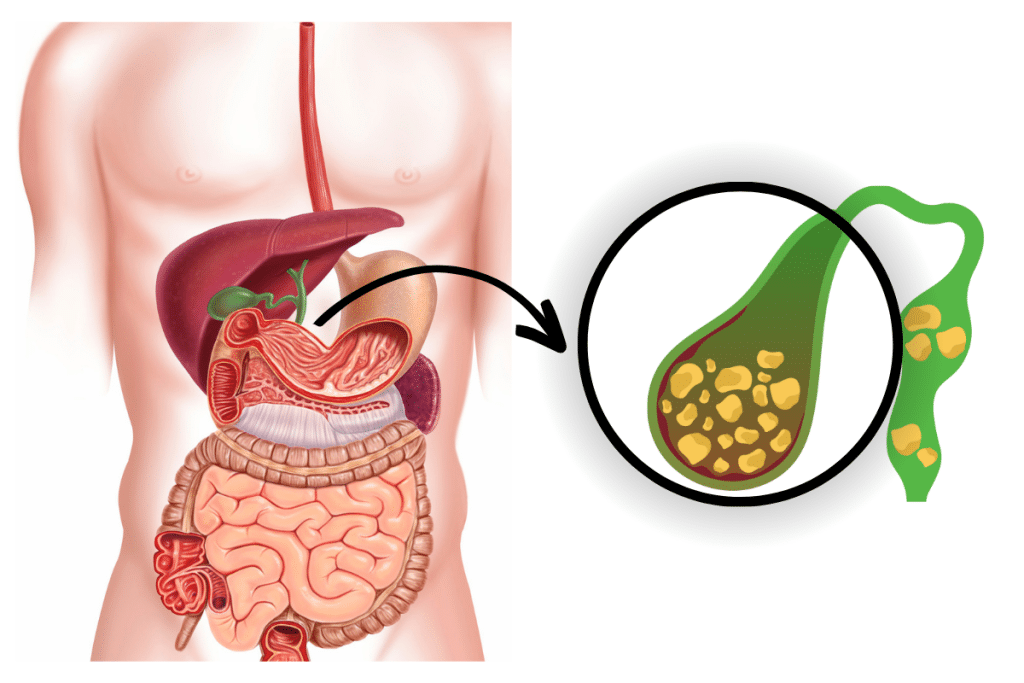
4. Pancreatitis
Pancreatitis is inflammation of the pancreas, an organ essential for digestion. Eating, especially fatty meals, can intensify the pain.
Common symptoms:
-
Severe upper abdominal pain after eating
-
Pain that spreads to the back
-
Nausea, vomiting, and fever
-
Pain that improves when leaning forward
Pancreatitis can be acute or chronic and requires prompt medical care.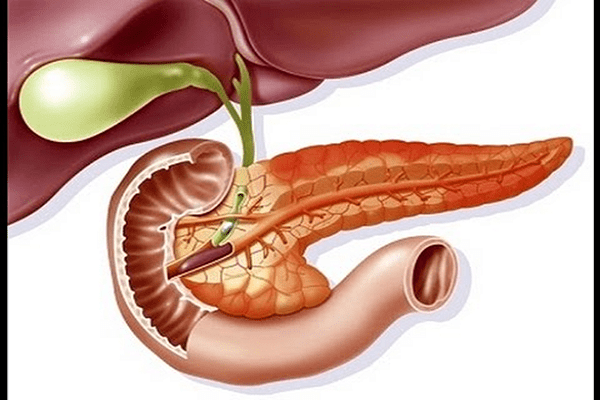
5. Irritable Bowel Syndrome (IBS)
IBS is a functional digestive disorder that affects how the intestines move and process food. Pain often appears after meals due to increased
intestinal activity.
Common symptoms:
-
Cramping or abdominal pain after eating
-
Bloating and gas
-
Diarrhea, constipation, or alternating patterns
-
Relief after bowel movements
While IBS doesn’t damage the digestive tract, it can significantly affect quality of life.
When to Seek Medical Attention
You should consult a healthcare provider if stomach pain after eating:
-
Occurs frequently or worsens over time
-
Is severe or sudden
-
Is accompanied by weight loss, vomiting, or blood in stools
-
Interferes with daily life
Early diagnosis helps prevent complications and ensures proper treatment.
Final Thoughts
Occasional stomach discomfort after eating may be harmless, but persistent or recurring pain is not something to ignore. Conditions such
as gastritis, ulcers, gallbladder disease, pancreatitis, and IBS often reveal themselves during digestion.
Listening to your body, adjusting dietary habits, and seeking medical evaluation when needed can protect your digestive health and prevent
more serious problems in the future.