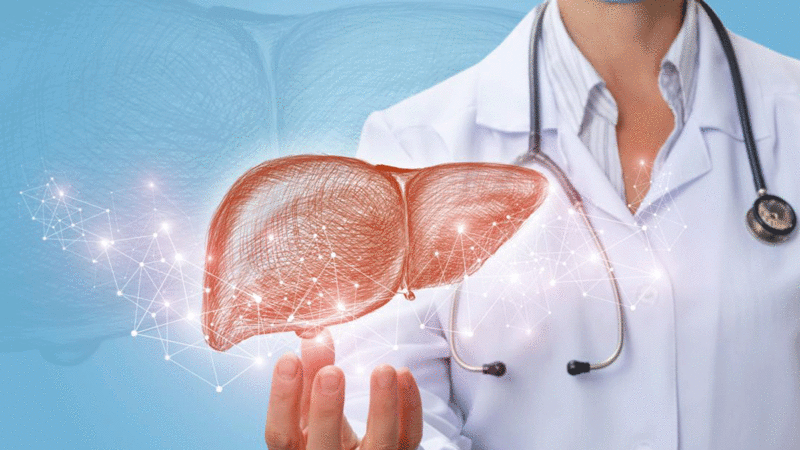
The liver is one of the hardest-working organs in the body. It filters toxins, regulates metabolism, produces bile for digestion, stores nutrients,
and supports hormone balance. Because it performs so many vital tasks, even mild liver dysfunction can affect the entire body.
What makes liver disease particularly dangerous is that early damage often develops quietly, with symptoms appearing only after the liver
has been under stress for a long time. However, traditional medicine and modern clinical observation both note a set of visible warning signs
often described as “3 yellows and 1 red.” These signs can act as early alarms that liver health may be compromised.
Understanding these signals can help prompt earlier medical attention and prevent more serious complications.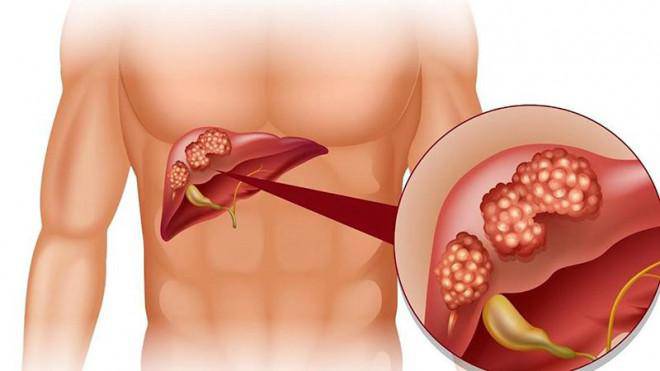
What Are the “3 Yellows and 1 Red”?
The phrase refers to three abnormal yellow changes and one red change that may appear when liver function declines:
-
Yellowing of the eyes
-
Yellowing of the skin
-
Yellow urine
-
Red spots or redness on the skin
Each of these signs is linked to how the liver processes bile, blood, and toxins.
1. Yellowing of the Eyes (Scleral Icterus)
One of the earliest and most noticeable signs of liver trouble is yellowing of the whites of the eyes. This happens when the liver can no
longer efficiently process bilirubin, a yellow pigment produced when red blood cells break down.
When bilirubin builds up in the bloodstream, it settles in tissues with high elasticity, such as the sclera (the whites of the eyes).
Possible underlying causes include:
-
Hepatitis
-
Fatty liver disease
-
Bile duct obstruction
-
Liver inflammation or damage
Because the eyes are easy to observe, this sign is often noticed before skin discoloration appears.
2. Yellowing of the Skin (Jaundice)
As bilirubin levels continue to rise, the skin may take on a yellow or yellow-green tint, a condition known as jaundice. This usually starts
subtly on the face or palms and becomes more obvious over time.
Jaundice indicates that:
-
The liver is struggling to process or excrete bile
-
Bile flow may be blocked
-
Liver cells may be damaged
In adults, jaundice is always a warning sign that requires medical evaluation, especially when accompanied by fatigue, itching, or abdominal
discomfort.
3. Yellow or Dark Urine
When excess bilirubin cannot exit the body through bile, it is filtered by the kidneys instead. This causes urine to become dark yellow,
amber, or even tea-colored, even when water intake is normal.
Many people mistake this sign for dehydration, but persistent dark urine despite adequate hydration may point to liver dysfunction.
This symptom often appears before skin yellowing and can serve as an early clue that the liver is under strain.
4. Red Spots or Redness on the Skin (“The 1 Red”)
The “red” typically refers to small red spider-like blood vessels, commonly seen on the chest, face, neck, or arms. These are known as spider
angiomas.
They occur when:
-
The liver fails to properly regulate estrogen levels
-
Blood vessels become dilated near the skin’s surface
Other red signs may include:
-
Red palms
-
Easy bruising
-
Skin flushing
These changes reflect impaired blood and hormone regulation, both key liver functions.
Why These Signs Matter
The liver has a remarkable ability to regenerate, but only if damage is detected early. When warning signs like the “3 yellows and 1 red”
appear, they often indicate that liver stress has been present for some time.
If left unaddressed, liver dysfunction can progress to:
-
Chronic hepatitis
-
Fatty liver disease
-
Cirrhosis
-
Liver failure
Early recognition allows for lifestyle changes, medical treatment, and monitoring that can slow or even reverse damage.
Common Habits That Harm Liver Health
Several everyday habits increase liver burden, including:
-
Excessive alcohol consumption
-
High-fat and high-sugar diets
-
Long-term use of certain medications without supervision
-
Chronic stress and sleep deprivation
-
Exposure to toxins or chemicals
Reducing these risk factors is essential once warning signs appear.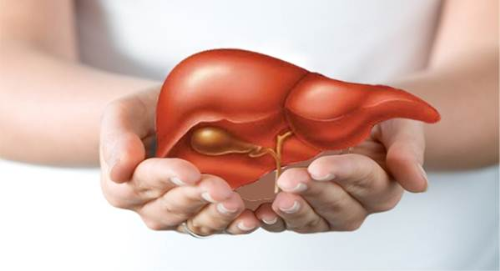
How to Support Liver Health
If you notice any of the “3 yellows and 1 red,” experts recommend:
-
Seeking medical evaluation and liver function testing
-
Limiting alcohol and processed foods
-
Eating more vegetables, fruits, and whole grains
-
Staying hydrated
-
Getting enough sleep
-
Avoiding unnecessary medications or supplements
Early action can significantly improve outcomes.
Final Thoughts
The body often whispers before it screams. Yellowing of the eyes, skin, and urine, along with unexplained redness on the skin, are not
cosmetic issues - they are messages from the liver.
Paying attention to these signs can help catch liver problems early, when treatment is most effective. When it comes to liver health, awareness
and timely response can make the difference between recovery and long-term damage.