
Many individuals are unaware that their blood pressure is elevated, which increases their risk of severe complications, including heart disease, stroke, kidney damage, and even vision loss. Despite its prevalence, hypertension is preventable and manageable with the right approach.
While excessive salt intake has long been associated with high blood pressure, it is not the only factor contributing to this condition. Genetics, sedentary lifestyles, stress, and obesity also significantly affect blood pressure levels. Effectively managing hypertension requires a comprehensive strategy that involves not just reducing salt intake, but also adopting healthier lifestyle habits, maintaining a balanced diet, engaging in regular exercise, and receiving consistent medical care.
The Importance of a Balanced Diet

One of the most potent tools for controlling blood pressure is a healthy diet. The foods you consume have a direct impact on your heart health and blood pressure regulation.
“While salt plays a role, there are other dietary factors that contribute to hypertension,” medical experts point out, highlighting that overall diet quality is just as important as sodium levels.
To start, reducing sodium intake is essential. This can be achieved by avoiding processed foods, which are often loaded with hidden salts, and limiting the amount of table salt added to meals. In addition to cutting back on salt, consider focusing on foods that naturally support cardiovascular health:
-
Fruits and Vegetables: These are packed with potassium, a mineral that helps balance sodium levels in the body, contributing to better regulation of blood pressure.
-
Whole Grains: Foods such as brown rice, oats, and quinoa help maintain healthy cholesterol levels and improve overall circulation, reducing strain on the heart.
-
Lean Proteins and Healthy Fats: Foods like fish (especially fatty fish rich in omega-3s), nuts, seeds, and olive oil are beneficial for heart health and help protect arteries from damage.
-
Dairy: Low-fat or fat-free dairy products can help reduce blood pressure by providing calcium, which is essential for proper muscle function, including the muscles in your blood vessels.
Limiting saturated fats, refined sugars, and highly processed snacks will also help reduce the strain on your heart and blood vessels. These foods can contribute to inflammation, cholesterol build-up, and other factors that elevate blood pressure.
Exercise and Professional Guidance
Physical activity is another fundamental aspect of hypertension management. Regular exercise strengthens the heart, improves blood flow, and helps you maintain a healthy weight — all of which naturally lower blood pressure.
Studies consistently show that engaging in activities such as walking, jogging, cycling, or swimming three to five times a week can have a profound impact on lowering blood pressure. Exercise also serves as a stress reliever, which is important because stress is a known trigger for elevated blood pressure.
However, it’s crucial to consult with a healthcare provider before embarking on any new exercise program, especially if you have existing hypertension or other medical conditions. A doctor can help you design a safe and effective fitness routine that aligns with your individual needs and capabilities. For individuals with hypertension, low- to moderate-intensity exercises are often recommended to avoid putting additional strain on the heart.
The Role of Regular Checkups and Stress Management
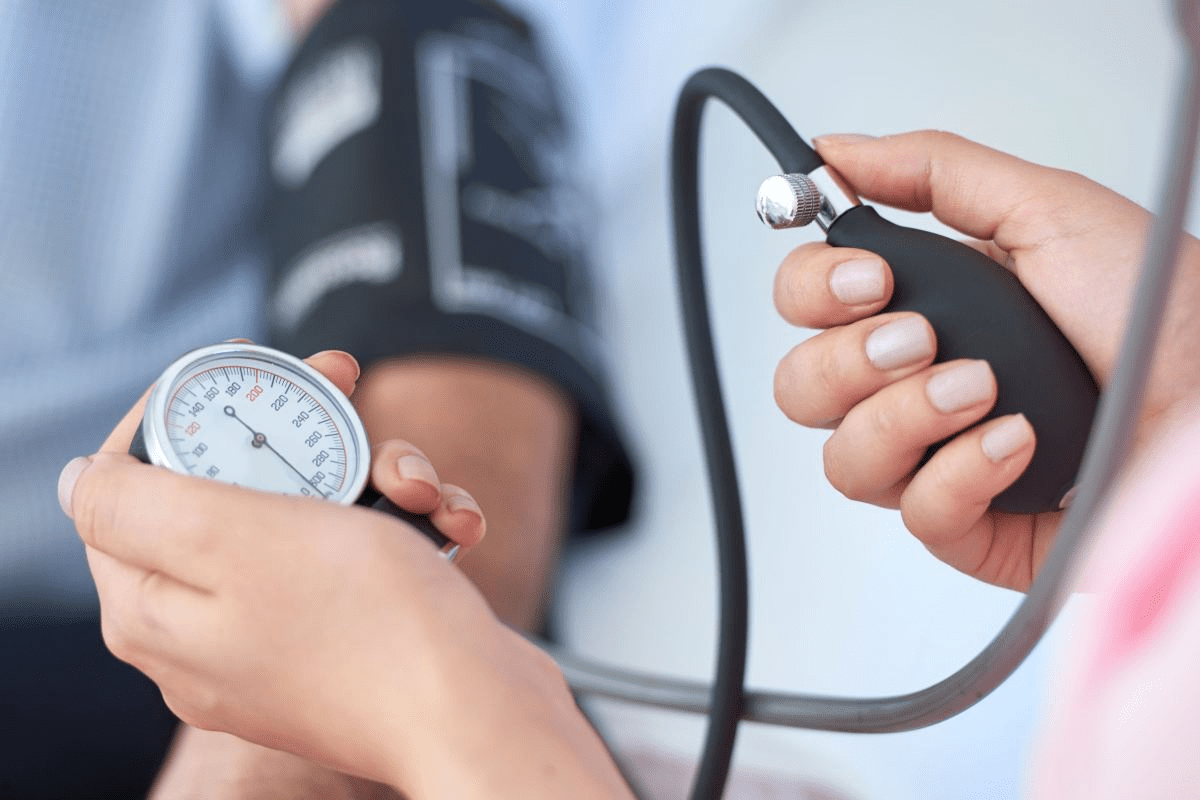
In addition to maintaining a healthy lifestyle, regular medical checkups are vital for monitoring blood pressure. Frequent checkups allow for the early detection of rising blood pressure levels, ensuring that timely interventions, including lifestyle adjustments or medications, can be made.
Establishing a trusting relationship with a healthcare provider is key for making informed decisions about your overall health. A doctor can guide you on necessary lifestyle modifications, help manage any existing conditions, and provide advice on blood pressure management. In some cases, medication may be needed, but this should always be part of a broader strategy that includes diet and exercise.
Beyond physical health, managing stress is crucial. Chronic stress increases cortisol levels, which can cause temporary spikes in blood pressure. Over time, sustained high levels of cortisol can contribute to long-term cardiovascular damage. Stress management techniques like deep breathing exercises, yoga, meditation, and even short daily walks can significantly reduce cortisol levels and promote relaxation.
The Bottom Line: A Balanced Lifestyle for Heart Health
Managing hypertension isn’t about making just one change. It’s about adopting a holistic approach to your lifestyle, which includes a balanced diet, regular physical activity, and routine medical checkups. Creating a comprehensive strategy that incorporates these elements will not only help control blood pressure but also reduce the risk of heart disease, stroke, and other complications related to hypertension.
With consistent effort, mindfulness, and professional guidance, it’s absolutely possible to keep your blood pressure within a healthy range and improve your overall quality of life. Remember, taking care of your heart is an investment in your future health and well-being.
By incorporating healthier habits and working with your healthcare provider, you can manage hypertension and ensure that your cardiovascular system functions optimally throughout your life.