5 "No's" When Eating Water Spinach: Know Them to Avoid Disaster
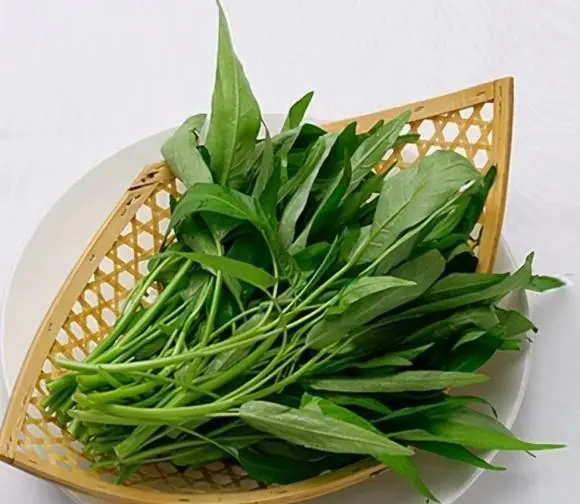
Water spinach, also known as morning glory or Ipomoea aquatica, is a popular leafy vegetable enjoyed worldwide for its delicious taste and nutritional benefits. However, like many greens, it requires careful handling and consumption practices to ensure it’s safe and healthy. Ignoring these essential “no's” when eating water spinach can lead to foodborne illnesses or other health issues. Here are five crucial “no's” to keep in mind:
1. No Eating Raw Without Proper Washing
Water spinach often grows in watery environments that may contain contaminants such as bacteria, parasites, or harmful chemicals. Eating it raw without thoroughly washing can expose you to these risks. Always wash water spinach multiple times in clean water before cooking or consumption.
2. No Eating Water Spinach from Polluted Water Sources
Avoid purchasing or harvesting water spinach from polluted rivers, lakes, or irrigation canals. These waters may contain heavy metals, pesticides, or microbial contaminants that can accumulate in the plant, posing serious health risks.
3. No Overcooking or Burning
While cooking water spinach thoroughly is important, overcooking or burning it can destroy its nutrients and produce harmful compounds. Light steaming or stir-frying is usually sufficient to preserve its flavor and health benefits.
4. No Consuming Water Spinach with Certain Medications
Water spinach contains high levels of vitamin K, which can interfere with blood-thinning medications like warfarin. If you are on such medications, consult your doctor before adding water spinach regularly to your diet.
5. No Ignoring Signs of Spoilage
Never consume water spinach that looks wilted, slimy, or has an unpleasant odor. Spoiled vegetables can harbor harmful bacteria and toxins that may cause food poisoning.
Conclusion
Water spinach is a nutritious and tasty vegetable, but it requires careful handling to avoid health risks. Remembering these five “no's” — not eating raw without washing, avoiding polluted sources, cooking properly, considering medication interactions, and recognizing spoilage — can help you enjoy water spinach safely and healthily.