6 Early Signs of Stage 1 Colon Cancer That Should Not Be Ignored
Colon cancer often develops quietly, especially in its early stages. At stage 1, symptoms may be mild or easily mistaken for common digestive issues. That’s why many people overlook the warning signs—until the disease progresses.
The key advantage of early-stage detection is that treatment outcomes are significantly better. Understanding these subtle signals can make a critical difference.
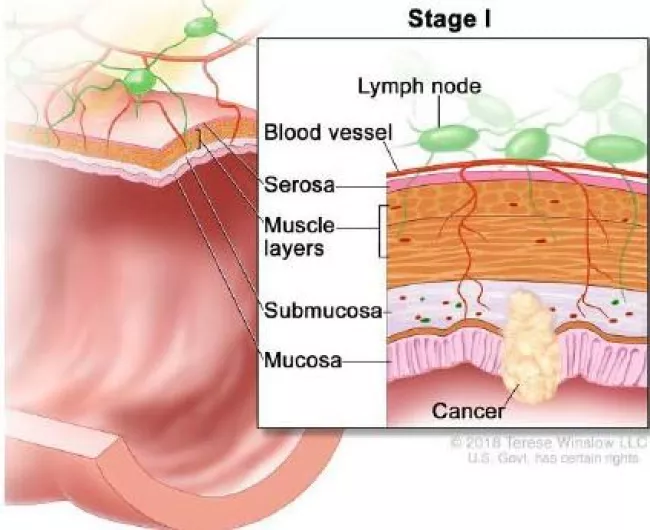
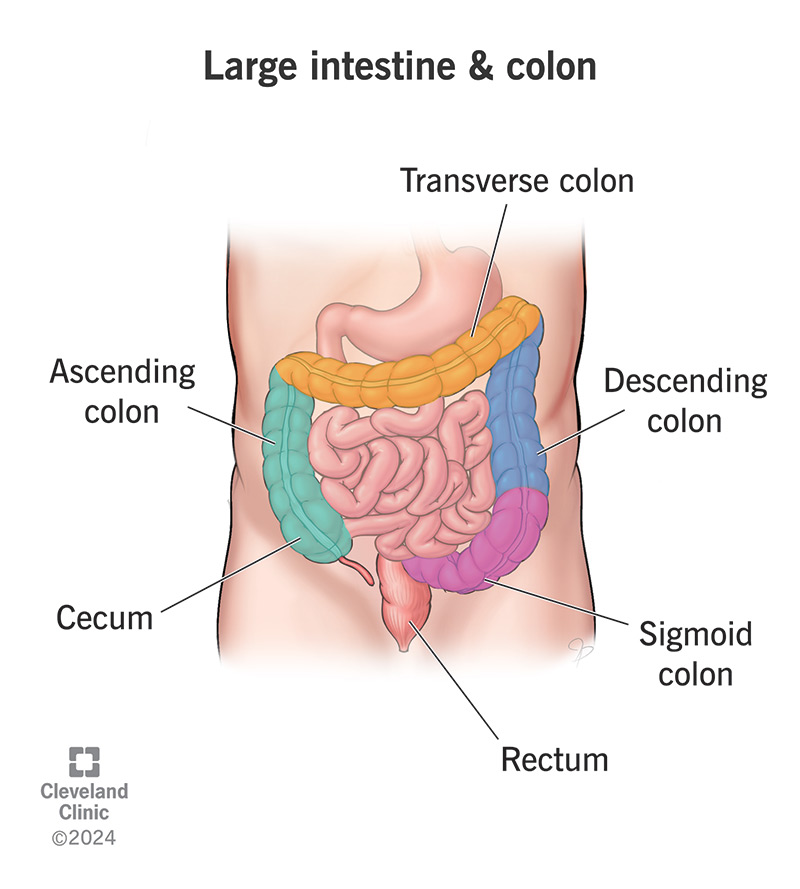
What Happens in Stage 1 Colon Cancer?
 4
4
At this stage:
- Cancer is limited to the inner layers of the colon
- It has not spread to lymph nodes or distant organs
- Symptoms are often minimal but detectable
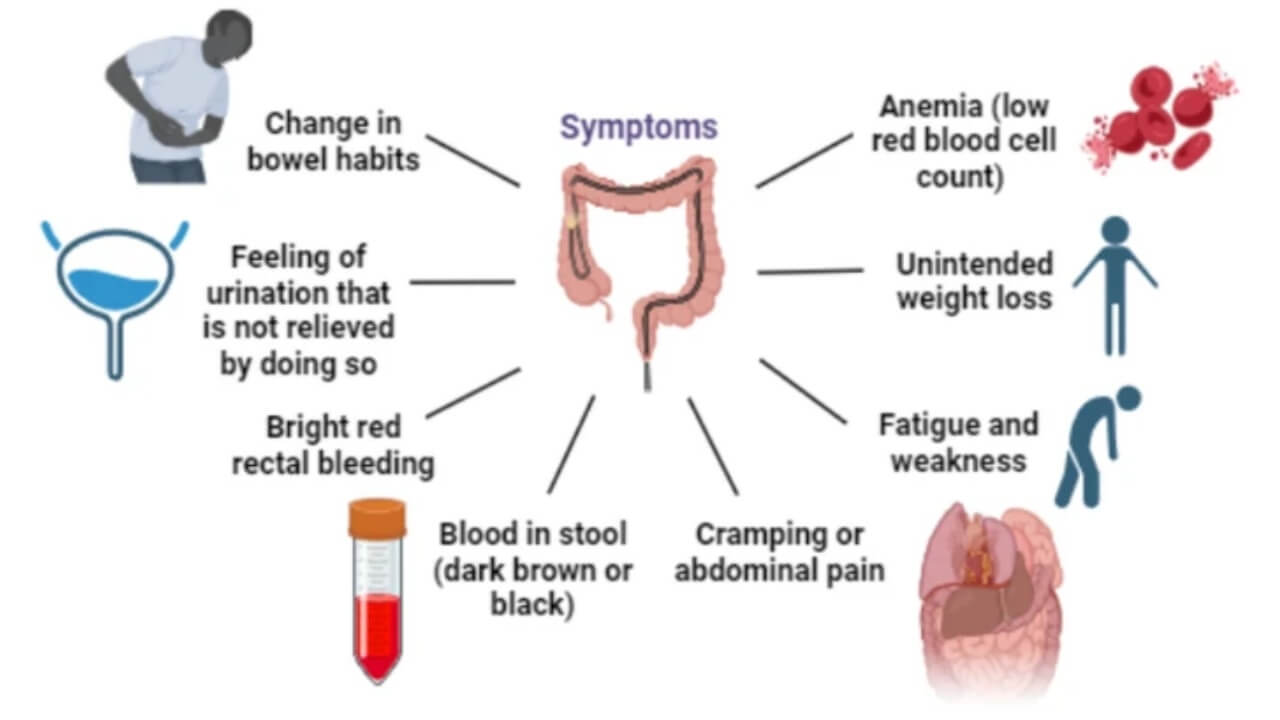
1. Changes in Bowel Habits
One of the earliest signs is a noticeable change in how your digestive system behaves:
- Frequent diarrhea or constipation
- Alternating between both
- Feeling like the bowel doesn’t empty completely
If this lasts for more than a couple of weeks, it shouldn’t be ignored.
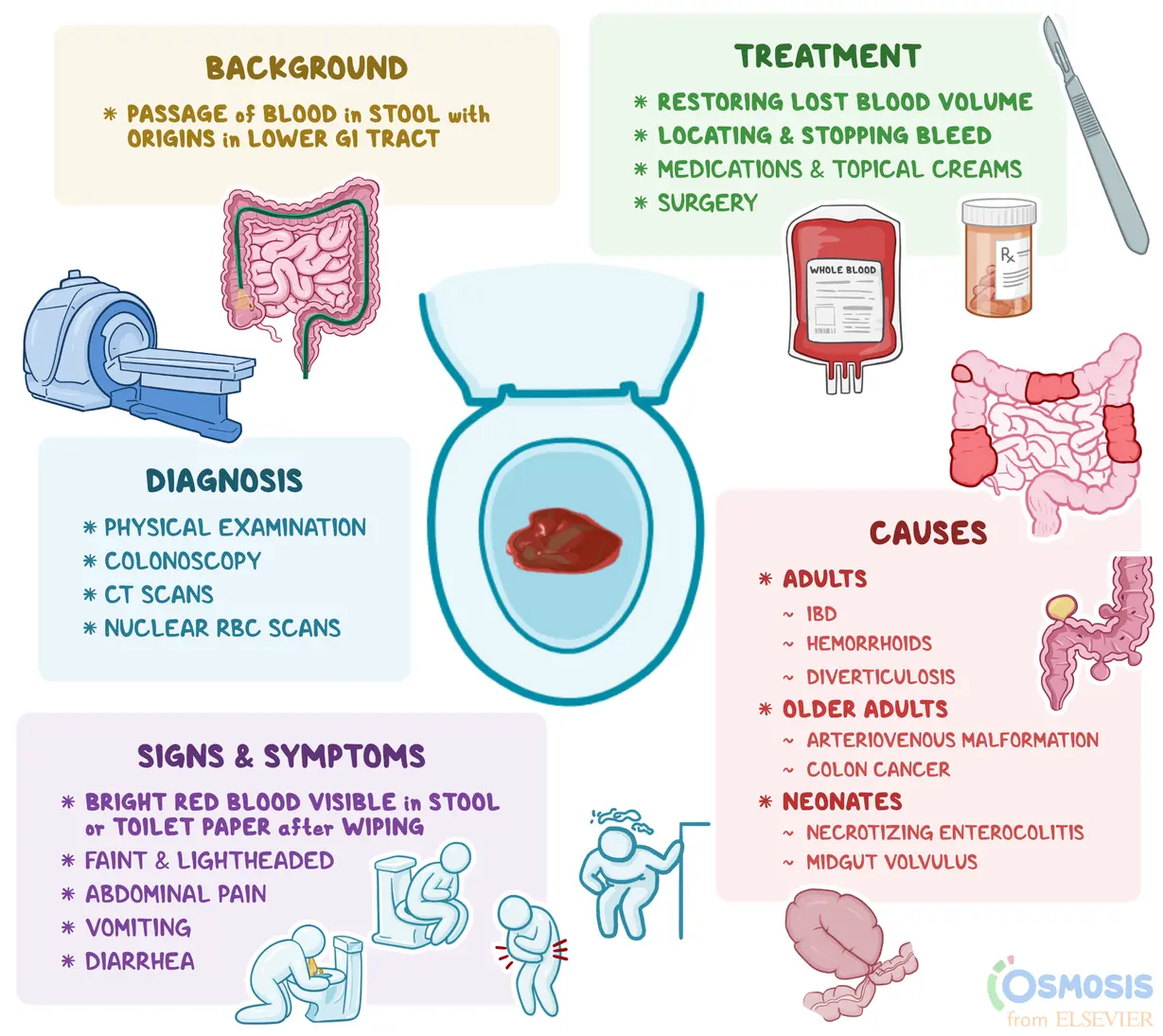
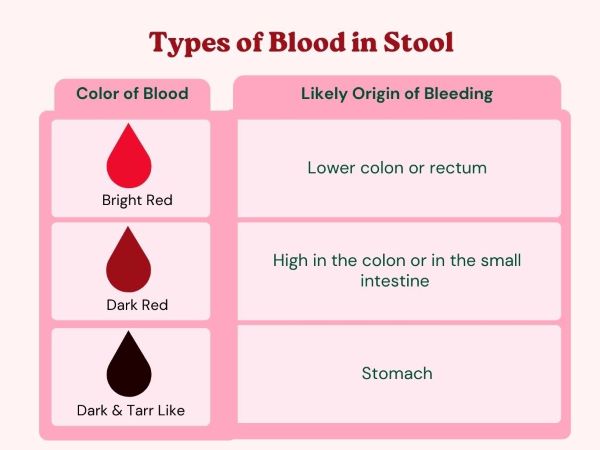
2. Blood in the Stool
 4
4
Blood may appear as:
- Bright red streaks
- Dark or black stool
Even small amounts can indicate bleeding in the digestive tract. While it may be caused by less serious issues like hemorrhoids, it still requires evaluation.
3. Persistent Abdominal Discomfort
Ongoing discomfort such as:
- Cramping
- Gas
- Bloating
- Mild pain
This discomfort may come and go but tends to persist over time.
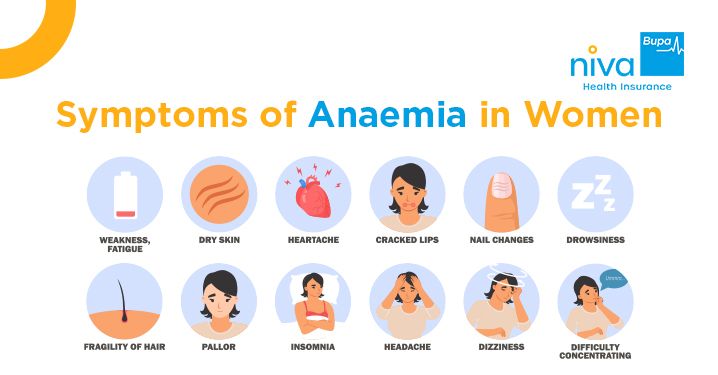
4. Unexplained Fatigue

 4
4
Fatigue may occur due to slow, unnoticed blood loss leading to anemia.
Signs include:
- Constant tiredness
- Weakness
- Shortness of breath during light activity
5. Narrow or Thin Stools
If stools become consistently thinner than usual, it may indicate:
- A partial blockage in the colon
- Changes in the shape of the intestinal passage
This is often overlooked but can be an early warning sign.
6. Unintentional Weight Loss
Losing weight without trying may signal that the body is under stress from abnormal cell growth.
This symptom usually appears later but can still occur in early stages for some individuals.
Why These Signs Are Easy to Miss
These symptoms are often mistaken for:
- Digestive issues
- Diet-related changes
- Stress or lifestyle factors
Because they are mild and gradual, many people delay seeking medical advice.
When to See a Doctor
You should consider medical evaluation if:
- Symptoms last more than 2–3 weeks
- There is blood in the stool
- Fatigue becomes persistent
- Digestive habits change noticeably
Early screening, such as colonoscopy, can detect issues before they become serious.
Prevention and Awareness
- Eat a fiber-rich diet
- Stay physically active
- Limit processed foods
- Avoid smoking and excessive alcohol
- Get regular screenings (especially over age 45 or with family history)
Final Thoughts
Stage 1 colon cancer often whispers rather than shouts. The symptoms may seem small—but they matter.
Listening to your body, noticing changes, and acting early can dramatically improve outcomes. What seems minor today could be a crucial signal worth paying attention to.