Muscle Pain Behind the Knee: A Warning Sign You Should Not Ignore
Pain behind the knee might seem minor at first—just a bit of soreness after walking, exercising, or sitting too long. But in reality, this area is complex, involving muscles, ligaments, tendons, and blood vessels. When pain appears here, especially persistently, it can signal more than simple fatigue.
Understanding the possible causes can help prevent long-term damage and ensure timely treatment.
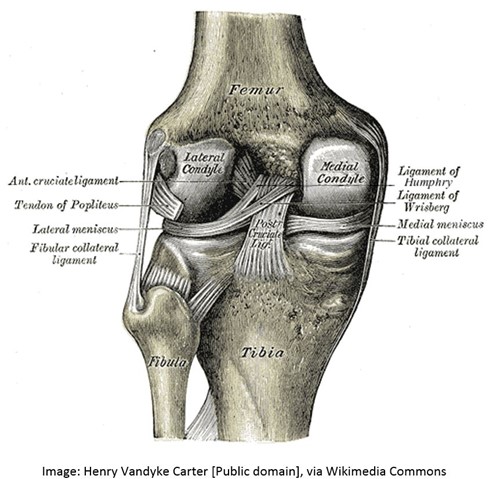
What’s Behind the Knee?

 4
4
The back of the knee (called the popliteal region) contains:
- Hamstring tendons
- The iliotibial (IT) band
- Ligaments and cartilage
- Blood vessels and nerves
Because so many structures meet here, pain can come from different sources—and each one requires a different approach.
Common Causes of Pain Behind the Knee
1. Hamstring Strain
Overstretching or overuse of the hamstring muscles can lead to:
- Tightness behind the knee
- Pain when bending or straightening the leg
- Discomfort during walking or running
This is common in athletes or people who suddenly increase activity.
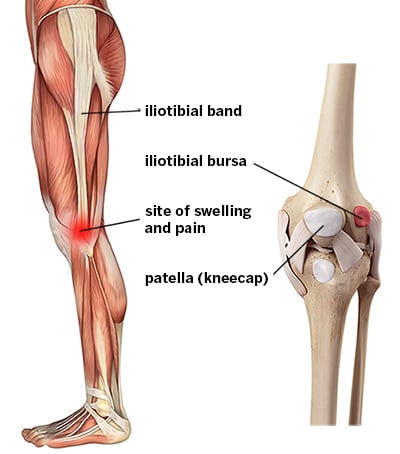
2. Iliotibial (IT) Band Syndrome

 4
4
The IT band runs along the outside of the thigh and connects near the knee. When tight or inflamed, it can cause:
- Pain on the outer back side of the knee
- A sharp or burning sensation during movement
- Increased discomfort with activity
3. Baker’s Cyst (Fluid Buildup)
A Baker’s cyst is a fluid-filled swelling behind the knee. It may cause:
- Visible swelling
- Tightness or pressure
- Pain when bending the knee
Sometimes, it’s linked to underlying joint issues like arthritis.
4. Ligament or Meniscus Injury
Injuries to knee structures can lead to pain that radiates to the back:
- Sudden twisting movements
- Sports-related injuries
- Knee instability or locking
These often require medical evaluation.
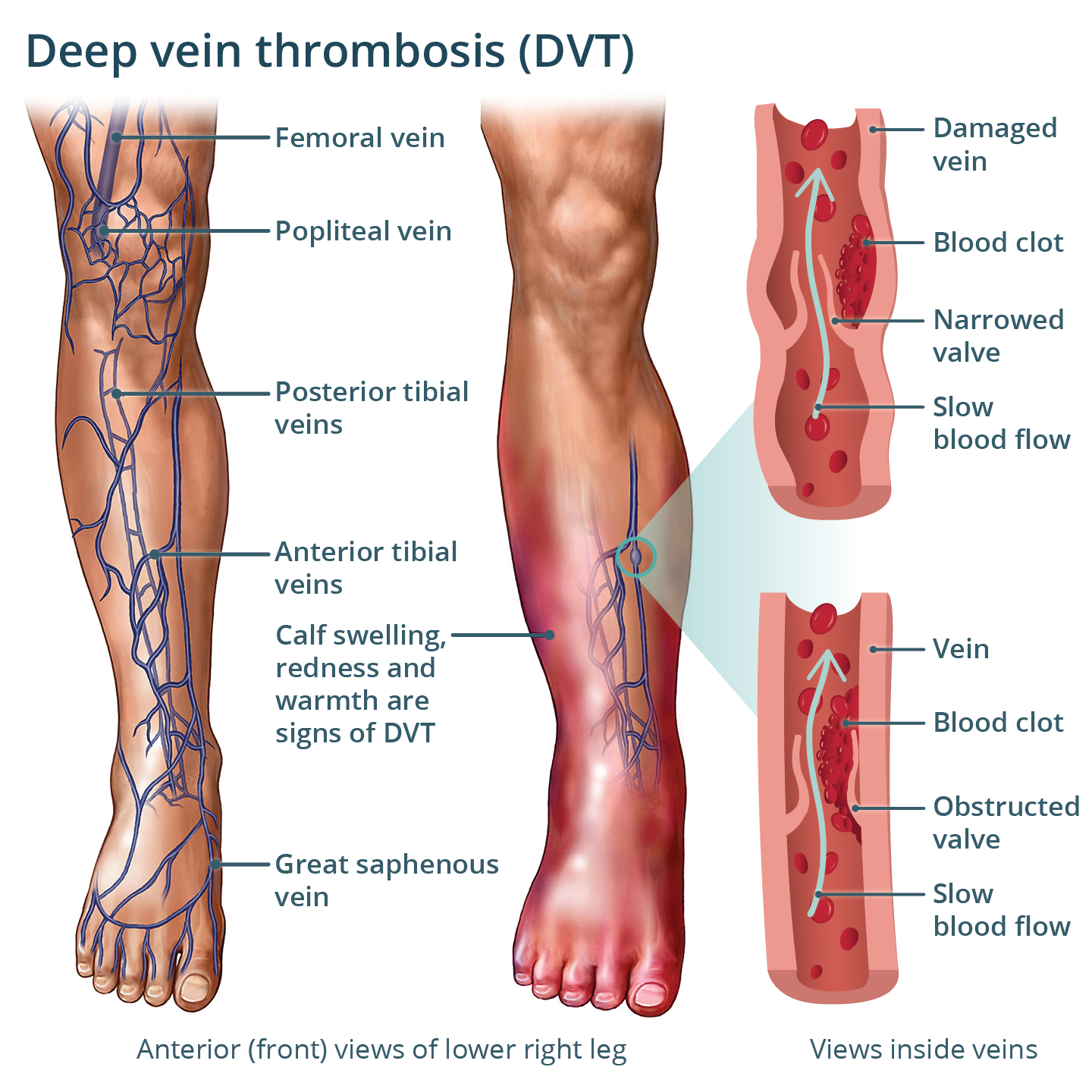
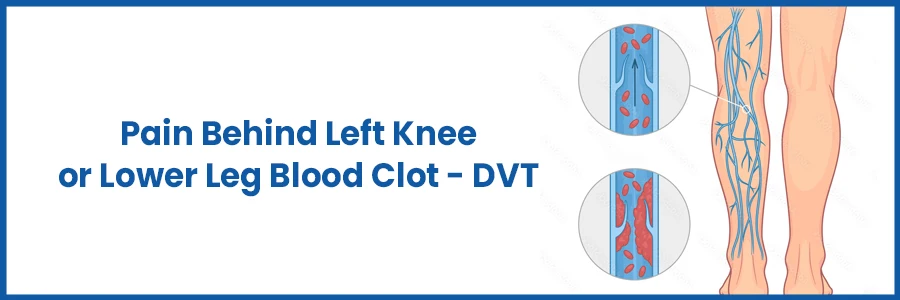
5. Blood Clots (Serious Warning)
 4
4
In rare but serious cases, pain behind the knee may be caused by deep vein thrombosis (DVT).
Warning signs include:
- Swelling in one leg
- Warmth or redness
- Persistent pain that doesn’t improve
This is a medical emergency and requires immediate attention.
When Should You Be Concerned?
Not all knee pain is dangerous, but you should take it seriously if:
- Pain lasts more than a few days
- It worsens instead of improving
- There is swelling, redness, or warmth
- Walking becomes difficult
- Pain appears suddenly without clear cause
Simple Ways to Relieve Mild Pain
For minor muscle-related pain:
- Rest and avoid overuse
- Apply ice to reduce inflammation
- Stretch gently (especially hamstrings and calves)
- Use proper footwear
However, these only help if the cause is not serious.
Prevention Tips
- Warm up before exercise
- Stretch regularly
- Maintain muscle flexibility
- Avoid sudden increases in physical activity
- Stay active but balanced
Final Thoughts
Pain behind the knee is easy to ignore—but it shouldn’t be. Sometimes it’s just a minor strain, but other times it can signal deeper issues, including joint damage or even circulatory problems.
Listening to your body early can prevent complications later. If something feels off and doesn’t improve, getting it checked is always the smarter move.