Social media is filled with alarming claims about everyday foods containing “cancer-destroying” or even dangerous substances. Headlines often urge people to “stop eating immediately,” creating fear and confusion.
But how much of this is true? Are common foods really that dangerous, or are these claims exaggerated? In this article, we break down the science behind such warnings and highlight five types of foods that may carry risks—when handled improperly.
Understanding the Claim
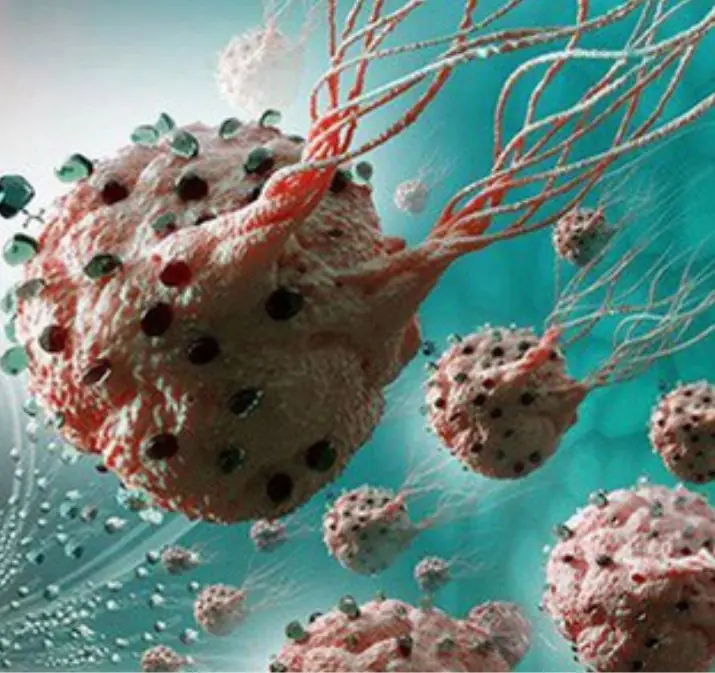
The phrase “cancer-destroying substances” is often misused. In many cases, it refers to:
- Harmful compounds formed during processing
- Contaminants like mold toxins
- Natural substances that become dangerous under certain conditions
However, no everyday food is inherently “toxic” in normal amounts. Risk depends on how food is prepared, stored, and consumed.
1. Moldy Foods and Aflatoxins
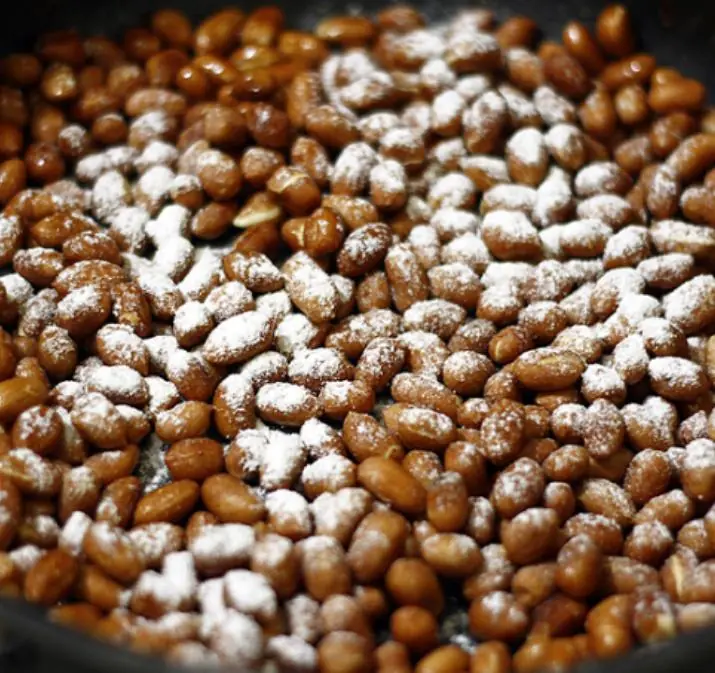
The image shows peanuts with visible white powder or coating, which may indicate mold contamination. Certain molds produce aflatoxins, toxic compounds linked to liver damage and increased cancer risk.
Key Risks:
- Long-term exposure may affect liver health
- Contamination is more common in improperly stored nuts and grains
How to Stay Safe:
- Avoid eating moldy or discolored foods
- Store nuts in dry, cool conditions
- Choose reputable brands
2. Processed and Burnt Foods
Overcooked or charred foods—especially meats—can produce harmful substances such as:
- Acrylamide (in fried or baked foods)
- Heterocyclic amines (HCAs)
Health Impact:
These compounds have been linked to cancer risk in animal studies, though human evidence is still being studied.
Safety Tips:
- Avoid burning or over-frying foods
- Cook at moderate temperatures
- Balance with fresh, whole foods
3. Highly Processed Foods
Packaged snacks, processed meats, and instant foods often contain:
- Preservatives
- Additives
- High levels of salt and unhealthy fats
Potential Concerns:
- Long-term consumption may increase risk of chronic diseases
- May contribute to obesity, which is a known cancer risk factor
Better Choices:
- Opt for minimally processed foods
- Read labels carefully
4. Contaminated Produce
Fruits and vegetables are essential for health, but they can sometimes carry:
- Pesticide residues
- Bacteria or parasites
Risk Factors:
- Improper washing
- Contaminated water sources
Prevention:
- Wash produce thoroughly
- Peel when necessary
- Buy from trusted suppliers
5. Improperly Stored or Expired Foods
Food that is stored incorrectly can develop harmful bacteria or toxins.
Examples:
- Leftovers kept too long
- Food exposed to heat and moisture
Health Effects:
- Food poisoning
- Gastrointestinal illness
Safe Practices:
- Refrigerate perishable items promptly
- Follow expiration dates
- Reheat food properly
Are These Foods Truly “Dangerous”?
The answer is nuanced. Most of these foods are safe when handled correctly. The danger arises from:
- Poor storage conditions
- Excessive consumption
- Improper cooking methods
In other words, it’s not the food itself—but how we treat it.
What Experts Say
Health professionals caution against sensational claims. They emphasize:
- No single food will cause or prevent cancer on its own
- Overall dietary patterns matter more than individual items
- Balance and moderation are key
They also stress the importance of evidence-based information rather than viral headlines.
How to Build a Safer Diet
1. Focus on Fresh Foods
Include more:
- Vegetables
- Fruits
- Whole grains
2. Practice Proper Food Handling
- Wash, cook, and store food correctly
- Avoid cross-contamination
3. Limit Processed Items
Reduce intake of:
- Ultra-processed snacks
- Sugary drinks
4. Stay Informed
Rely on credible sources such as doctors and nutrition experts.
The Bigger Picture: Awareness, Not Fear
While headlines may exaggerate risks, they highlight an important message: food safety matters. Instead of eliminating foods entirely, focus on:
- Making informed choices
- Maintaining a balanced diet
- Practicing safe food habits
Conclusion
Claims about “dangerous foods” and “cancer-causing substances” can be misleading, but they often stem from real concerns about food safety and long-term health.
The key takeaway is simple: most foods are safe when consumed properly. By paying attention to how food is stored, prepared, and eaten, you can significantly reduce risks without unnecessary fear.