These Fish Are Tasty and Nutritious — But Eating the Wrong Type or Too Much Can Harm Your Health
Many types of fish are rich in protein, vitamins, and healthy fats. However, if you choose fish raised in poor conditions or consume certain species too often, you may unintentionally expose yourself to harmful substances such as mercury, saturated fat, or environmental toxins.
1. Farmed Salmon
Salmon is loved for its high omega-3 content, and many parents buy it for their children.
However, farmed salmon is often fed high-fat, processed feed to make them grow faster. As a result:
-
It may contain more calories and saturated fat but fewer essential minerals.
-
The omega-3 to omega-6 ratio is lower than in wild salmon.
-
If farming conditions are poor, the fish may accumulate contaminants such as dioxins and PCBs.
✔️ Tip: Choose wild-caught salmon whenever possible.
2. Tuna
Tuna is rich in vitamin D, omega-3 fatty acids, calcium, and iron.
However, large tuna species tend to accumulate high levels of mercury—in some cases significantly more than other fish.
-
Eating too much can increase the risk of mercury toxicity, especially for pregnant women and young children.
✔️ Best consumed in moderation.
3. Tilapia
Tilapia is affordable and widely consumed, but studies show:
-
It contains high levels of omega-6 fatty acids, which may promote inflammation when eaten in excess.
-
Poor-quality farmed tilapia may also be exposed to contaminated feed.
✔️ Choose reputable sources and avoid eating in large amounts.
4. Sea Bass
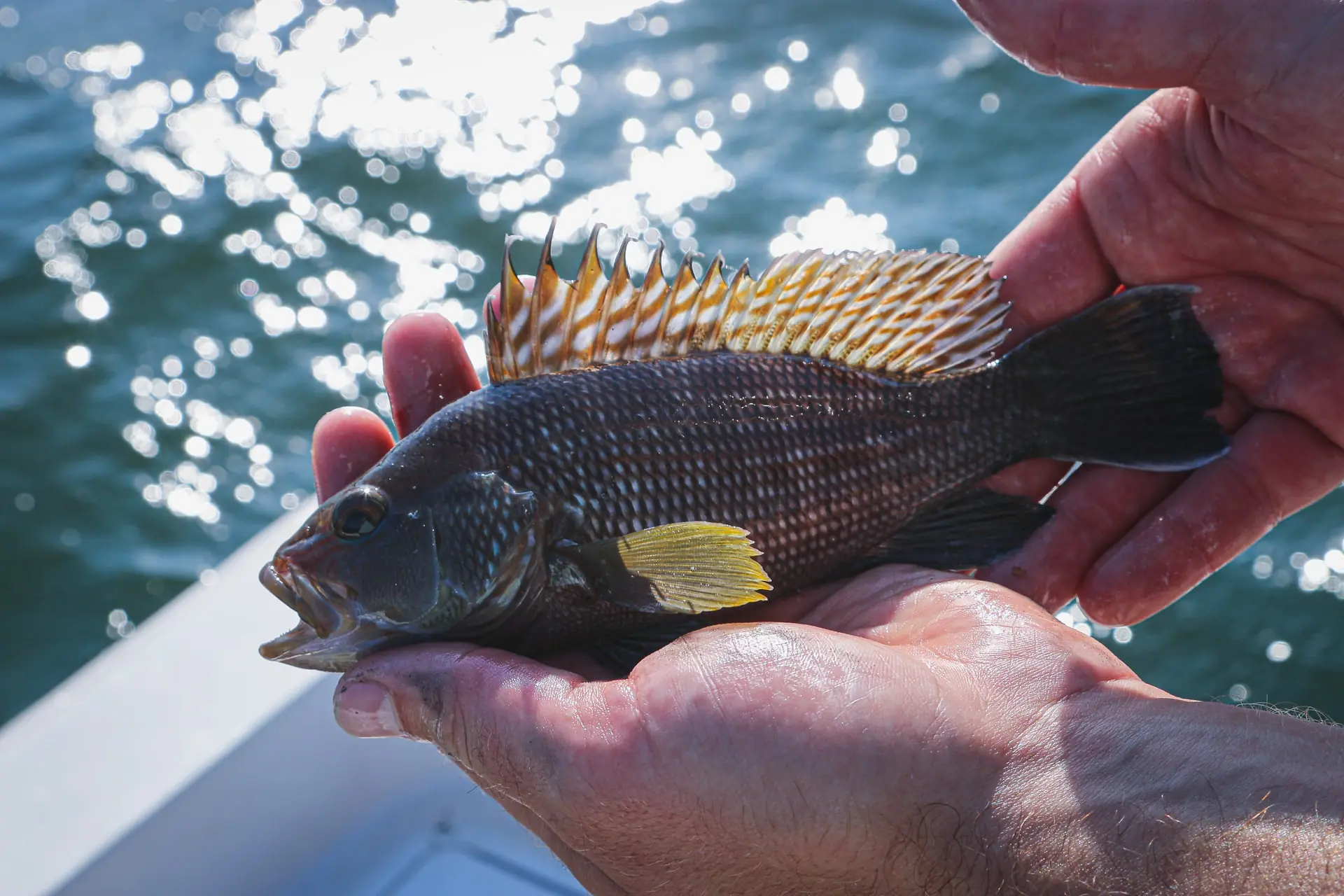
Sea bass is flavorful, but it can contain elevated mercury levels.
-
Adults should limit intake to around 200 g per month.
-
Children should consume no more than 100 g per month.
✔️ Enjoy occasionally, not regularly.
5. Swordfish
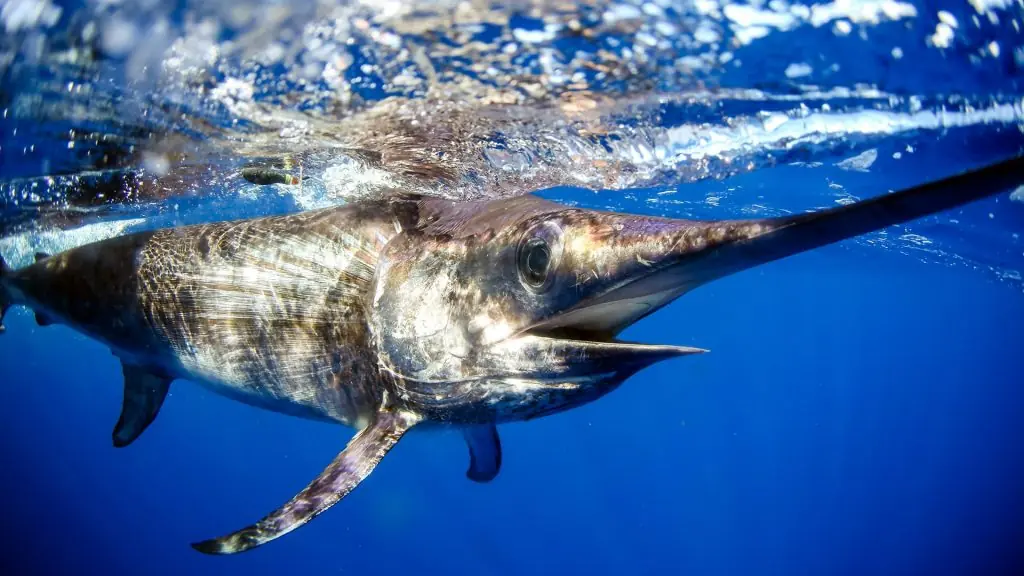
Swordfish is one of the fish with the highest mercury concentration.
-
Frequent consumption increases the risk of methylmercury poisoning.
-
Pregnant women and children should avoid it completely.
✔️ Limit or avoid this fish for safety.
6. Catfish
Catfish grow to large sizes, and in some farms, producers may use growth-promoting hormones or poor-quality feed.
-
These substances can be harmful to human health.
-
Wild-caught catfish is generally a safer option.
✔️ Choose wild catfish or certified safe farmed sources.