Avocado is often praised as one of the healthiest foods on earth. Rich in healthy fats, fiber, antioxidants, and over a dozen vitamins and minerals, it has become a staple in many diets—from salads and smoothies to sandwiches and breakfast bowls. But despite its impressive nutritional profile, avocado is not suitable for everyone. In fact, there are specific groups of people who should avoid eating it, no matter how delicious or nutritious it may seem.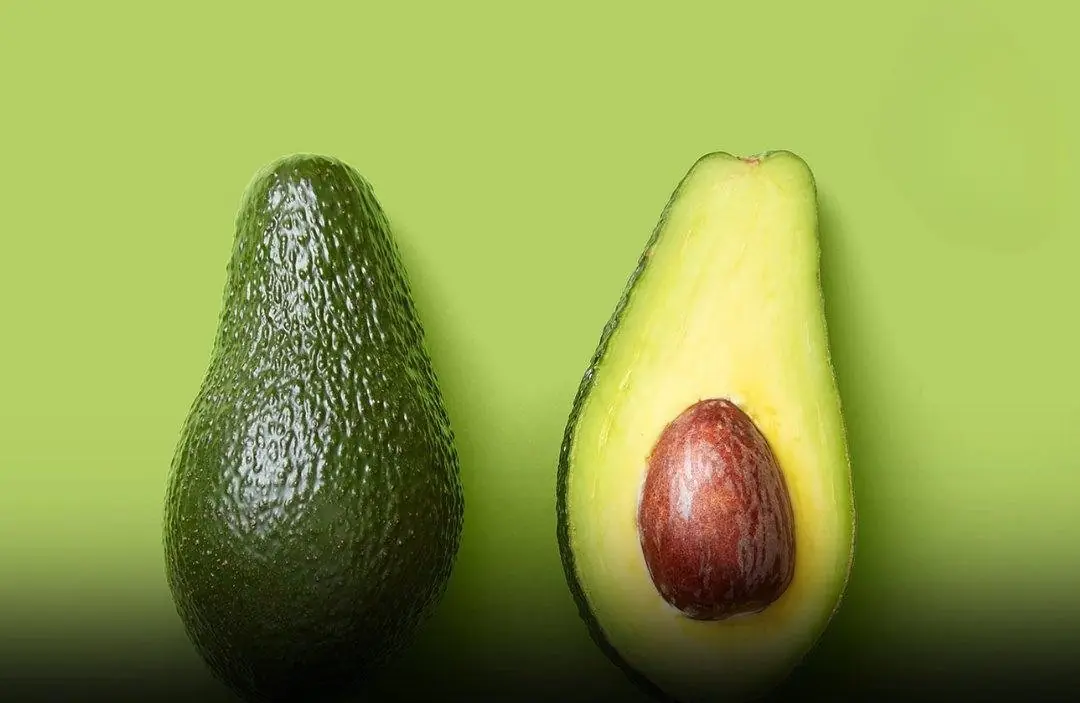
Health experts point out that while most people benefit from avocado, its unique fat composition, natural compounds, and potential interactions can make it risky for certain individuals. Here are five groups who should be extremely cautious—or avoid avocado altogether.
The first group is people with latex allergies. Many individuals don’t realize that avocado contains proteins similar to those found in natural latex. This can trigger cross-reactive allergic responses, leading to itching, swelling, hives, stomach cramps, or in severe cases, even difficulty breathing. Doctors often warn that if someone is allergic to latex, bananas, or kiwis, they should be careful with avocado, as the risk of reaction is higher.
The second group includes people with kidney problems, especially those with advanced kidney disease. Avocados are naturally very high in potassium. While healthy kidneys can balance potassium levels, damaged kidneys cannot filter it effectively. Excess potassium in the blood can cause dangerous heart rhythm problems. Many nephrologists advise their patients to avoid high-potassium foods, and avocado ranks near the top of that list. Even a single medium avocado can contain more potassium than a banana.
The third group is individuals with pancreatitis. Pancreatitis requires a strict low-fat diet, especially during recovery. Although avocado contains healthy fats, it is still a high-fat food, and consuming it can overstimulate the pancreas, worsening inflammation or slowing down the healing process. For these patients, even “good fats” can be harmful when the pancreas is already compromised.
The fourth group is people trying to lose weight but struggling with portion control. While avocado is nutritious, it is extremely calorie-dense. One medium avocado can contain over 250 calories. For people who tend to overeat or estimate portions incorrectly, eating avocado daily may lead to calorie surplus and stalled weight loss. The problem is not the avocado itself but the difficulty some individuals have in limiting their intake. Dietitians often recommend measuring serving sizes carefully or avoiding avocado if portion control is difficult.
The fifth group includes people taking certain medications, particularly blood thinners or anti-inflammatory drugs. Some compounds in avocado may reduce the effectiveness of warfarin and similar medications. This interaction can make the blood too thick, increasing the risk of clots. While not as widely known, this is something doctors increasingly warn patients about. Anyone on long-term medication should consult with a health professional before adding avocado to their diet regularly.
Of course, this does not mean avocado is dangerous for everyone. For most people, it is a deeply beneficial food. But understanding who should avoid it is essential, especially as more people adopt trendy diets that include avocado daily—often without considering individual health conditions.:quality(75)/2024_1_28_638420491040596944_bo-sap-thumbnail.jpg)
If you fall into one of these higher-risk groups, it’s best to seek proper medical advice before keeping avocado in your routine. Small dietary choices can have big impacts, and knowing what your body can—and cannot—handle is a step toward better long-term health.