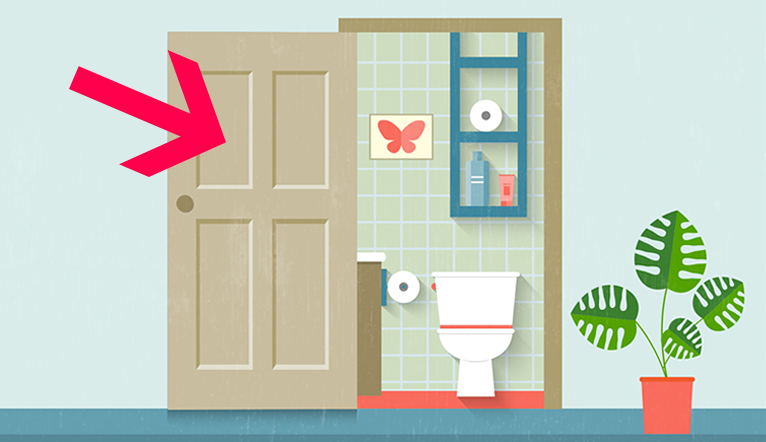
For years, people have debated a surprisingly common household question: Should the bathroom door stay open or closed when no one is using it? Although preferences differ across cultures and families, hygiene specialists, cleaning experts, and interior environmental researchers generally agree on one answer:
It is healthier and more sanitary to keep the bathroom door closed when the room is not in use.
Below is a comprehensive explanation of why closing the bathroom door is recommended, what exceptions exist, and how to maintain proper airflow without compromising cleanliness or indoor air quality.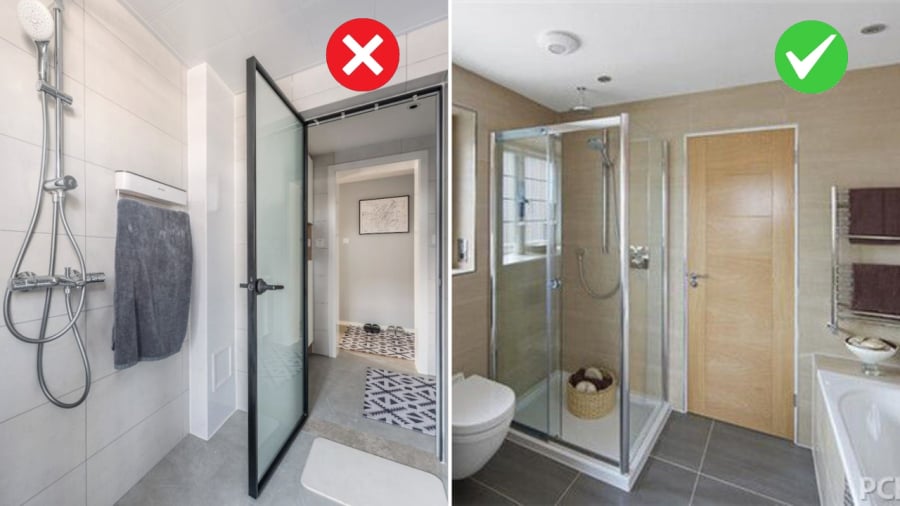
Why It’s Better to Keep the Bathroom Door Closed
1. It Prevents Odors From Spreading Throughout the Home
Bathrooms naturally produce strong odors, even when cleaned regularly. These odors come from:
-
Toilets
-
Drains
-
Damp towels
-
Moisture buildup
-
Cleaning chemicals left on surfaces
When the door is left open, these smells disperse into hallways, living rooms, and bedrooms, affecting the overall freshness of your home. Closing the door forms a physical barrier that keeps odors contained where they belong.
2. It Reduces the Spread of Bacteria and Germs
Bathrooms are one of the most bacteria-prone areas in a house. Common contaminants include:
-
E. coli
-
Streptococcus
-
Mold spores
-
Mildew
-
Airborne particles released after flushing
Studies show that flushing the toilet with the lid open can cause aerosolized droplets—tiny particles containing bacteria—to travel several feet in all directions. If the bathroom door is open, these particles may drift into nearby rooms and settle on furniture, floors, and even toothbrushes or eating areas.
Keeping the door closed limits the movement of airborne bacteria and helps maintain healthier living spaces.
3. It Helps Maintain Indoor Air Quality
Bathrooms accumulate moisture quickly due to:
-
Hot showers
-
Warm baths
-
High humidity levels
Excessive moisture increases the risk of:
-
Mold
-
Fungi
-
Wood damage
-
Peeling paint
-
Musty odors
Closing the door helps contain this moisture and allows ventilation systems to work more effectively. You want the humidity to leave through a fan or window, not drift into bedrooms or hallways where it can damage walls and floors.
Balancing Door Closure With Proper Ventilation
While closing the door is essential for cleanliness, the bathroom must still be ventilated correctly to avoid trapping moisture inside.
Here’s how to manage both:
1. Open a Window After Use
If your bathroom has a window, open it for at least:
-
15–20 minutes after a shower
-
5–10 minutes after general use
This encourages humidity to escape and helps the room dry quickly.
2. Use an Exhaust Fan Effectively
For bathrooms without windows:
-
Turn the exhaust fan on before showering
-
Keep it running for 15–30 minutes afterward
-
Clean the fan vent regularly to improve airflow
A functioning fan reduces mold risks and keeps the space fresh.
3. Maintain a Routine Cleaning Schedule
Cleaning once a week—especially areas prone to buildup—helps prevent bacterial growth.
Focus on:
-
Drains
-
Tile grout
-
Toilet rims
-
Shower walls
-
Floor corners
Proper cleaning complements the benefits of keeping the door closed.
Additional Methods for Deodorizing and Purifying the Bathroom
If unpleasant odors persist even after regular cleaning, try the following natural deodorizing strategies:
1. Use a Bottle of Balsamic Vinegar
Place an open bottle in the bathroom corner.
Benefits:
-
Absorbs bad smells
-
Repels some insects
-
Neutralizes mildew-like odors
It works similarly to activated charcoal but is more budget-friendly.
2. Add Indoor Plants
Small potted plants act as natural air purifiers and humidity regulators.
Great bathroom-friendly plants include:
-
Peace lily
-
Spider plant
-
Aloe vera
-
Snake plant
These absorb moisture and toxins, improving air quality without chemicals.
3. Pour Heated White Vinegar Down the Drain
Once a week:
-
Warm a cup of white vinegar.
-
Pour it slowly into bathroom drains.
-
Let it sit before rinsing.
This helps:
-
Eliminate odors
-
Clear bacteria buildup
-
Reduce mold inside pipes
It’s a safe and effective household remedy.
Should You Ever Leave the Bathroom Door Open?
Some people argue that keeping the bathroom door open helps the room dry faster. This can be true only in certain controlled situations, such as:
-
After deep cleaning when ventilation is needed
-
When using a strong dehumidifier
-
In a rarely used guest bathroom
However, these are exceptions - not everyday practice - and reopening the door should be done only after ventilating the bathroom properly.
Conclusion: Closed Is Better for Hygiene, Safety, and Freshness
Although both sides of the debate mention ventilation, the long-term health and cleanliness benefits strongly favor keeping the bathroom door closed when not in use.
To summarize:
-
Close the bathroom door to contain odors and bacteria.
-
Ventilate properly using a fan or window.
-
Clean regularly to prevent mold and microbial buildup.
-
Use natural deodorizing methods when needed.
By following these steps, you can maintain a fresher, healthier, more hygienic home environment—all with one simple habit: closing the bathroom door.