4 Foods That Easily Accumulate “Heavy Metal Deposits” — With Toxicity Many Times Stronger Than Mercury
Few people expect that everyday foods can become “heavy-metal hotspots,” accumulating substances like lead, cadmium, mercury, and arsenic.
“Eat more greens, increase seafood, and occasionally supplement with animal liver” is still considered a healthy eating standard by many families. However, these very familiar foods can silently accumulate heavy metals. They don’t change the food’s color, smell, or taste — yet they can quietly enter the body, build up over the years, and harm the liver, kidneys, and nervous system, even raising the risk of certain cancers.
Foods That Commonly Accumulate Heavy Metals
– Seafood, especially shellfish:
Contaminated seawater causes clams, mussels, and snails — which live on the seabed — to absorb cadmium, mercury, and arsenic easily. Large fish such as swordfish, tuna, and sharks also contain higher mercury levels due to “biomagnification”: the longer they live and the more they eat, the more metals accumulate.
– Animal organs such as liver and kidneys:
These are detoxification and filtration organs, so they easily store heavy metals from the environment, especially in industrially raised livestock or animals living in polluted areas.
– Leafy green vegetables:
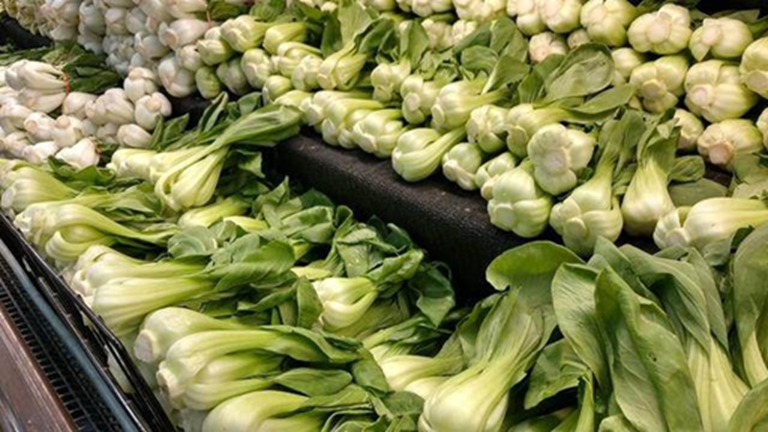
Vegetables like mustard greens, lettuce, and spinach have fast-growing roots that readily absorb metals from soil or irrigation water. If farms use pesticides or fertilizers containing heavy metals, the risk becomes even higher.
– Rice:
Incidents of “cadmium-contaminated rice” have sparked warnings in many places. Rice roots grow underwater, making them more likely to absorb cadmium compared to other grains when the water source is polluted.
Heavy Metals Don’t Cause Immediate Poisoning — But Accumulation Makes Them Dangerous
The frightening part is that the body does not eliminate heavy metals quickly. They build up silently for months or years.
-
Lead: Damages the nervous system, reduces memory, and affects child development.
-
Cadmium: Harms the kidneys, causes osteoporosis, and increases the risk of kidney cancer.
-
Mercury: Dangerous for fetuses and the nervous system.
-
Arsenic: Linked to cancers of the liver and bladder and can cause skin changes.
Three Ways to Reduce Risk While Still Eating Safely
1. Choose the right food sources:
-
Prioritize products with safety certification or from trusted suppliers.
-
Avoid cheap seafood or organs from questionable sources.
-
Don’t eat one type of food too frequently.
-
Avoid parts that commonly accumulate high levels of metals, such as fish heads, fish liver, dark-colored organs.
2. Wash foods properly:
-
Soak vegetables for 15–30 minutes, then rinse under running water; you may add a little salt, vinegar, or baking soda.
-
For shellfish, remove the black membrane and internal organs.
-
Rinse rice 2–3 times — avoid over-washing to prevent nutrient loss.
3. Cook foods correctly to reduce metals:
-
Blanch vegetables or organs in boiling water for 1–2 minutes, then discard the water.
-
Avoid cooking acidic foods in aluminum pots to prevent metal leaching.
-
Avoid overly high temperatures in grilling or frying, which can make metals harder to break down.
Heavy metals cannot be seen, smelled, or tasted — yet they can affect your health for a lifetime. Understanding the risks, choosing carefully, and cooking wisely are the simplest protections for your family’s meals.