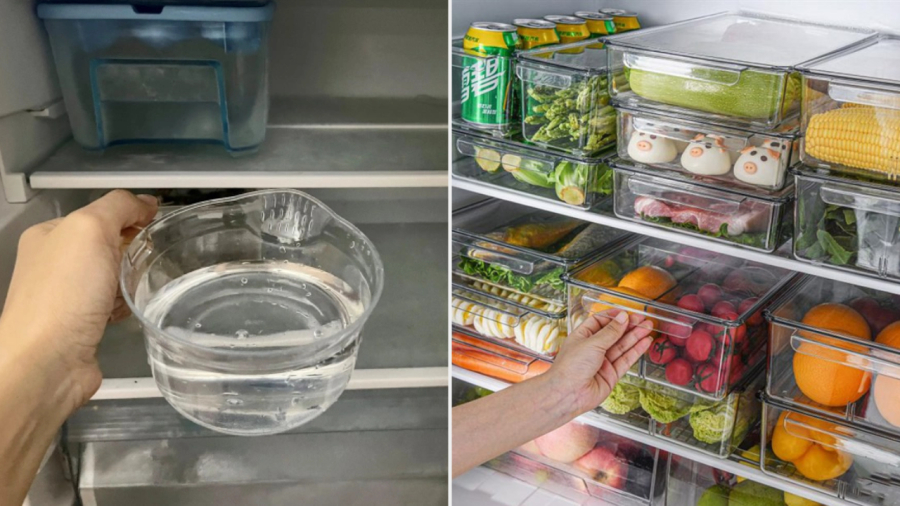
Many households are looking for practical ways to cut electricity bills without sacrificing convenience. Surprisingly, one of the most effective energy-saving techniques for your refrigerator is also one of the simplest. It doesn’t involve buying new appliances or expensive gadgets—just a bowl of water and a bit of consistency.
This method works like this: each night before going to bed, place a bowl, tray, or cup of water into the freezer compartment and leave it there overnight. By morning, the water will have frozen solid. Then, move the frozen block of ice into the refrigerator’s fresh-food compartment, and replace it with a new bowl of water in the freezer. Repeat the cycle daily.
While this may sound too easy to make a difference, experts say the science behind it is surprisingly effective.
Why This Method Works
1. Refrigerators Work Less at Night
During nighttime hours, refrigerators are opened far less frequently. Because warm air isn’t constantly entering, the appliance doesn’t need to run as often to maintain its temperature. Freezing a bowl of water during this time allows the refrigerator to use its cooling power more efficiently, reducing energy waste.
2. Ice Acts as a Passive Cooling Source
When you transfer the frozen bowl from the freezer to the fresh compartment, it acts like a cooling battery.
As the ice melts:
-
It absorbs heat inside the refrigerator.
-
It releases cold air slowly and evenly, helping the appliance reach and maintain the set temperature with minimal effort.
-
The refrigerator’s compressor doesn’t need to work as hard, which saves electricity.
3. Ice Adds Humidity to Keep Produce Fresher
As the ice melts over several hours, it increases the moisture level inside the fridge. This added humidity helps:
-
Keep vegetables crisp
-
Slow down dehydration of fruits
-
Preserve nutrients
-
Prevent wilting or shriveling
This natural moisture is especially beneficial in dry climates or during seasons when refrigerators tend to dry out food more quickly.
Additional Expert Tips to Extend Refrigerator Life and Reduce Energy Consumption
While the ice-bowl technique is helpful, combining it with proper refrigerator maintenance can significantly enhance energy efficiency.
1. Place the Refrigerator in a Cool, Well-Ventilated Spot
Where you position your fridge matters more than most people realize.
-
Keep it at least 15–20 cm away from the wall to allow heat to escape.
-
Avoid direct sunlight, ovens, stoves, or dishwashers.
-
Good airflow around the condenser coils helps the fridge run smoothly and prevents overheating.
2. Inspect the Door Gaskets Regularly
Door seals must be airtight for the fridge to maintain temperature efficiently.
Signs of damaged gaskets include:
-
Condensation around the door
-
Cold air leaking out
-
Food spoiling faster
A simple test: close a piece of paper in the door—if it slides out easily, the gasket needs repair or replacement.
3. Limit Unnecessary Door Opening
Each time the refrigerator door is opened:
-
Cold air escapes
-
Warm, humid air rushes inside
-
The compressor must work harder to restore the temperature
Try planning ahead when grabbing ingredients or organizing your fridge for easier access.
4. Clean the Condenser Coils
Dusty coils force the fridge to use more power.
Clean them every 6 months using:
-
A vacuum cleaner
-
A soft brush
-
A dry cloth
This simple habit can significantly extend the appliance’s lifespan.
5. Set the Correct Temperature
Many people set their refrigerators colder than necessary.
Ideal settings:
-
Fridge compartment: 3–4°C (37–40°F)
-
Freezer: –18°C (0°F)
Lower temperatures don’t make food safer—they only consume more energy.
6. Wrap and Store Food Properly
Excess moisture from unsealed food forces the fridge to remove humidity, which increases electricity usage.
Use:
-
Airtight containers
-
Zip-seal bags
-
Beeswax wraps
Covered food also prevents strong odors from spreading.
7. Avoid Storing Hot Food Immediately
Putting hot food into the refrigerator raises the internal temperature dramatically and forces the compressor to run continuously until it cools down again.
Let food cool to room temperature first.
8. Do Not Overload the Refrigerator
A packed fridge disrupts airflow and increases power consumption.
Optimal storage:
-
Leave space between items
-
Avoid blocking vents
-
Organize shelves for proper circulation
Balanced loading ensures even cooling and better food preservation.
What to Consider When Purchasing a New Refrigerator
If you’re planning to buy a refrigerator, the following factors impact long-term energy savings:
1. Energy Efficiency Rating
Look for models with high energy-saving certifications. Although they may cost more upfront, they save significantly more over the years.
2. Size and Capacity
Choose a refrigerator that matches your household size.
-
Too large = unnecessary energy waste.
-
Too small = frequent overloading and poor cooling.
3. Multi-Door Designs
Refrigerators with separate compartments minimize cold-air loss because you only open the section you need.
4. Inverter Compressor Technology
Inverter refrigerators adjust compressor power based on cooling demand.
Benefits include:
-
25–30% energy savings
-
Less noise
-
Longer lifespan
-
Environmentally friendly refrigerants like R600a
Conclusion
Refrigerators run 24 hours a day, making them one of the most energy-consuming appliances in the home. However, by adopting smart habits - like the simple nightly ice-bowl trick - and following proper maintenance guidelines, you can significantly reduce power usage, lower your electricity bill, and extend your refrigerator’s lifespan.
Small steps truly add up, and with mindful practice, your refrigerator can operate efficiently for many years to come.