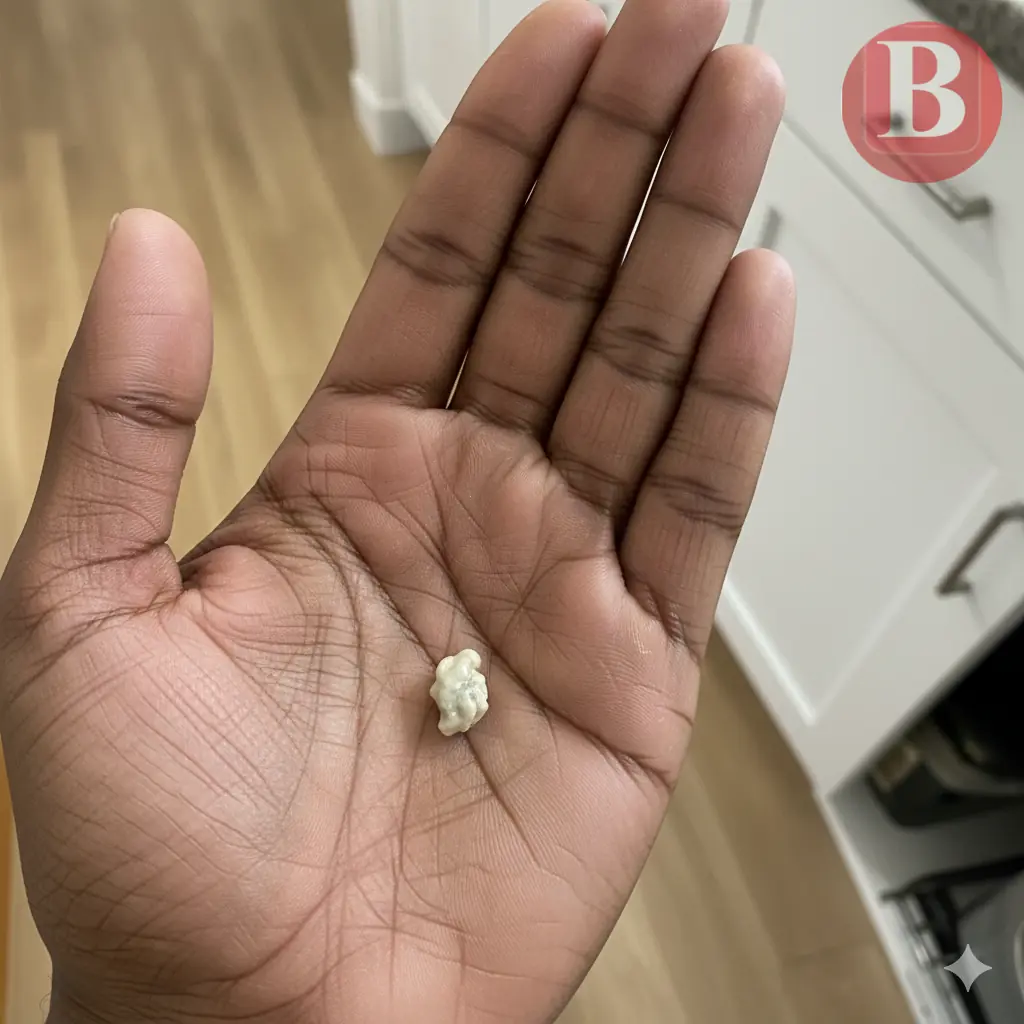
If you struggle with bad breath, maybe you should check your tonsils and see if there are any white or yellow spots that on them.
Tonsil stones, also known as tonsilloliths, are made of bits of food, bacteria, or minerals such as calcium which get stuck in the folds and gaps of the tonsils. These stones or lumps have a cheese-like structure.
Except for bad breath and sometimes discomfort in the throat, these stones cause minimal symptoms.
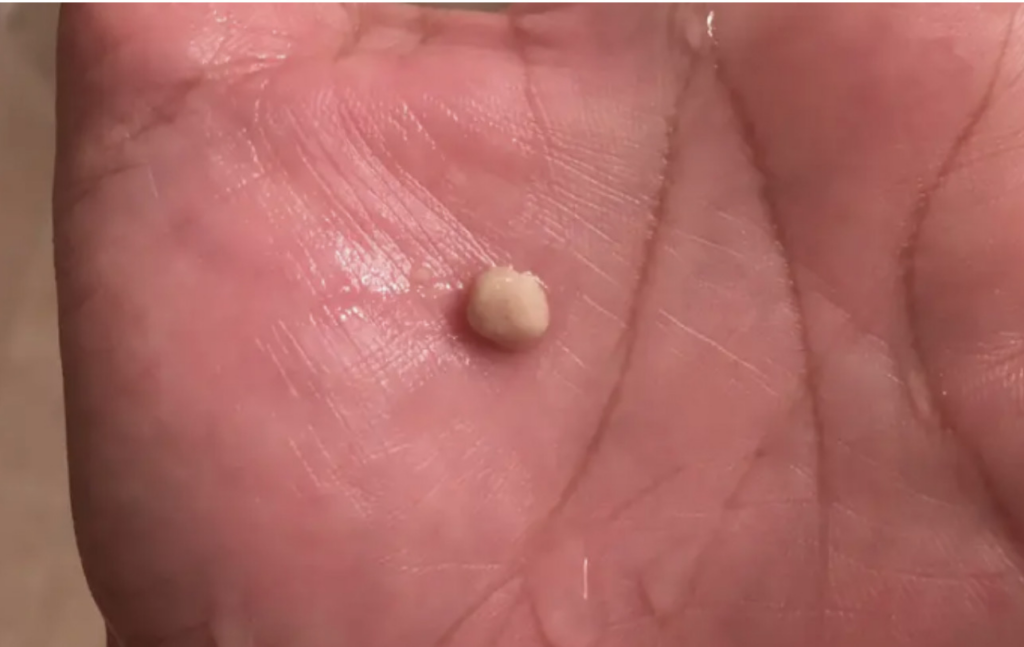
According to research, around 10% of all people experience tonsil stones at some point in their life, but sometimes, they tend to disappear on their won.
Other symptoms of tonsils stones might be:
- Sore throat or difficulty swallowing
- Metallic taste in the mouth
- Swollen tonsils
- Ear pain or pressure
- Persistent coughing
- Tonsil infections
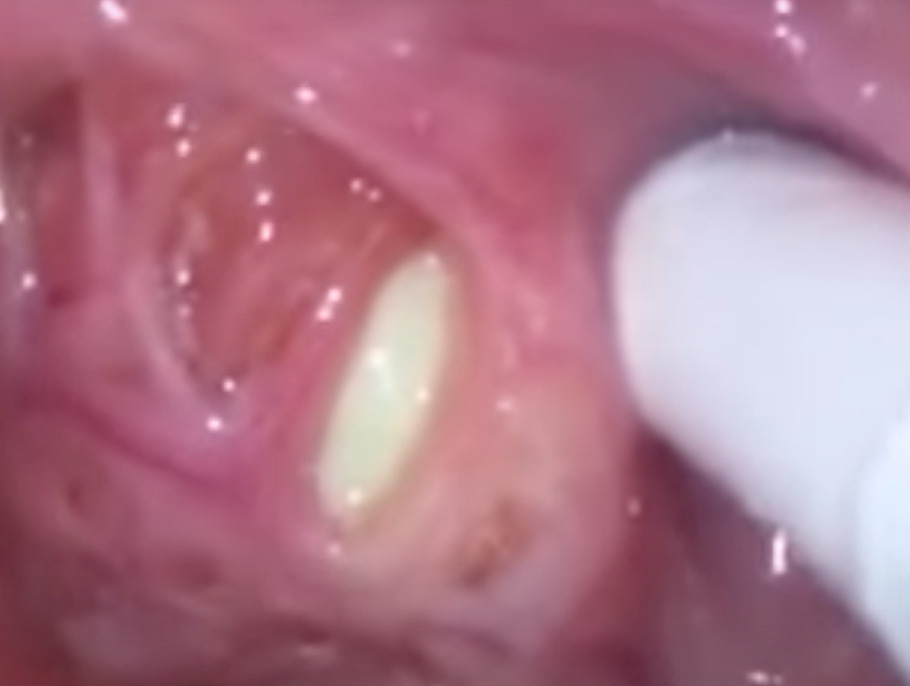
Since they are easily visible, no special tests are needed to confirm the diagnosis of tonsil stones. Sometimes, they can be discovered coincidentally when a person gets an X-ray or scans because of other reasons
Diagnosing tonsil stones usually involves a simple physical examination of your throat and a review of your medical history.
So, what are some of the available options that can help you get rid of tonsil stones:
-
Self-removal: Gently remove the stones at home using a cotton swab or by gargling with saltwater. Avoid sharp or pointy objects.
-
Medicated gargles: Use antimicrobial mouthwashes to reduce bacteria and prevent new stones.
-
Oral irrigators: Flush out tonsil crypts to remove trapped debris.
-
Surgical removal: In severe or recurrent cases, your doctor may recommend a tonsillectomy.
-
Drinking carbonated beverages: Helps loosen the structure of the stones so they can come out naturally.
-
Coughing: May help dislodge and release the stones.
Some of the ways to prevent tonsil stones are the following:
- Regular gargling with a salt-water rinse
- Maintaining good oral hygiene
- Managing any allergies causing increased nasal mucus
- Brushing or scraping your tongue regularly
Although tonsil stones are often harmless and can be treated at home, it’s always for the best to seek medical advice. Of course, don’t forget to follow good oral hygiene practices and take preventive measures.