The hallway light flickered as she paused with the grocery bags still in her arms. She was tired from work, ready to collapse, ready to enjoy a quiet evening the way she always did. But as she reached for the keys, she noticed something that made her stop. The front door to her apartment was already unlocked.
It wasn’t like her to forget. She worked in routines, held herself together with small habits she could rely on. Her hand trembled slightly as she pushed the door open.
Inside, voices echoed—sharp, heated, and startlingly familiar.
She stepped into the living room and watched her mother-in-law shove clothes into a garbage bag with vicious, practiced movements, as though she had been preparing for this moment for years. The older woman didn’t even turn around before shouting the words that snapped the air in half.
“Pack your junk and get out of here!”
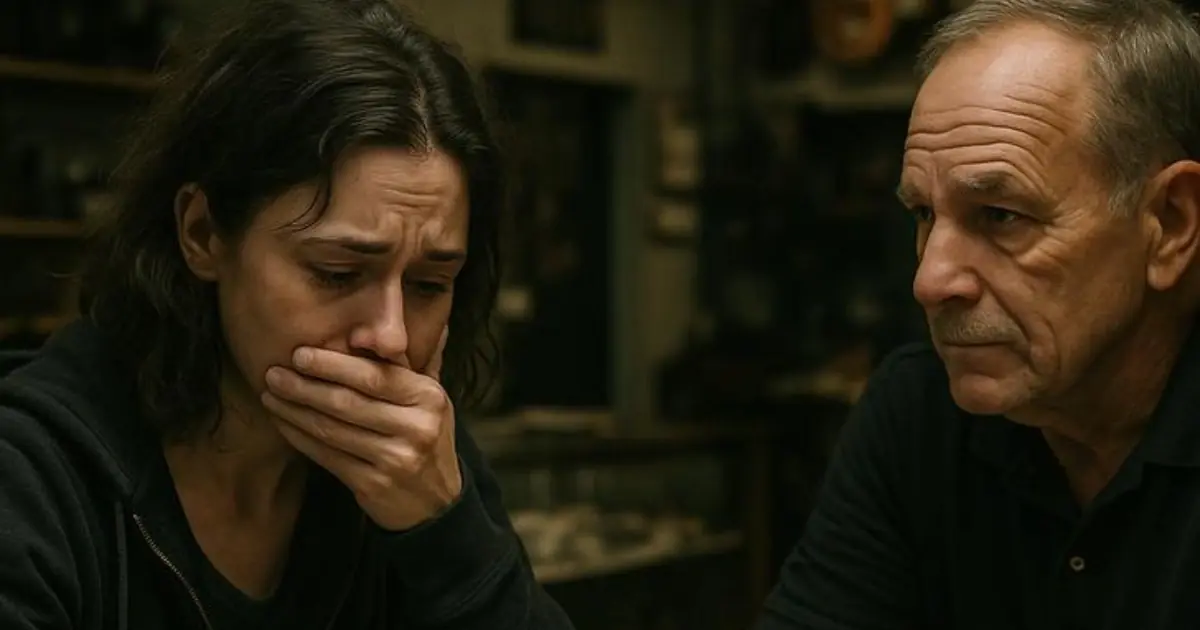
For a second, she couldn’t speak. She stood frozen, like she had accidentally stepped into a nightmare she was not meant to witness. Then she finally managed, “What… what are you doing in my apartment?”
Her mother-in-law straightened, eyes blazing. “Our apartment. My son bought it. Not you. And now you’re leaving.”
She wanted to laugh, but the sound wouldn’t come. She paid half the mortgage. She furnished the place. She cleaned it, cooked here, cried here, built a future here. But now she watched as her life was shoved into cheap plastic bags.
She set the grocery bags down carefully, as if they might break.
She looked around the room—at the framed pictures, at the curtains she ironed every two weeks, at the couch they had chosen together. Now her mother-in-law was pulling the cushions apart as if hoping to find more of her belongings to throw away.
“Where is he?” she asked quietly. “Where is your son?”
“Busy,” the older woman snapped. “Too busy to live with someone who doesn’t deserve him.”
The words landed like stones. Even now, she tried to speak calmly. “You can’t just enter my home and—”
“I have keys. And the right.” She tossed another armful of clothes into the bag. “If you had done your job as a wife, this wouldn’t be happening.”
Her throat tightened. She wanted to defend herself. She wanted to scream. But she only whispered, “What job?”
The mother-in-law smirked. “Keeping him happy.”
Her phone vibrated. His name lit up the screen. For a moment she felt a dizzy rush of relief—he would fix this, he would explain everything, this was just a misunderstanding.
But when she answered, his voice was cold.
“Mom told you, right? You need to leave.”
She felt her legs weaken. “This is my apartment. We agreed—”
“I don’t want to argue,” he said sharply. “Just pack your things. Mom will help with the rest.”
She didn’t even recognize him anymore. This wasn’t the man who used to make coffee for her before work, who used to laugh so easily, who used to touch her hand gently just because he could. That man was gone, replaced with someone she no longer understood.
“Why?” she asked.
He inhaled, impatient. “I don’t want to talk. Just do it.”
The call ended.
She stared at the black screen while her mother-in-law continued her destruction like a storm sweeping through the room.
She picked up the grocery bags again—not because she needed them, but because she needed to hold something steady. She carried them into the kitchen, placed them on the counter, and pressed her palms against the surface until she felt her heartbeat slow.
She had two choices: fight or flee. But she had been fighting for this marriage for so long that she no longer remembered what winning felt like.
Her mother-in-law stomped into the kitchen. “Didn’t you hear him? I said get out.”
She looked up, suddenly calm. There was a strange power in feeling nothing. “You’re in my home. I’m not going anywhere.”
The older woman scoffed. “You’re pathetic. My son is done with you.”
“That’s unfortunate,” she answered softly, “because he’s about to be even more done when the police arrive.”
The mother-in-law froze. “Police?”
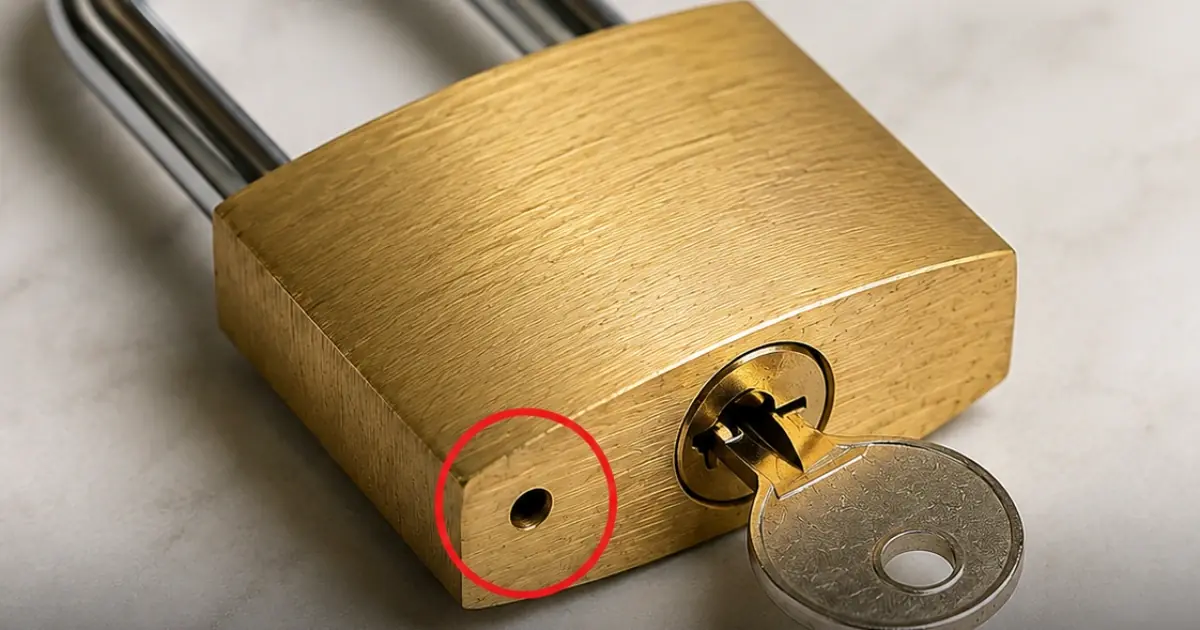
“You broke in,” she said, pointing to the damaged lock. “You touched my belongings. And unless he can magically prove that I don’t co-own this apartment, you have no right to put a single finger on anything in here.”
The older woman’s mouth twitched, her confidence faltering for the first time.
She didn’t call the police. Not yet. But the threat was enough for the older woman to retreat to the living room, muttering curses under her breath. She grabbed her phone and typed quickly, knowing that her husband would read the message sooner or later.
“We need to talk. I’m not leaving my home. If you want me gone, we’ll settle it legally.”
She didn’t expect a response, and she didn’t get one.
She began packing—not because she was leaving, but because she needed to take back control of what was hers. She folded her clothes neatly, placed them into boxes, labeled them. Her movements were quiet and deliberate, the opposite of the chaotic destruction her mother-in-law had brought.
Hours passed. Eventually, the older woman left, slamming the door hard enough to rattle the frame. Silence returned, heavy but strangely peaceful.
She sat down on the couch, surrounded by half-packed boxes. For the first time since arriving home, she breathed deeply.
The next morning, she woke up early, made coffee, and opened her laptop. She emailed the building management. She called the mortgage company. She dug up receipts, contracts, transfers—every document proving her legal stake in the apartment.
By noon, her husband finally appeared at the door, looking irritated and half-asleep.
“Why did you tell me you’d call the police on my mother?” he demanded.
She didn’t raise her voice. “Because she broke into my home and tried to evict me. And because you allowed it.”
He rolled his eyes. “Don’t be dramatic.”
She placed the mortgage documents on the table. “Sit down.”
He didn’t expect that tone. Slowly, he sat.
She pointed to her name listed beside his on every financial record. “If you want to leave this marriage, fine. But you won’t throw me out of my own home. We either sell it and split it legally, or I stay here until courts decide otherwise.”
He blinked, stunned. For once, he had no snappy reply.
“You can’t just…” he began weakly.
“I can,” she said. “And I will.”
The marriage ended quietly a few weeks later. There were no dramatic fights, no more shouting. Just paperwork, signatures, and the slow unraveling of something that had already died long before the eviction attempt.
She stayed in the apartment.
Her ex-husband and his mother moved to another city. Rumor said they were arguing constantly—apparently, the mother-in-law’s interference extended into every corner of his life.
But she didn’t care anymore.
She repainted the walls. Bought new curtains. Hung new photos. Rearranged the furniture to claim the space all over again.
Sometimes she would stand in the middle of the living room, remembering the night her mother-in-law tried to throw her out. Those words—“Pack your junk and get out of here!”—had once sounded like a threat.
Now they felt like the beginning.
She had lost a husband.
But she had gained her freedom.
And her home.
A home she would never again allow anyone—not even the past—to take from her.