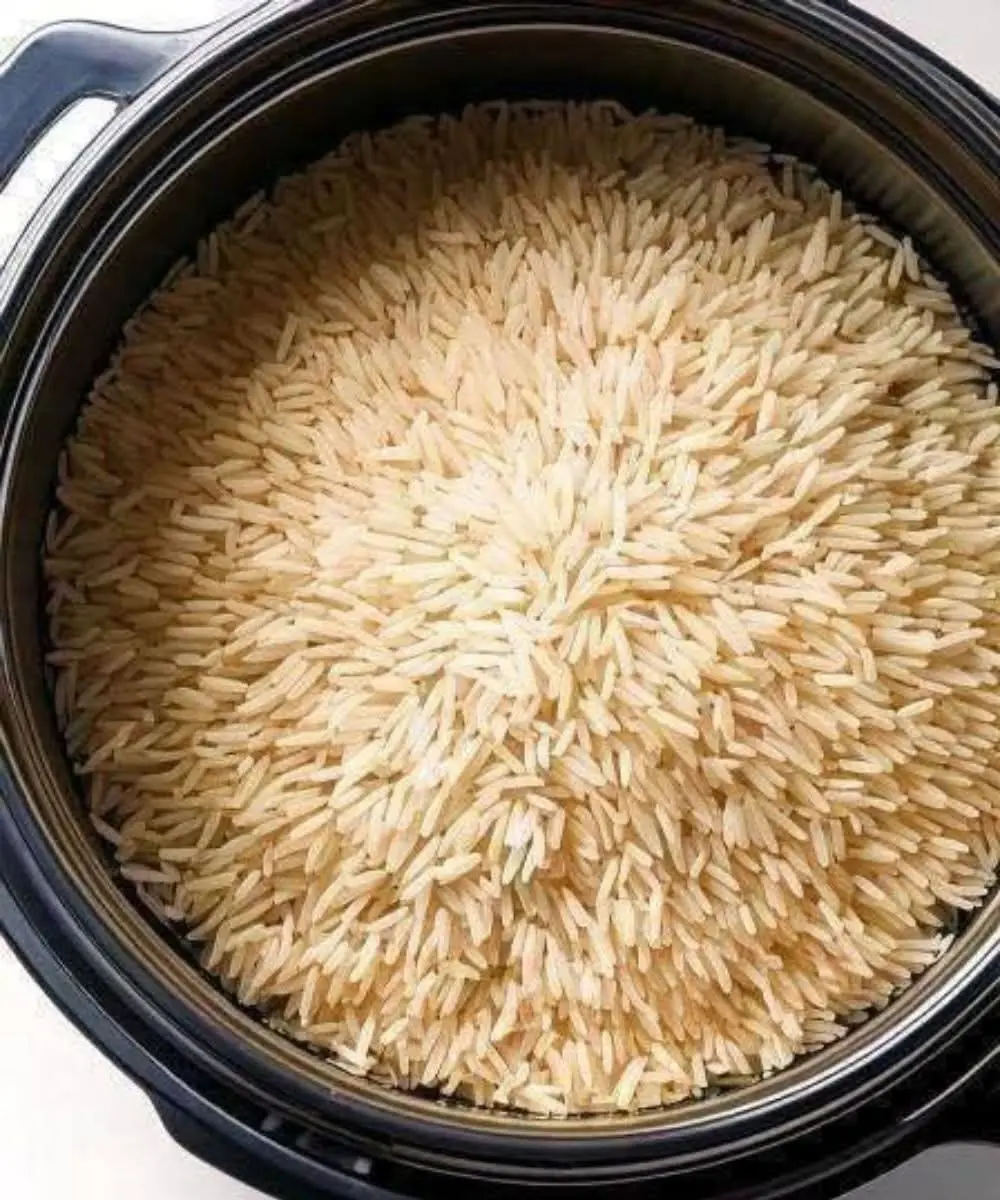
🌾 RICE: NUTRITIOUS BUT EASY TO OVEREAT
-
Rice is rich in gut-friendly fiber, complex carbs, and B vitamins.
-
The fiber in brown and wild rice supports digestion by helping beneficial bacteria thrive.
-
Rice is versatile, pairs well with vegetables and proteins, and is a cultural staple for billions worldwide.
-
However, like bread and pasta, rice is often criticized by low-carb followers—leading many to overlook its benefits.
-
But eating too much rice can negatively affect your health.
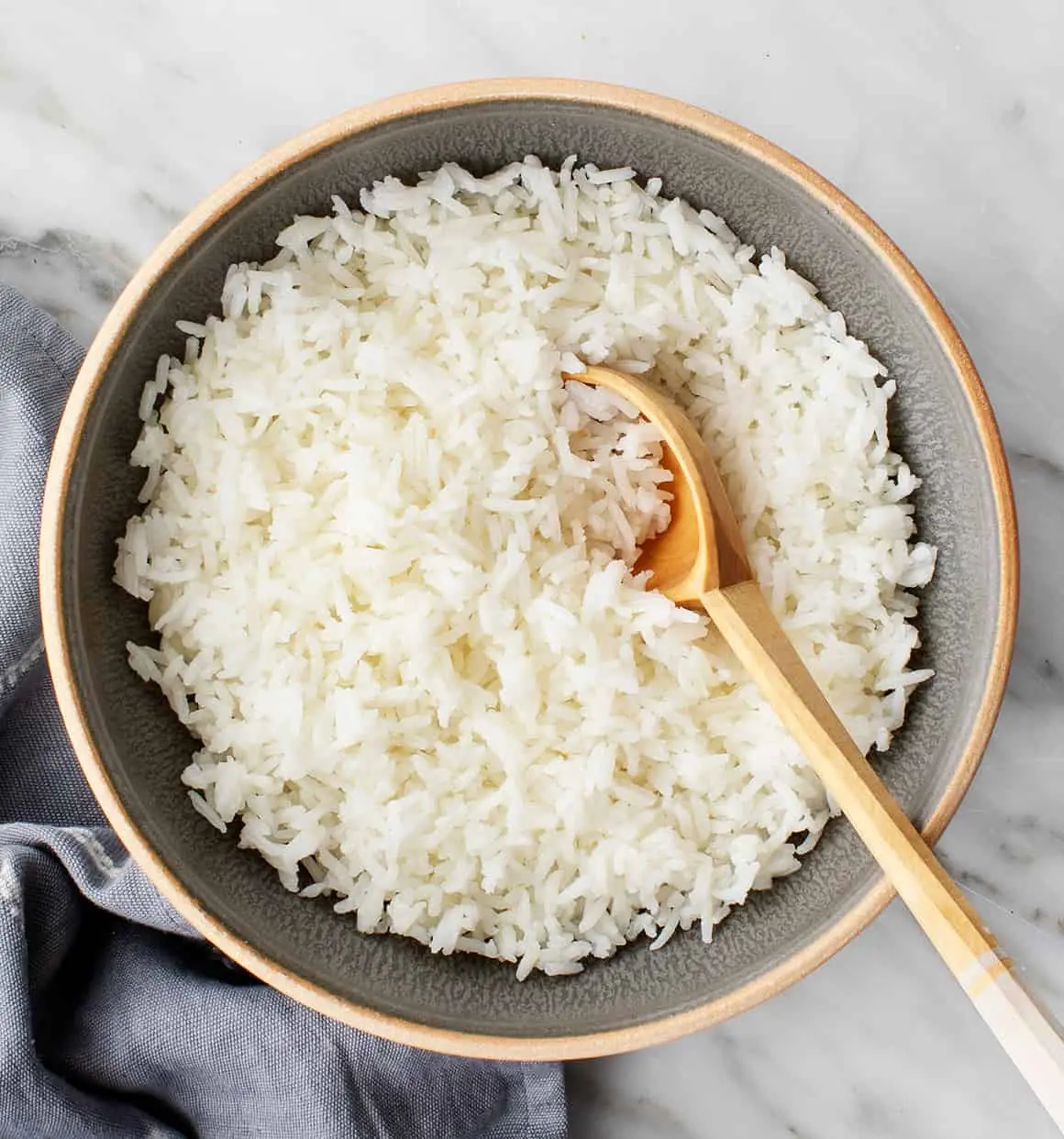
⚠️ RISK OF TYPE 2 DIABETES & HEART DISEASE
-
Eating large amounts of white rice without enough protein, vegetables, or fiber can spike blood sugar.
-
A Harvard study found people eating 3–4 servings daily were 1.5× more likely to develop type 2 diabetes.
-
Every additional large bowl increased the risk by 10%.
-
The effect was stronger in Asian populations due to higher rice consumption.
-
Researchers recommend switching to whole grains to reduce this risk.
⚠️ WEIGHT GAIN & BELLY FAT
-
White rice digests quickly, causing hunger to return soon after eating.
-
Overeating it daily can add excess calories and contribute to weight gain.
-
A Nature Medicine study showed diets high in refined carbs (like white rice) and low in protein increased obesity risk by 1.2×.
⚠️ ARSENIC IN RICE — A LESSER-KNOWN DANGER
-
Rice naturally absorbs arsenic from soil and water; brown rice has higher levels than white rice.
-
Overconsumption—especially from contaminated areas—can raise arsenic exposure.
-
A Michigan State University study found brown rice contained 40% more arsenic than white rice, including the more toxic inorganic form.
-
This is especially concerning for children who eat rice frequently.
-
Choosing other grains or using proper cooking methods can lower risk.
✅ HOW TO CONSUME RICE THE HEALTHY WAY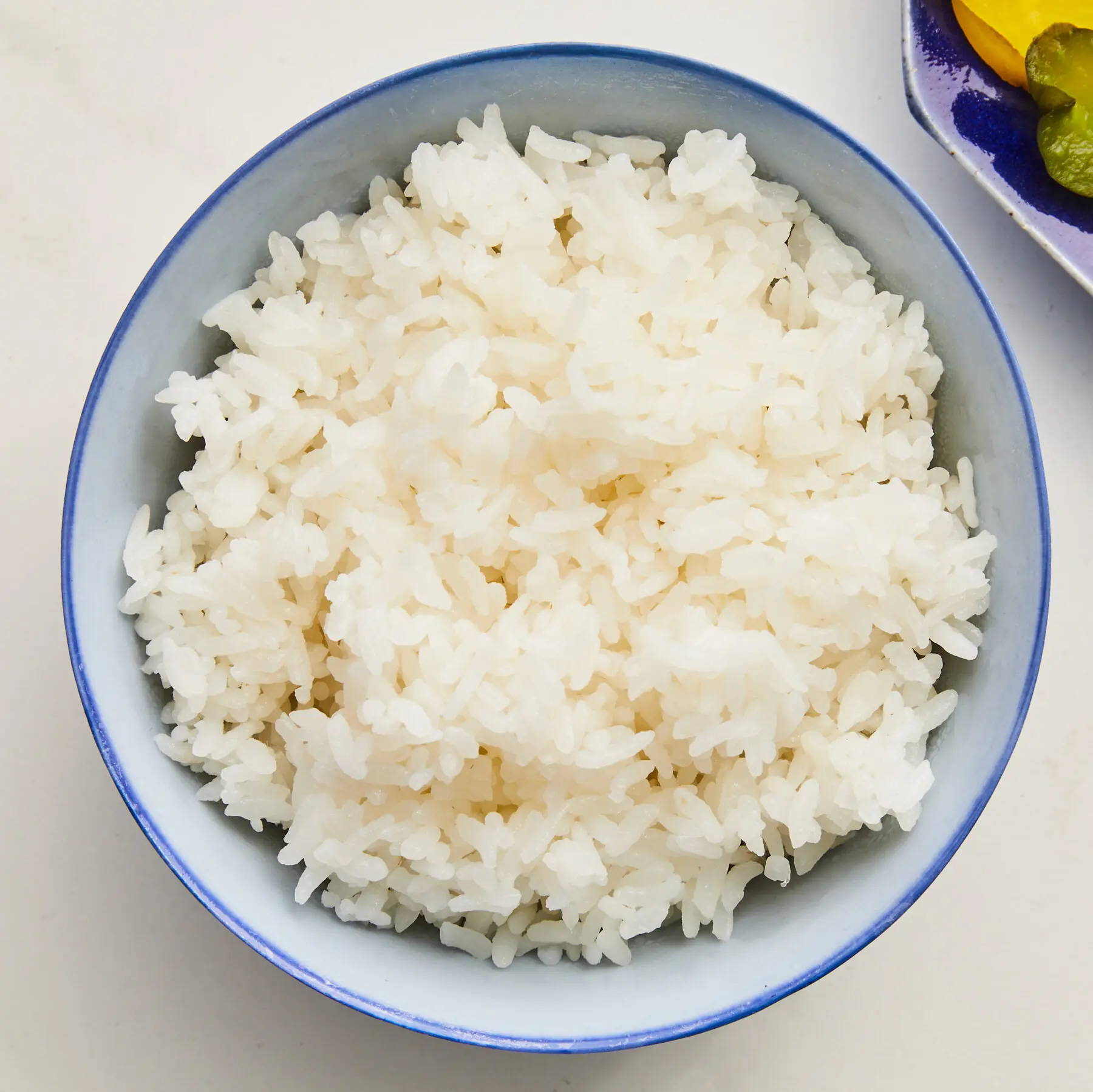
-
Mind your portions: Limit cooked rice to 1 cup per meal.
-
Add balance: Combine rice with vegetables, lean protein, and healthy fats to slow sugar spikes.
-
Select wisely: Choose brown rice, red rice, or quinoa for more fiber and nutrients.
-
Avoid fried rice: Oils, butter, and sauces increase unnecessary calories.